When it comes to conveying micro sand powder, selecting the right method is crucial for ensuring efficiency, safety, and cost-effectiveness. Two primary options exist: positive pressure conveying and negative pressure conveying. Understanding the differences and how to choose between them is essential for optimizing material handling processes. This article will explore the key factors to consider when deciding between these two approaches, providing insights into their applications and characteristics.
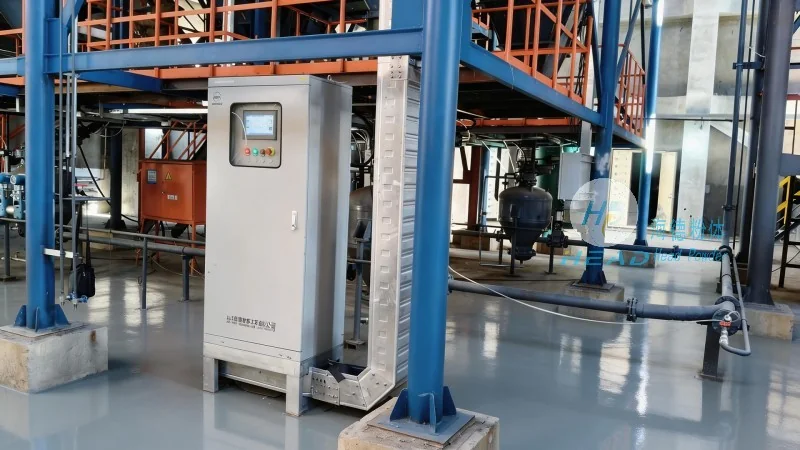
Understanding the Basics of Micro Sand Powder Conveying
Micro sand powder, often used in construction, refractory materials, and other industrial applications, presents unique challenges during transportation due to its fine particle size and potential for dust generation. The choice of conveying system directly impacts the overall performance and operational costs. Positive pressure conveying and negative pressure conveying are two distinct methods that cater to different operational needs and environmental considerations.
Positive Pressure Conveying: Advantages and Applications
Positive pressure conveying systems operate by forcing air or gas through the material, creating a pressure higher than the surrounding environment. This method is particularly effective for transporting materials over longer distances or through complex piping networks. The primary advantages of positive pressure systems include high conveying capacity, consistent flow rates, and the ability to handle abrasive or sticky powders. These systems are often preferred in applications where dust containment is critical, as the pressurized environment helps prevent leakage and exposure to airborne particles.
For micro sand powder, positive pressure conveying can be advantageous when dealing with large volumes or when the material needs to be transported to multiple destinations. The system’s ability to maintain a stable pressure ensures that the powder moves smoothly through the pipeline, reducing the risk of blockages or clogging. Additionally, positive pressure systems are generally more reliable in environments with high humidity or temperature fluctuations, as the pressurized air helps maintain the material’s properties.
Negative Pressure Conveying: Benefits and Use Cases
Negative pressure conveying, also known as suction conveying, works by creating a vacuum in the system, drawing the material into the pipeline. This method is ideal for short-distance conveying or when the material needs to be collected from multiple points. The key benefits of negative pressure systems include lower energy consumption, reduced noise levels, and the ability to handle materials that are sensitive to pressure changes. Negative pressure conveying is often used in applications where the material is light and easily entrained by air, such as fine powders or granules.
When it comes to micro sand powder, negative pressure conveying may be suitable for smaller-scale operations or when the material is being transferred from a storage silo to a processing unit. The system’s lower energy requirements make it a cost-effective option for short runs. However, it is important to note that negative pressure systems are more susceptible to clogging and require careful maintenance to prevent dust accumulation and system failure.
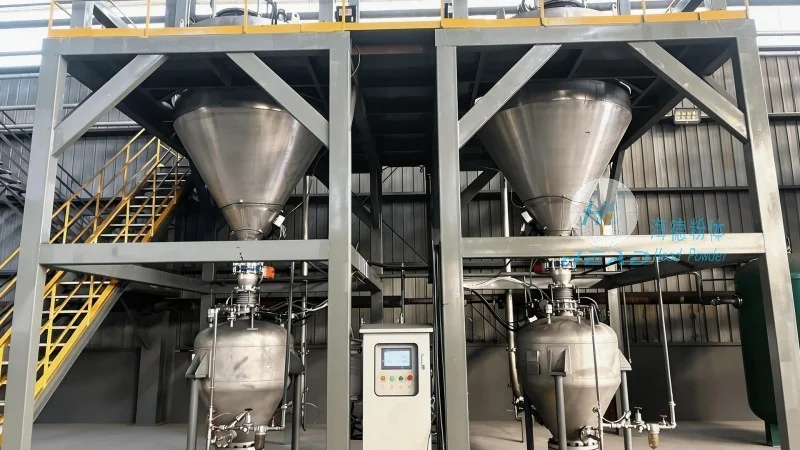
Distinguishing Between Positive and Negative Pressure Conveying
Choosing between positive and negative pressure conveying for micro sand powder depends on several factors, including the material characteristics, conveying distance, and operational requirements. Here are some key criteria to help make an informed decision:
Conveying Distance and Complexity: Positive pressure systems are better suited for longer distances or complex piping layouts, as they maintain consistent pressure and flow. Negative pressure systems are more appropriate for shorter distances or simple, straight-line transfers.
Material Properties: If the micro sand powder is abrasive or has a tendency to stick to surfaces, positive pressure conveying may provide better control and prevent material buildup. For lighter, more delicate powders, negative pressure systems can be more gentle and less likely to cause degradation.
Environmental Considerations: Positive pressure systems excel in environments where dust containment is a priority, as the pressurized air helps seal the system and prevent leaks. Negative pressure systems, while quieter, may require additional filtration to manage dust emissions.
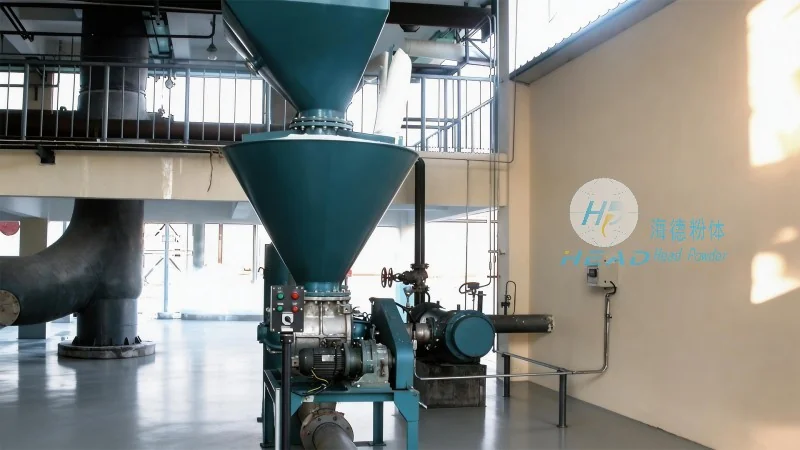
Energy Efficiency: Negative pressure systems generally consume less energy, making them more cost-effective for short-distance applications. Positive pressure systems may require more power, especially for long-distance or high-capacity operations.
Key Considerations for Implementing Micro Sand Powder Conveying Systems
Regardless of the chosen method, proper system design and maintenance are critical for optimal performance. For positive pressure systems, regular checks on air filters, pressure regulators, and pipeline integrity are essential to prevent dust leakage and ensure consistent flow. Negative pressure systems require diligent monitoring of vacuum levels and filtration systems to avoid clogging and maintain suction efficiency.
Additionally, the choice of equipment, such as rotary valves, airlocks, and cyclones, plays a significant role in the overall effectiveness of the conveying system. High-quality components, designed specifically for handling fine powders like micro sand, can enhance system reliability and reduce downtime.
Conclusion: Making the Right Choice for Micro Sand Powder Conveying
Choosing between positive pressure and negative pressure conveying for micro sand powder requires a careful evaluation of operational needs, material characteristics, and environmental factors. Positive pressure systems offer robustness and high capacity, making them suitable for demanding applications. Negative pressure systems, with their lower energy consumption and gentler handling, may be ideal for smaller-scale or more delicate operations. By understanding the distinct advantages and limitations of each method, businesses can select the most appropriate conveying solution to enhance efficiency and safety in their material handling processes.
Shandong HeadPowder Engineering Co., Ltd. specializes in providing tailored conveying solutions for micro sand powder and other fine materials. With years of experience in the industry, HeadPowder offers expert guidance and high-quality equipment to meet the unique needs of each client. Based in Shandong, China, HeadPowder is committed to delivering reliable and efficient conveying systems that optimize performance and reduce operational costs.




