Mineral sand powder pneumatic conveying is a crucial technology in the processing and transportation of fine particulate materials, such as mineral sands. This method involves the use of a gas stream, typically air or other gases, to transport solid particles through a pipeline system. The process is widely adopted in industries like mining, chemical processing, and material handling due to its efficiency and ability to handle a variety of particle sizes and characteristics.
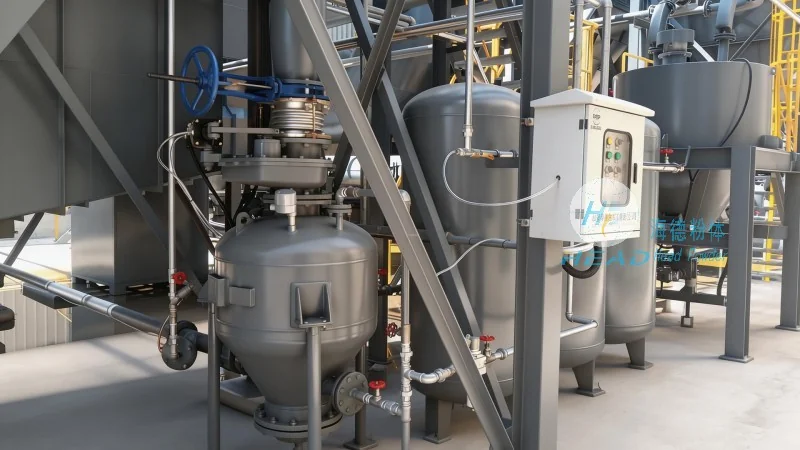
Key Components of Pneumatic Conveying Systems
A typical pneumatic conveying system consists of several key components that work in tandem to ensure effective material transport. These include a material feeder, a conveying line (pipeline), a gas source (usually a blower or compressor), and a control system. The material feeder is responsible for introducing the mineral sand powder into the system at a controlled rate, while the gas source provides the necessary pressure and flow to move the particles through the pipeline. The conveying line, often made of metal or plastic, is designed to withstand the pressure and abrasion from the particles. The control system monitors and adjusts the flow of both material and gas to maintain optimal operation.
Operation Process of Mineral Sand Powder Pneumatic Conveying
The operation process of mineral sand powder pneumatic conveying can be broken down into several stages. First, the mineral sand powder is fed into the system via the material feeder. The feeder ensures a consistent and controlled flow of material, preventing blockages or uneven distribution. Next, the gas source, such as a positive displacement blower or a rotary lobe compressor, generates the necessary air pressure and flow rate. This gas is then introduced into the conveying line, where it picks up the mineral sand particles and transports them to the destination point. The conveying line may include various components like bends, expansion joints, and filters to ensure smooth and efficient transport. Finally, the material is discharged at the receiving end, and the system returns to the initial state, ready for the next cycle.
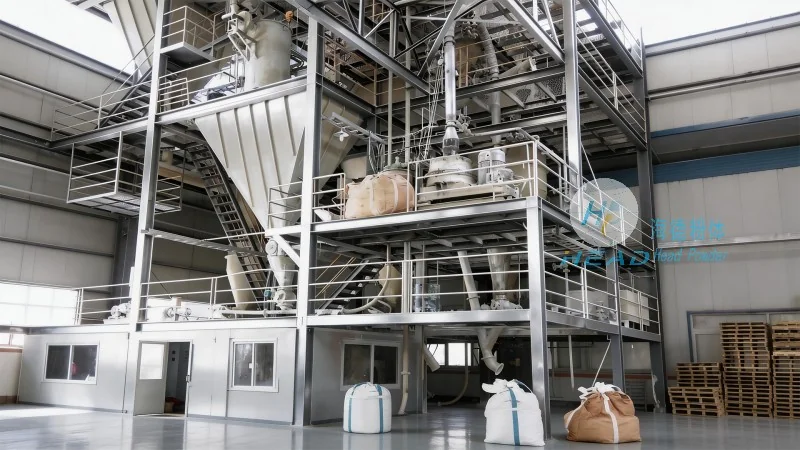
Working Principle of Pneumatic Conveying
The working principle of mineral sand powder pneumatic conveying is based on the interaction between the gas stream and the solid particles. When the gas is introduced into the pipeline, it creates a flow that can entrain the particles, lifting them from the feeder and moving them through the system. The velocity of the gas and the particle size, density, and shape determine the efficiency of the conveying process. In positive pressure systems, the gas pressure is higher than the ambient pressure, pushing the particles forward. In negative pressure (or vacuum) systems, the gas is drawn from the pipeline, creating a suction that pulls the particles along. The choice between positive and negative pressure depends on the application, material characteristics, and system design. The system must maintain sufficient velocity to prevent particle settling or deposition, which could lead to blockages or reduced efficiency.
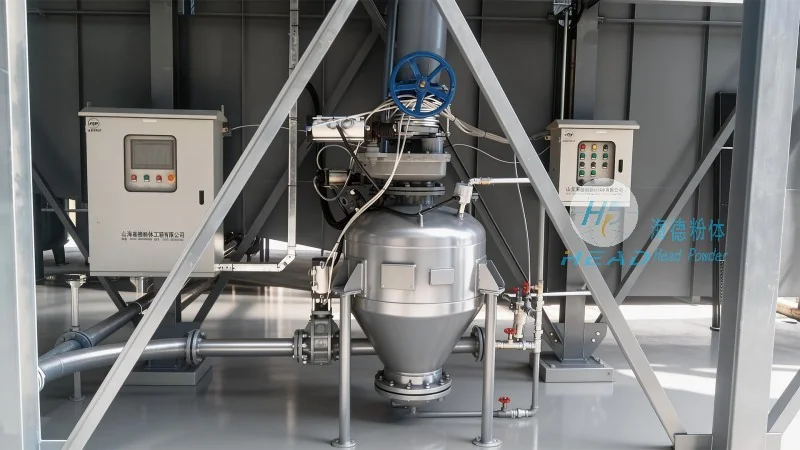
Applications and Benefits in Mineral Processing
Mineral sand powder pneumatic conveying is widely used in the mineral processing industry for various applications. It is commonly employed in the transport of sand, silica, and other fine particulate materials from processing plants to storage facilities or for further processing steps. The technology offers several benefits, including the ability to handle abrasive materials without causing significant wear on equipment, the reduction of dust emissions compared to traditional methods like bucket elevators or belt conveyors, and the flexibility to transport materials over long distances or through complex layouts. Additionally, pneumatic conveying systems can be designed to handle a wide range of particle sizes, from fine powders to coarse sand, making them suitable for diverse mineral processing operations.
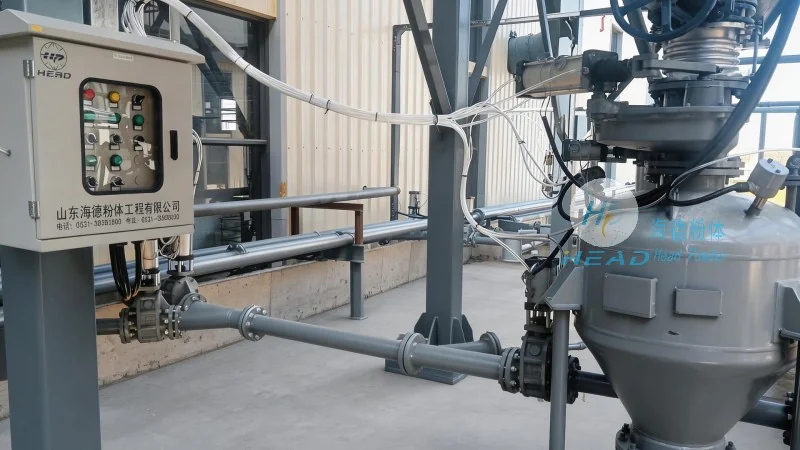
Technological Advancements and Efficiency
Over the years, technological advancements have improved the efficiency and reliability of mineral sand powder pneumatic conveying systems. Modern systems often incorporate advanced control systems that use sensors to monitor pressure, flow, and material levels, allowing for real-time adjustments and optimization. Materials science has also contributed to the development of more durable and corrosion-resistant pipeline materials, such as stainless steel or high-density polyethylene, which can withstand the abrasive nature of mineral sands. Additionally, the use of energy-efficient gas sources and optimized system designs has reduced operational costs and environmental impact. These advancements have made pneumatic conveying an increasingly popular choice for mineral processing facilities seeking to enhance their material handling capabilities.
About Shandong HeadPowder Engineering Co., Ltd.
Shandong HeadPowder Engineering Co., Ltd., commonly known as HeadPowder, is a leading provider of pneumatic conveying solutions for the mineral processing industry. With a strong focus on innovation and customer satisfaction, HeadPowder specializes in designing, manufacturing, and installing customized pneumatic conveying systems tailored to the specific needs of its clients. The company's expertise lies in understanding the unique challenges of mineral sand processing and developing efficient solutions that enhance operational efficiency and reduce costs. HeadPowder's team of engineers and technicians work closely with clients to assess their material handling requirements, provide technical consultations, and deliver high-quality systems that meet industry standards. The company's commitment to quality and reliability has earned it a reputation as a trusted partner in the mineral processing sector.




