Barium sulfate powder, commonly used in industrial applications such as coatings, plastics, and pharmaceuticals, requires efficient and reliable transportation methods. Pneumatic conveying is a widely adopted technique for handling fine powders like barium sulfate, offering advantages over traditional methods like belt conveyors or bucket elevators. This article explores the operation process and working principle of pneumatic conveying systems specifically designed for barium sulfate powder, highlighting key components, operational steps, and the technical aspects that ensure optimal performance.
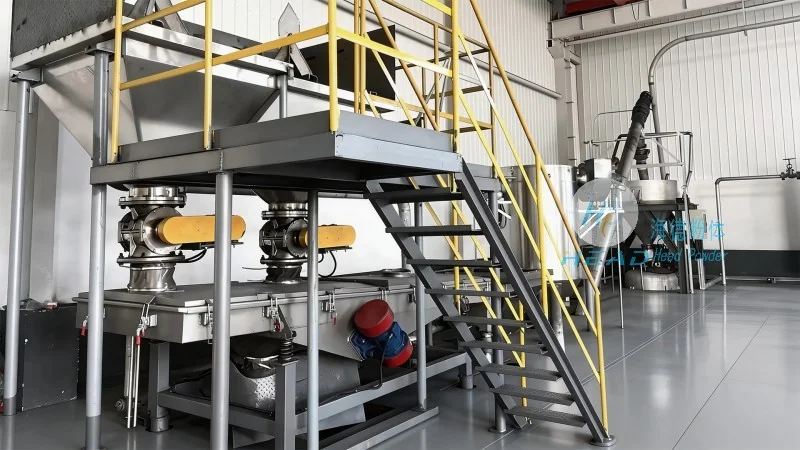
Key Components of Pneumatic Conveying Systems for Barium Sulfate
The pneumatic conveying system for barium sulfate powder typically consists of several critical components that work in tandem to facilitate the material transport. The main components include a hopper for material storage, a feeder to control the flow rate, a conveyor line (either positive or negative pressure), a separator to separate the powder from the air, and a receiver for the conveyed material. Each component plays a vital role in maintaining the efficiency and safety of the system.
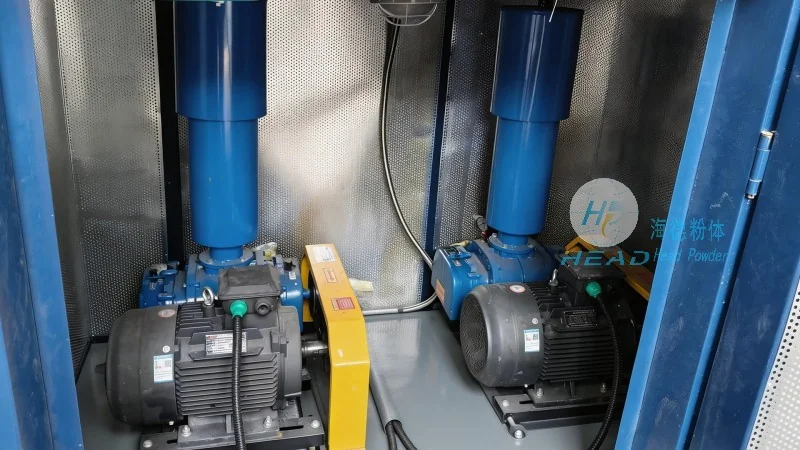
Operation Process of Barium Sulfate Powder Pneumatic Conveying
The operation process of the pneumatic conveying system for barium sulfate powder involves several sequential steps. First, the barium sulfate powder is loaded into the hopper from which it is fed into the conveyor line. The feeder regulates the flow rate to ensure a consistent supply of powder. The conveyor line, under either positive or negative pressure, transports the powder through the system. As the powder travels, it is mixed with air, which helps in reducing friction and preventing caking. The separator then separates the powder from the air, allowing the powder to be collected in the receiver while the air is either recirculated or discharged. This process is continuous, enabling the system to handle large volumes of barium sulfate powder efficiently.
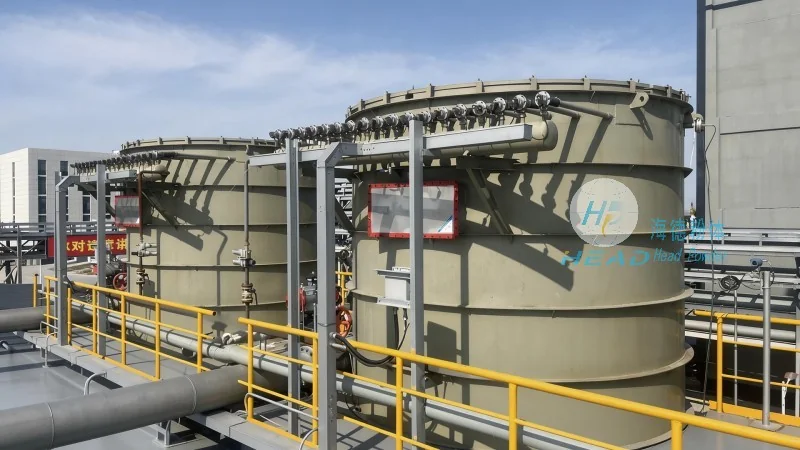
Working Principle of Pneumatic Conveying for Barium Sulfate
The working principle of pneumatic conveying for barium sulfate powder is based on the movement of air and the powder particles. In positive pressure systems, air is blown into the conveyor line, creating a pressure higher than the ambient air, which pushes the powder forward. In negative pressure systems, air is drawn out of the system, creating a vacuum that pulls the powder along. The velocity of the air is crucial; it must be sufficient to lift and transport the powder without causing excessive wear or degradation of the material. The design of the conveyor line, including the pipe diameter and the angle of inclination, also affects the system's performance. Proper air flow and powder velocity ensure that the barium sulfate powder is conveyed smoothly and without blockages.
About Shandong HeadPowder Engineering Co., Ltd.
Shandong HeadPowder Engineering Co., Ltd., a leading manufacturer in the powder handling industry, specializes in providing high-quality pneumatic conveying systems tailored to the needs of various industries. With years of experience and expertise, the company has developed advanced solutions for handling fine powders like barium sulfate. HeadPowder's systems are designed to ensure efficient, safe, and reliable operation, meeting the stringent requirements of modern industrial applications. The company's commitment to quality and innovation has made it a trusted partner for businesses seeking to optimize their powder handling processes.
Address and Contact Information
Shandong HeadPowder Engineering Co., Ltd. is located in Shandong, China, providing a strategic base for serving clients both domestically and internationally. The company's facilities are equipped with state-of-the-art technology and skilled personnel, ensuring that each project is executed with precision and care. By leveraging its expertise in pneumatic conveying systems, HeadPowder continues to deliver solutions that enhance productivity and efficiency in the handling of barium sulfate powder and other fine materials.




