Shandong HeadPowder Engineering Co., Ltd., a prominent manufacturer in the material handling equipment sector, specializes in providing efficient and reliable solutions for transporting various granular materials. Among their product offerings is the soap granule pneumatic conveying machine, a sophisticated system engineered to handle soap granules with precision and efficiency. This article explores what a soap granule pneumatic conveying machine is and delves into its underlying design principles.
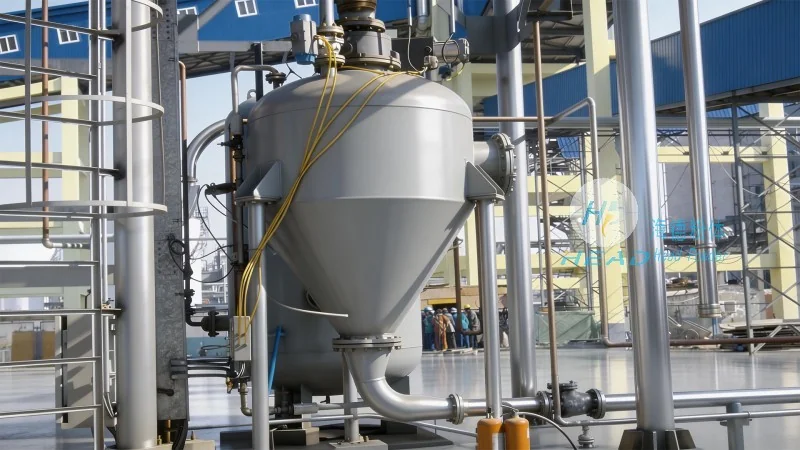
Understanding the Soap Granule Pneumatic Conveying Machine
A soap granule pneumatic conveying machine is a type of pneumatic conveying system specifically designed to transport soap granules from one location to another. Unlike traditional mechanical conveyors, this system utilizes compressed air or a vacuum to move the material through a network of pipes. The machine is particularly suited for applications within industrial settings such as soap manufacturing plants, chemical processing facilities, or packaging lines, where soap granules need to be moved over short to medium distances.
Key Design Principles of the Machine
The design of a soap granule pneumatic conveying machine is based on several fundamental principles to ensure optimal performance and reliability. The primary principle is the use of air as the conveying medium, which allows for the efficient movement of granular materials without physical contact. This method is especially advantageous for delicate or abrasive materials like soap granules, as it minimizes wear and tear on both the equipment and the product.
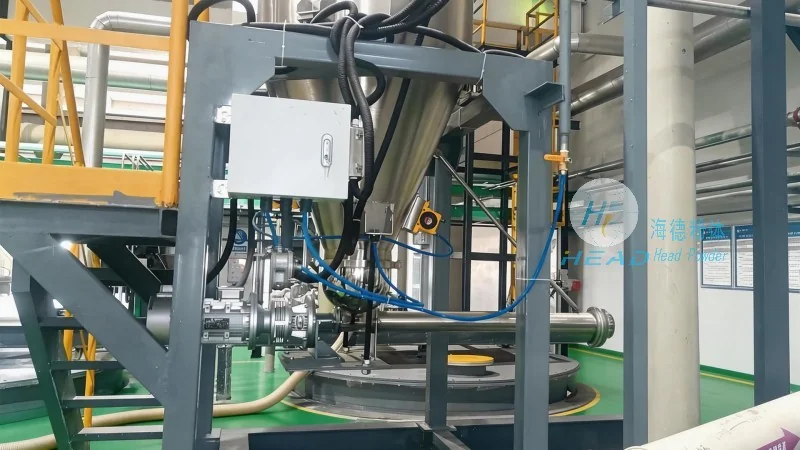
Another critical design principle is the control of air pressure and flow rate. The system typically operates under either positive pressure (where air is forced through the pipes) or negative pressure (where a vacuum is created to draw the material in). The choice between these two modes depends on the specific application requirements, such as the distance to be covered, the height of the lift, and the characteristics of the soap granules. For instance, positive pressure systems are commonly used for horizontal or slightly inclined transport, while negative pressure systems are preferred for vertical lifts or when the material needs to be drawn from a higher elevation.
Furthermore, the design incorporates a robust material handling system that includes an inlet hopper or feeder, which is responsible for feeding the soap granules into the conveying line. The feeder is often equipped with a rotary valve or a screw conveyor to ensure a consistent and controlled flow of material. This design feature prevents blockages and ensures that the material is introduced into the system at a steady rate, which is crucial for maintaining the efficiency of the pneumatic conveying process.
The conveying pipes are another key component of the machine's design. These pipes are typically made of corrosion-resistant materials, such as stainless steel or PVC, to withstand the chemical properties of soap granules and the effects of moisture. The pipe diameter and length are carefully selected based on the material's flow characteristics and the required conveying velocity. Proper pipe design is essential to minimize pressure drop and energy consumption, ensuring that the system operates efficiently and economically.
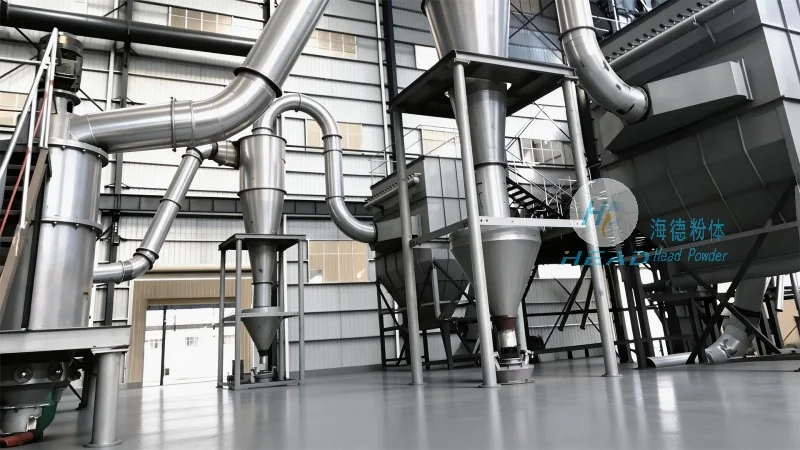
The system also includes a separation or collection unit at the discharge end. This unit is responsible for separating the soap granules from the air stream and collecting them in a designated container. The separation process may involve cyclone separators, filters, or other mechanical devices that effectively separate the solid material from the air. The design of this unit is critical to prevent material loss and to maintain the purity of the soap granules, which is important for downstream processing or packaging.
Control systems are integrated into the machine to regulate operation and ensure safety. These systems may include pressure sensors, flow meters, and control valves that monitor and adjust the air pressure and flow rate in real-time. The control panel allows operators to adjust settings according to the specific requirements of the soap granules being transported, such as varying the conveying speed or adjusting the pressure to accommodate different material loads.
Applications and Benefits
The soap granule pneumatic conveying machine offers several advantages over traditional conveying methods. Its ability to handle delicate materials without causing damage makes it ideal for soap granules, which can be sensitive to mechanical stress. Additionally, the system is compact and can be installed in confined spaces, making it suitable for facilities with limited floor space. The use of air as the conveying medium also eliminates the need for physical contact, reducing the risk of contamination and ensuring that the soap granules remain clean and free from debris.
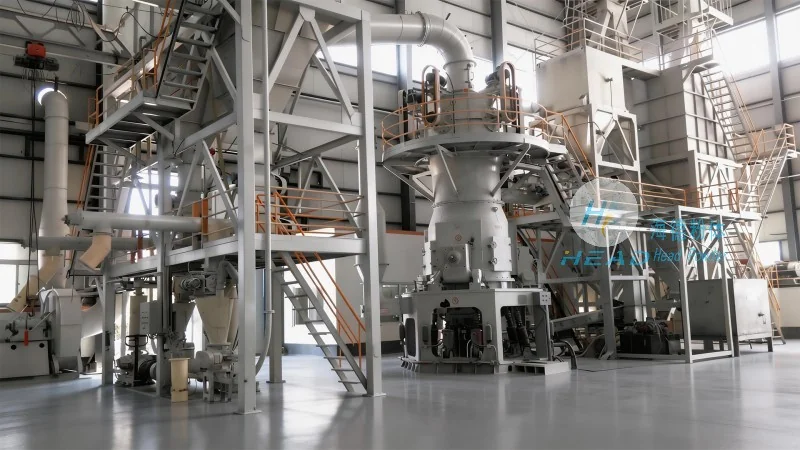
Another benefit is the flexibility of the system. It can be easily adapted to different production requirements by adjusting the conveying speed, pressure, or flow rate. This adaptability makes it a versatile solution for various soap manufacturing processes, from raw material transport to finished product packaging. The machine also contributes to energy efficiency by minimizing energy consumption through optimized pipe design and control systems.
Conclusion
In summary, a soap granule pneumatic conveying machine is a specialized piece of equipment designed to efficiently transport soap granules using compressed air or a vacuum. Its design is based on principles that ensure reliable operation, minimal material damage, and energy efficiency. By understanding these design principles and the benefits they offer, industries can leverage this technology to improve their material handling processes and enhance overall productivity.




