When designing a copper oxide pneumatic conveying system, several critical factors must be considered to ensure efficiency, safety, and longevity of the operation. The process of transporting copper oxide powder via pneumatic methods requires careful attention to material properties, system configuration, and operational parameters. This article outlines key design considerations that are essential for optimizing the performance of such systems.
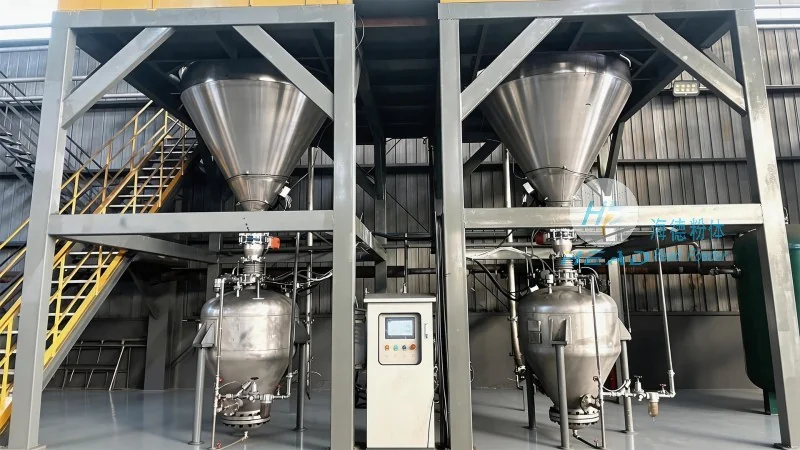
Material Properties and Handling Characteristics
The physical and chemical properties of copper oxide significantly influence the design of a pneumatic conveying system. Copper oxide is typically a fine powder with specific density, particle size distribution, and flowability characteristics. These properties affect how the material behaves under air pressure, its tendency to agglomerate, and its resistance to abrasion. Understanding these characteristics is crucial for selecting appropriate equipment such as feeders, cyclones, and filters. For instance, the particle size can impact the air velocity required for transport, while the density influences the pressure drop across the system. The flowability of copper oxide, which may vary due to moisture content or agglomeration, also affects the choice of feeding mechanisms like rotary valves or screw feeders. Proper characterization of the material ensures that the system is designed to handle the specific challenges posed by copper oxide, preventing issues like blockages or excessive energy consumption.
System Configuration and Components Selection
The configuration of a pneumatic conveying system for copper oxide involves selecting and integrating various components to create an efficient transport network. Key components include the material feed system, the conveying pipeline, separation equipment, and dust collection devices. The feed system must reliably introduce copper oxide into the air stream without causing surges or blockages. Rotary valves are commonly used for this purpose due to their ability to control the flow rate and prevent backflow. The conveying pipeline design considers factors like pipe diameter, material of construction (e.g., stainless steel to resist corrosion from copper oxide), and the layout of the system to minimize pressure losses. Cyclones are essential for separating the copper oxide particles from the air stream, and their design must match the particle size and air velocity to achieve optimal separation efficiency. Additionally, dust collection systems, such as bag filters or cartridge filters, are necessary to comply with environmental regulations and protect the environment from particulate emissions. The selection of each component is critical; for example, using inappropriate materials for the pipeline can lead to corrosion, while a poorly designed cyclone may result in incomplete separation and loss of material.
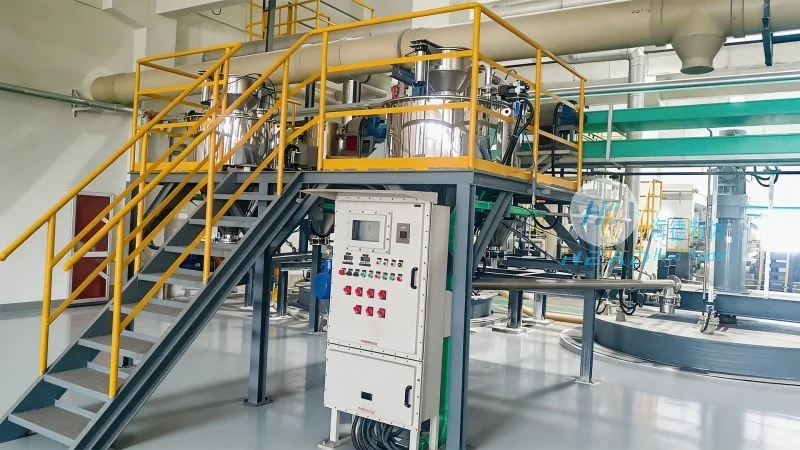
Pressure Drop and Energy Efficiency Considerations
Managing pressure drop and optimizing energy consumption are vital aspects of copper oxide pneumatic conveying system design. The pressure drop in the system is influenced by several factors, including the air velocity, pipe diameter, length, and the properties of the copper oxide particles. Higher air velocities increase the conveying capacity but also raise energy costs and wear on components. Conversely, lower velocities may reduce energy use but could lead to system inefficiencies or blockages. Engineers must balance these factors to achieve an optimal air velocity that ensures reliable transport while minimizing energy consumption. The use of components like in-line mixers or pulse jets can help reduce pressure drop by improving the suspension of particles in the air stream. Additionally, the layout of the system, including the number of bends and the height of vertical sections, impacts the overall pressure drop. Proper design minimizes unnecessary energy losses, extending the operational life of the system and reducing long-term operational costs.
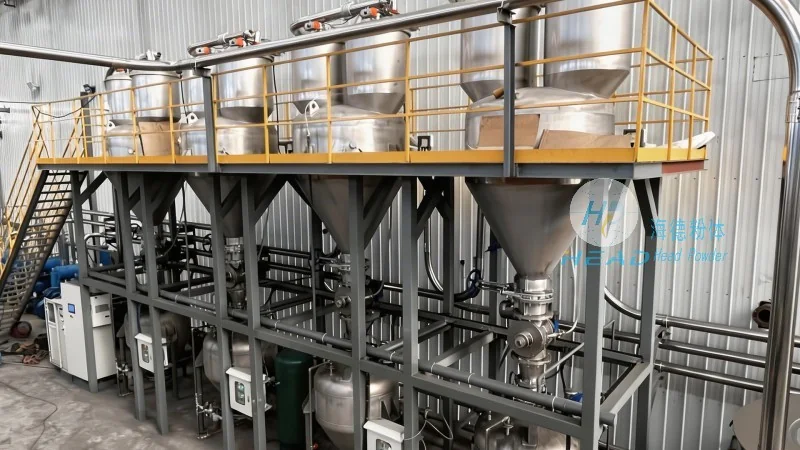
Safety and Environmental Compliance
Safety is a paramount consideration in the design of copper oxide pneumatic conveying systems. Copper oxide, while generally non-toxic, can cause respiratory issues if inhaled in high concentrations. Therefore, the system must incorporate adequate dust control measures to prevent exposure to personnel. This includes effective dust collection systems and proper ventilation in the operating area. Additionally, the system must be designed to prevent the buildup of static electricity, which can be a fire hazard, especially when handling fine powders. Proper grounding and bonding of components are essential to mitigate this risk. Environmental regulations also require that the system minimizes emissions of copper oxide particles into the atmosphere. This may involve using high-efficiency filters and regular maintenance to ensure the system operates within compliance limits. Compliance with local and national regulations is not only a legal requirement but also contributes to the overall safety and sustainability of the operation.
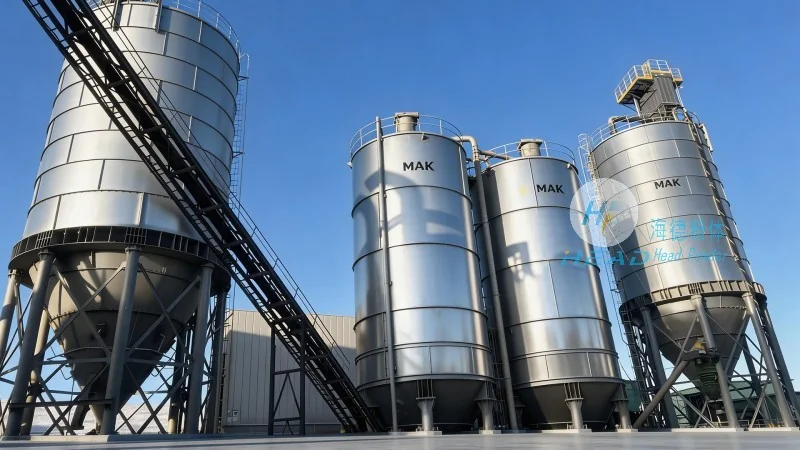
Installation and Maintenance Requirements
The successful operation of a copper oxide pneumatic conveying system depends on proper installation and regular maintenance. During installation, it is crucial to ensure that all components are properly aligned and secured to prevent vibrations or leaks. The pipeline must be checked for any potential points of failure, such as weak joints or corrosion, which could lead to system downtime. Regular maintenance is essential to keep the system running efficiently. This includes cleaning cyclones and filters, inspecting feeders for wear, and checking for any signs of blockages or wear in the pipeline. Preventive maintenance schedules should be established based on the system's operating hours and the characteristics of the copper oxide being handled. Proper maintenance not only extends the life of the equipment but also ensures consistent performance and reduces the risk of unexpected failures. For systems handling copper oxide, which can be abrasive, regular inspection of wear parts is particularly important to avoid costly repairs or system shutdowns.
Case Study: Shandong HeadPowder Engineering Co., Ltd.
Shandong HeadPowder Engineering Co., Ltd., a leading provider of pneumatic conveying solutions, specializes in designing systems tailored to the unique needs of copper oxide handling. With years of experience in the industry, the company has developed expertise in addressing the challenges posed by copper oxide's properties. Their systems are engineered to optimize material flow, minimize energy consumption, and ensure compliance with safety and environmental standards. The company's approach involves a thorough analysis of the client's specific requirements, including the volume of copper oxide to be transported, the distance of the conveying line, and the operating conditions. Based on this analysis, they design customized solutions that incorporate the latest technology and best practices in pneumatic conveying. Shandong HeadPowder Engineering Co., Ltd. is committed to delivering reliable and efficient copper oxide pneumatic conveying systems that meet the highest industry standards, providing long-term value to their clients. The company's headquarters is located in Shandong, China, where they maintain a state-of-the-art facility for system design, testing, and manufacturing.




