Lithium manganese oxide (LMO) is a critical cathode material widely used in lithium-ion batteries, particularly in high-energy density applications. The efficient and reliable transportation of LMO powders from production lines to processing facilities is essential for maintaining production efficiency and product quality. Pneumatic conveying systems offer a non-contact, dust-free method for handling these sensitive materials, but their design requires careful consideration to ensure optimal performance and safety.
Key Design Considerations for LMO Pneumatic Conveying
When designing a pneumatic conveying system for LMO, several factors must be evaluated to achieve the best results. First, the physical properties of the LMO powder, such as particle size distribution, bulk density, and flowability, directly impact system selection. For example, fine powders may require higher air velocities to prevent clogging, while coarser particles can be handled with lower velocities. The system's configuration, including the type of conveying line (e.g., dilute-phase or dense-phase), must be matched to these material characteristics to ensure smooth operation.
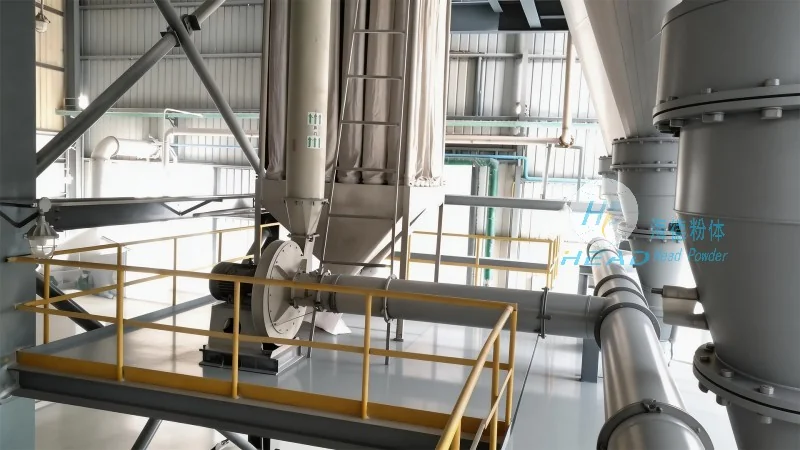
Second, material compatibility is a critical consideration. LMO powders are often sensitive to moisture and contamination, which can degrade their performance. Therefore, the entire conveying system, including ducts, valves, and filters, must be constructed from materials that are resistant to corrosion and do not introduce contaminants. Stainless steel is commonly used for ductwork and components due to its durability and resistance to chemical attack. Additionally, the system should incorporate effective dust collection and filtration systems to prevent LMO particles from escaping into the environment and to protect downstream equipment.
Third, energy efficiency and operational costs are important factors in system design. The choice of air compressor, pressure control, and flow rate optimization can significantly impact energy consumption. Modern systems often use variable frequency drives (VFDs) to adjust air pressure and flow based on real-time demand, reducing energy waste. Proper sizing of the air compressor and ducts also minimizes pressure losses, which improves overall system efficiency.
Fourth, safety considerations are paramount. LMO powders can be flammable under certain conditions, and the conveying system must be designed to prevent ignition sources. This includes using explosion-proof components, ensuring proper ventilation, and implementing emergency shutdown procedures. The system should also be equipped with monitoring devices to detect pressure changes, air leaks, or abnormal particle flow, allowing for immediate intervention to prevent accidents.
System Components and Integration
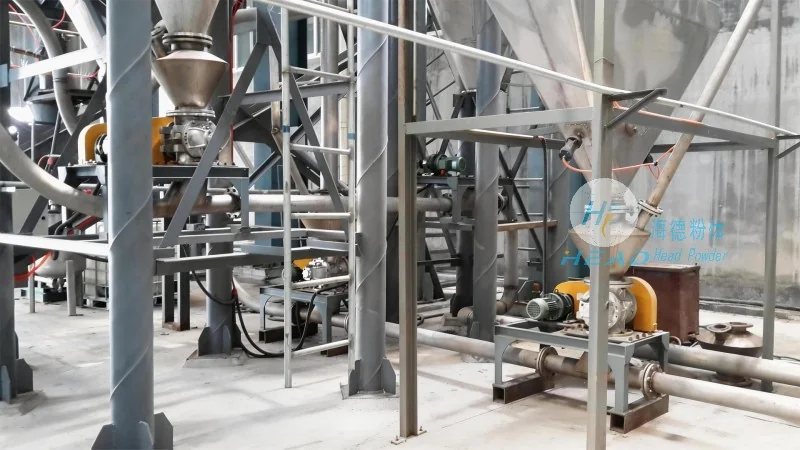
A well-designed LMO pneumatic conveying system consists of several key components that work together to transport the material efficiently. The primary components include the material feed hopper, which stores and feeds the LMO powder into the system; the air compressor, which provides the necessary air pressure; the conveying line, which transports the powder; and the receiving hopper or processing equipment, where the material is deposited. The feed hopper is typically equipped with a rotary valve or feeder to control the flow rate and prevent material buildup. The air compressor is usually a positive displacement type, such as a rotary screw or reciprocating compressor, chosen based on the required pressure and flow rate. The conveying line is made of smooth, corrosion-resistant materials, such as stainless steel or PTFE-coated ducts, to minimize friction and particle abrasion. The receiving hopper may include a dust filter or cyclone to separate any entrained air from the LMO powder before it is transferred to the next stage of processing.
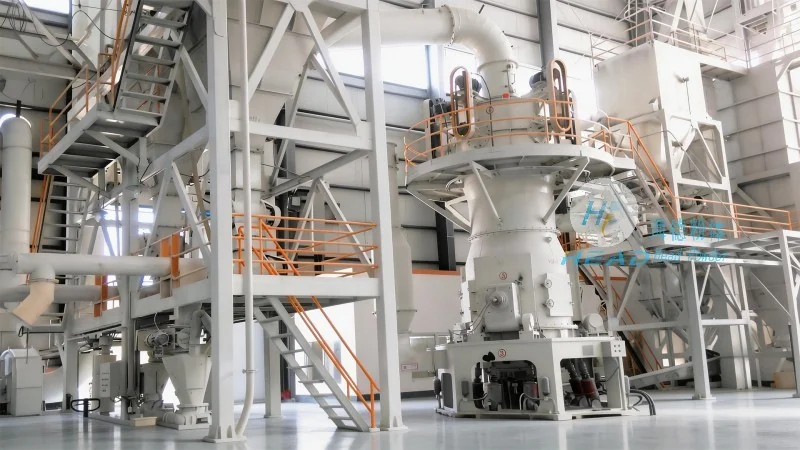
Integration with existing production lines is another important aspect of system design. The pneumatic conveying system must be compatible with the flow rates and pressure levels of the upstream and downstream equipment. This may require the use of pressure regulators, flow meters, and control valves to adjust the system's performance and ensure seamless operation. Proper alignment and sealing of all connections are also critical to prevent air leaks and maintain system efficiency.
Maintenance and Operational Best Practices
Regular maintenance is essential to ensure the long-term reliability and performance of an LMO pneumatic conveying system. Key maintenance tasks include cleaning the ducts and filters to prevent clogging, inspecting the air compressor and valves for wear and tear, and checking the feed and receiving hoppers for material buildup. The system should be inspected regularly for signs of corrosion or damage, and any issues should be addressed promptly to avoid system failures. Operational best practices also include monitoring system parameters, such as pressure and flow rates, and adjusting them as needed to maintain optimal performance. Training operators on proper system operation and emergency procedures is also important to ensure safe and efficient operation.
By following these design considerations and best practices, manufacturers can ensure that their LMO pneumatic conveying systems operate efficiently, safely, and reliably, supporting high-quality production of lithium-ion batteries. The expertise of companies like Shandong HeadPowder Engineering Co., Ltd. is crucial in providing tailored solutions that meet the specific needs of LMO powder handling applications.




