For industries dealing with sodium hydroxide powder, efficient and safe material handling is paramount. Pneumatic conveying systems offer a reliable method to transport this caustic material, but challenges such as dust leakage can compromise safety and operational efficiency. This article explores effective strategies and technologies employed by Shandong HeadPowder Engineering Co., Ltd. to mitigate dust leakage during the transport of sodium hydroxide powder, ensuring compliance with safety standards and maintaining process integrity.
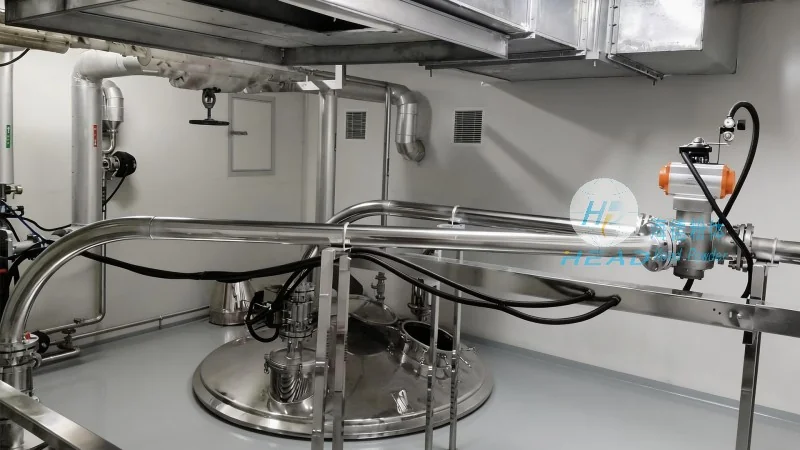
Understanding the Risks of Dust Leakage in Pneumatic Conveying
Sodium hydroxide, commonly known as caustic soda, is a highly reactive and corrosive substance. When handled in bulk, it poses significant health and environmental risks if dust is released into the environment. Pneumatic conveying systems, while efficient, can experience pressure differentials and material flow disruptions that lead to dust leakage at connection points, silo outlets, and transfer points. These leaks not only increase exposure to hazardous particles but also reduce the overall efficiency of the conveying process by causing material loss and system downtime.
Key Technologies for Dust Control in Pneumatic Conveying Systems
Shandong HeadPowder Engineering Co., Ltd. employs advanced engineering solutions to address dust leakage issues. One critical technology is the use of high-quality, airtight seals at all connection points. These seals are designed to maintain consistent pressure within the system, preventing air and powder from escaping. Additionally, the company utilizes specialized silo and hopper designs with integrated dust collection systems. These systems capture any airborne particles before they can escape, ensuring a clean and safe operation environment. Another effective approach is the implementation of positive pressure conveying, where the system maintains a slight overpressure to prevent external air from entering and carrying dust out.
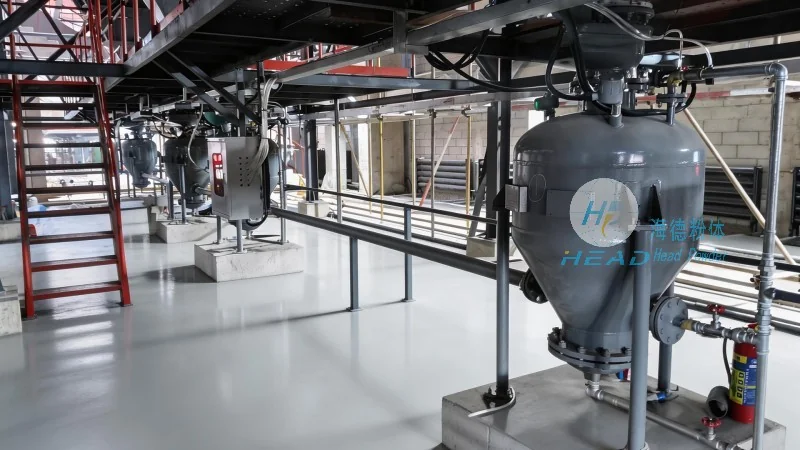
Material Handling Solutions for Sodium Hydroxide Powder
When transporting sodium hydroxide powder, the choice of equipment and system design is crucial. Shandong HeadPowder Engineering Co., Ltd. recommends using flexible hoses and rigid pipelines with smooth inner surfaces to minimize friction and material buildup, which can lead to blockages and increased dust generation. The company also emphasizes the importance of regular maintenance and inspection of all components, including valves, filters, and seals, to identify and address potential sources of leakage promptly. By adopting these measures, the system remains reliable and safe, reducing the risk of dust exposure for personnel and protecting the surrounding environment.
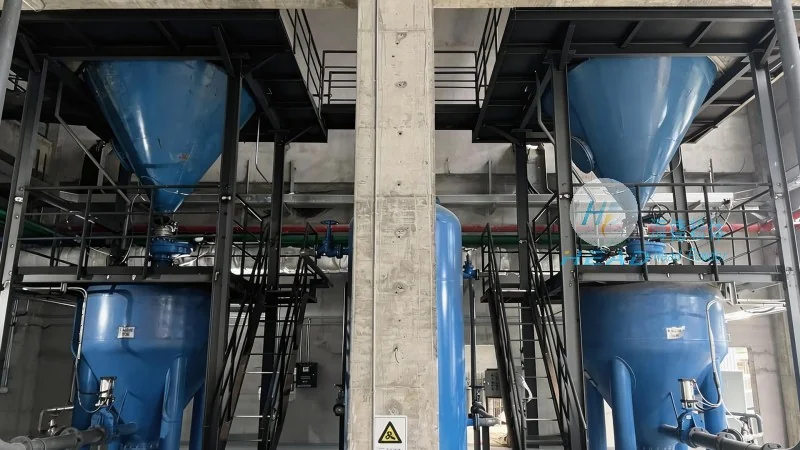
Ensuring Compliance and Operational Excellence
Compliance with safety regulations is a top priority for Shandong HeadPowder Engineering Co., Ltd. The company ensures that all pneumatic conveying systems for sodium hydroxide powder meet or exceed industry standards for dust control and material handling. Regular audits and performance monitoring are conducted to verify that the system operates within safe parameters. This commitment to excellence not only protects the workforce but also enhances the overall productivity and sustainability of the operation. By investing in robust dust control measures, industries can achieve long-term operational success while maintaining a safe working environment.
Conclusion: A Safe and Efficient Solution for Sodium Hydroxide Powder Transport
Preventing dust leakage in pneumatic conveying systems for sodium hydroxide powder requires a combination of advanced technology, careful system design, and rigorous maintenance. Shandong HeadPowder Engineering Co., Ltd. provides comprehensive solutions that address these challenges, ensuring that material handling operations are both efficient and safe. By implementing the strategies outlined above, industries can minimize the risks associated with dust exposure and maintain a high level of operational performance. The company’s expertise in engineering and material handling ensures that clients receive tailored solutions that meet their specific needs, contributing to a safer and more sustainable industrial environment.




