For industrial applications involving the handling of potassium chloride (KCl), efficient and reliable material transport is crucial. This article provides a detailed exploration of KCl pneumatic conveying systems, highlighting their design principles, operational mechanisms, and practical applications. The discussion will also emphasize the importance of selecting the right system for specific industrial needs, ensuring optimal performance and safety.
Understanding KCl Pneumatic Conveying Systems
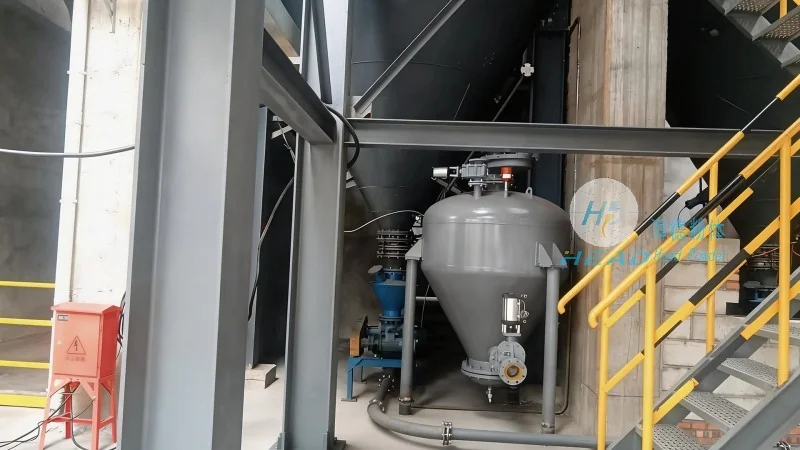
KCl pneumatic conveying systems are designed to transport solid materials, such as potassium chloride, through a pipeline using a gas stream, typically air or other suitable gases. These systems are widely used in various industries due to their ability to handle bulk materials with minimal manual intervention. The core components of a typical KCl pneumatic conveying system include a material hopper, a feeder, a conveying line, and a receiver. The system operates by feeding KCl from the hopper into the conveying line, where it is propelled by the gas flow to the destination point.
Key Components and Their Functions
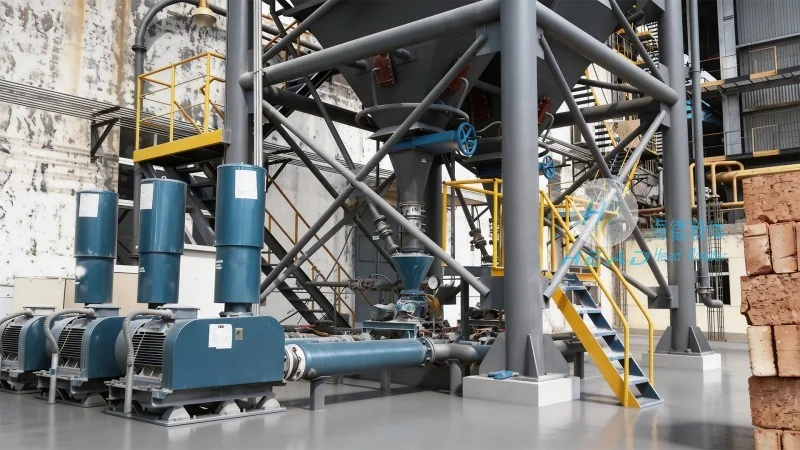
The effectiveness of a KCl pneumatic conveying system largely depends on the proper functioning of its key components. The material hopper serves as the storage and feeding unit, ensuring a consistent supply of KCl to the system. The feeder, often a rotary valve or a screw feeder, regulates the flow rate of KCl into the conveying line, preventing overloading and maintaining system stability. The conveying line, usually made of stainless steel or other corrosion-resistant materials, is designed to withstand the pressure and temperature conditions of the KCl and the conveying gas. The receiver, positioned at the end of the line, collects the KCl and may include a dust collection system to ensure environmental compliance.
Types of KCl Pneumatic Conveying Systems
There are several types of KCl pneumatic conveying systems, each suited to different operational requirements and material characteristics. The most common types include pressure systems, vacuum systems, and mixed systems. Pressure systems use compressed air to push the KCl through the pipeline, offering high conveying rates and the ability to transport materials over long distances. Vacuum systems, on the other hand, use a vacuum to draw the KCl into the pipeline, which is ideal for applications requiring gentle material handling or when the material needs to be transported from multiple sources to a central location. Mixed systems combine elements of both pressure and vacuum systems, providing flexibility in handling different material loads and operational scenarios.
Operational Principles and Efficiency Considerations
The operational efficiency of a KCl pneumatic conveying system is influenced by several factors, including the air velocity, material flow rate, and pipeline design. Proper air velocity is critical to prevent material settling or blockages in the pipeline. Excessive air velocity can lead to increased energy consumption and potential material degradation, while insufficient velocity may cause system inefficiencies. The material flow rate must be carefully controlled to match the system's capacity, ensuring that the conveying line remains full without causing pressure buildup. Pipeline design, including the use of bends, elbows, and expansion joints, also plays a vital role in maintaining system efficiency and preventing material degradation or system wear.
Advantages and Applications of KCl Pneumatic Conveying Systems
KCl pneumatic conveying systems offer numerous advantages over traditional material handling methods, such as belt conveyors or bucket elevators. These systems are highly flexible, allowing for easy reconfiguration of the conveying line to accommodate changes in production processes or facility layouts. They also provide a dust-free and hygienic environment, which is particularly important for food and pharmaceutical industries where KCl may be used as a raw material. Additionally, pneumatic conveying systems can handle a wide range of material sizes and shapes, including fine powders and granules, without the need for additional processing steps. The applications of KCl pneumatic conveying systems are diverse, including chemical processing, food processing, and mining operations, where the efficient transport of bulk materials is essential for maintaining production efficiency and reducing operational costs.
Maintenance and Safety Considerations
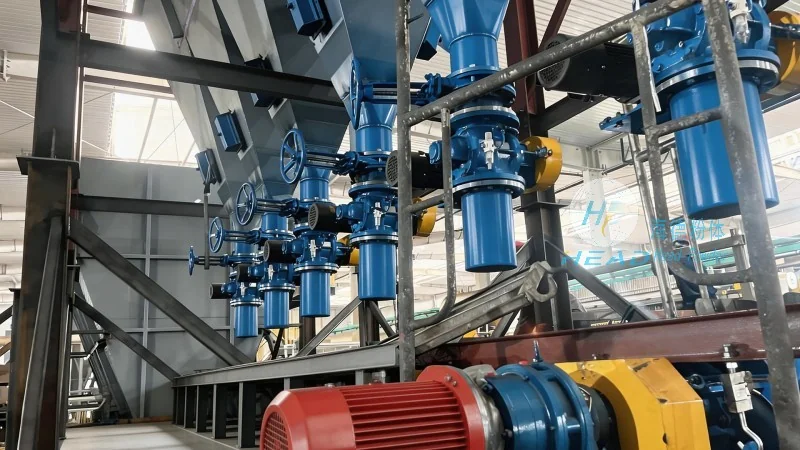
To ensure the long-term performance and safety of a KCl pneumatic conveying system, regular maintenance and adherence to safety protocols are essential. Regular inspection of the system components, such as the hopper, feeder, and conveying line, is necessary to detect and address any signs of wear or damage. The air filtration system must be maintained to prevent dust accumulation and ensure clean air for the conveying process. Additionally, safety measures, such as proper grounding of electrical components and the use of explosion-proof equipment in hazardous environments, must be implemented to protect personnel and equipment from potential hazards. Proper training of operators on the safe operation of the system is also crucial to minimize the risk of accidents and ensure compliance with industry regulations.
Conclusion
KCl pneumatic conveying systems represent a sophisticated and efficient solution for the transport of bulk materials in various industrial applications. By understanding the key components, operational principles, and maintenance requirements of these systems, industrial operators can select and implement the most suitable KCl pneumatic conveying system for their specific needs. The proper design and operation of such systems not only enhance production efficiency but also contribute to a safer and more sustainable industrial environment. As technology continues to advance, the development of more efficient and environmentally friendly KCl pneumatic conveying systems will further improve the overall performance and reliability of material handling processes in the industry.




