When it comes to managing ash handling systems in industrial settings, selecting the right type of air pressure system is crucial for efficiency, safety, and operational longevity. Two primary methods are widely used: positive pressure and negative pressure systems. Understanding the differences between these approaches is essential for making an informed decision that aligns with specific operational needs and environmental regulations. This article will explore the characteristics, advantages, and typical applications of both positive and negative pressure ash handling systems, helping you determine which option is best suited for your facility. HeadPowder, a leading provider of engineering solutions, offers expertise in designing and implementing effective ash handling systems tailored to your industrial requirements.
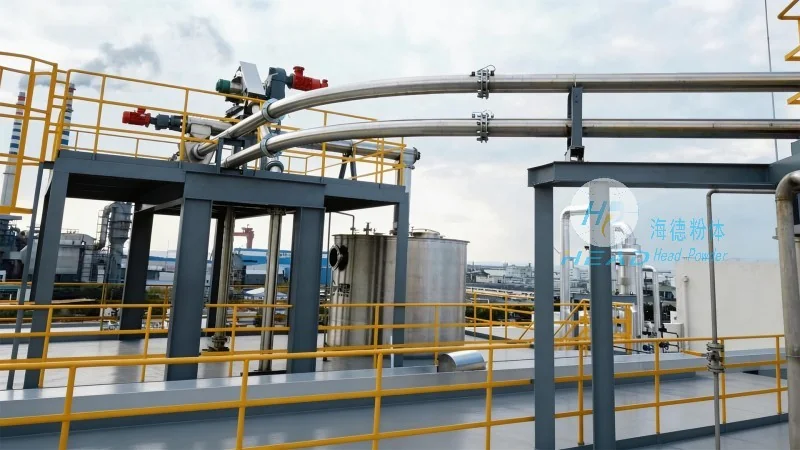
Understanding the Basics: Positive Pressure vs. Negative Pressure Systems
In the context of ash handling, the terms "positive pressure" and "negative pressure" refer to the pressure differential relative to the ambient air. Positive pressure systems operate by creating an environment where the internal air pressure is higher than the surrounding atmospheric pressure. Conversely, negative pressure systems maintain an internal pressure that is lower than the ambient air pressure. The choice between these systems depends on factors such as the nature of the ash material, the distance it needs to be transported, the need for containment, and the overall safety requirements of the facility.
Key Characteristics of Positive Pressure Ash Handling Systems
Positive pressure systems, also known as blowers or forced air systems, utilize fans or blowers to push air and ash particles through the ductwork. This method ensures that the ash is continuously moved from the source to the collection or disposal point. One of the primary advantages of positive pressure systems is their ability to maintain a consistent flow rate, which is particularly beneficial when dealing with high-volume ash production. Additionally, positive pressure systems are often more effective in preventing external air from entering the system, reducing the risk of dust contamination in the facility. However, they may require more robust sealing and filtration to prevent air leakage and maintain the desired pressure levels.
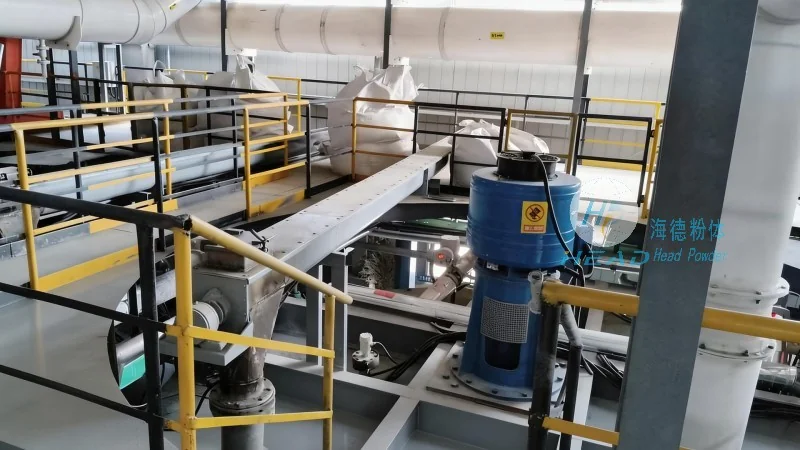
Key Characteristics of Negative Pressure Ash Handling Systems
Negative pressure systems, on the other hand, rely on suction or vacuum to draw ash particles into the ductwork. This approach is typically used when the ash needs to be transported over longer distances or when the source is located in a confined space. The main advantage of negative pressure systems is their ability to create a sealed environment, which helps in containing dust and preventing it from escaping into the workplace. This makes them suitable for applications where air quality and worker safety are paramount. However, negative pressure systems may be less efficient in handling large volumes of ash and can sometimes experience issues with clogging if the ductwork is not properly maintained.
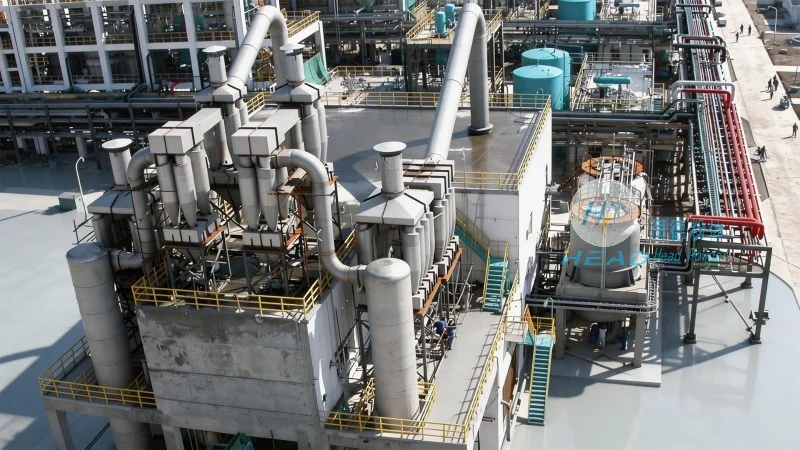
Factors to Consider When Choosing Between Systems
Several factors should be evaluated when deciding between positive and negative pressure ash handling systems. First, consider the distance and layout of the facility. Positive pressure systems are generally more suitable for shorter distances and simpler layouts, as they rely on pushing air, which can be less effective over long distances. Negative pressure systems, with their suction capability, are better suited for longer transport routes or when the ash source is in a remote location. Second, assess the nature of the ash material. Some ash types may be more abrasive or prone to clogging, which could impact the performance of either system. Third, evaluate the safety and environmental requirements. Positive pressure systems may require additional filtration to prevent dust from escaping, while negative pressure systems excel in maintaining a clean environment by containing the ash within the system.
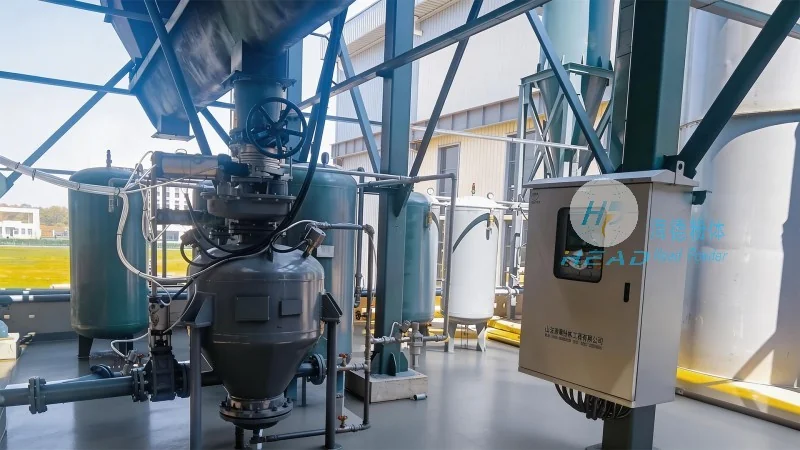
Applications and Use Cases
Positive pressure systems are commonly used in applications such as boiler ash removal, where the ash is transported from the boiler to a storage or disposal area. They are also suitable for industrial processes that generate large volumes of ash, such as power plants and cement factories. Negative pressure systems are often employed in applications where the ash needs to be transported from a confined space, like a furnace or a storage silo, to a central collection point. They are also preferred in environments where strict air quality regulations are in place, as they help in maintaining a dust-free workplace.
Conclusion: Making the Right Choice for Your Facility
Choosing between positive and negative pressure ash handling systems is a critical decision that impacts the efficiency and safety of your industrial operations. Positive pressure systems offer consistent flow and are ideal for shorter distances and high-volume ash transport. Negative pressure systems excel in containing dust and are better suited for longer distances or confined spaces. By carefully evaluating the specific needs of your facility, including the ash volume, transport distance, and safety requirements, you can select the most appropriate system to ensure effective ash management. Whether you opt for a positive or negative pressure solution, investing in a well-designed and maintained ash handling system will contribute to the overall operational efficiency and compliance with environmental standards. HeadPowder Engineering Co., Ltd., based in Shandong, China, provides comprehensive engineering solutions to meet your ash handling needs, ensuring reliable and safe operation in your industrial environment.




