For industries dealing with abrasive and fine materials like corundum, maintaining a dust-free environment during material handling is crucial. Pneumatic conveying systems, while efficient for transporting such materials, often face challenges with dust leakage, which can lead to operational inefficiencies and health hazards. This article explores effective strategies to prevent dust leakage in pneumatic conveying systems specifically when handling corundum, highlighting the expertise of Shandong HeadPowder Engineering Co., Ltd. (HeadPowder), a leading provider of specialized material handling solutions.
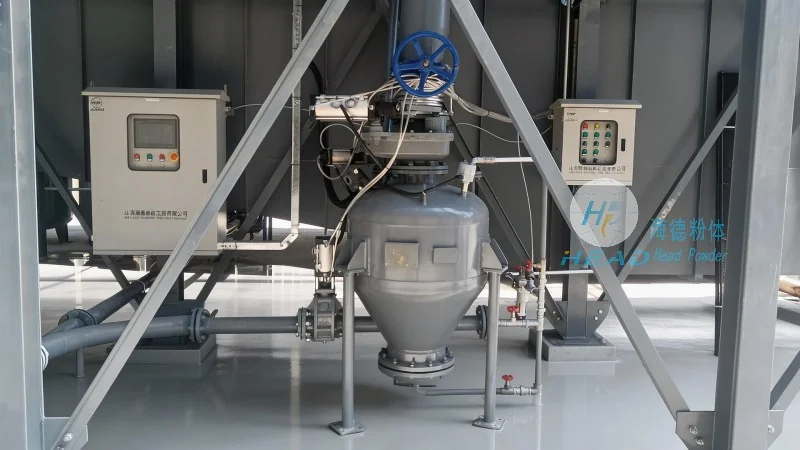
Understanding the Challenges of Corundum Handling in Pneumatic Conveying
Corundum, a hard, crystalline form of aluminum oxide, is widely used in abrasive applications, refractory materials, and as a component in high-performance ceramics. Its fine particle size and abrasive nature make it particularly challenging to handle in pneumatic conveying systems. The primary issues include high dust generation during transport, potential for system component wear, and the risk of dust leakage at joints, valves, and transfer points. These challenges not only affect workplace safety but also impact the system's longevity and overall efficiency. Effective dust control measures are therefore essential to ensure smooth operation and compliance with environmental regulations.
Key Strategies for Dust Leakage Prevention in Pneumatic Conveying Systems
Implementing robust dust control strategies is critical to maintaining a clean and safe working environment when transporting corundum via pneumatic systems. Several key approaches, developed and refined by industry experts like HeadPowder, focus on improving system design, enhancing sealing mechanisms, and optimizing operational parameters. These strategies include:
1. Advanced System Design and Material Selection
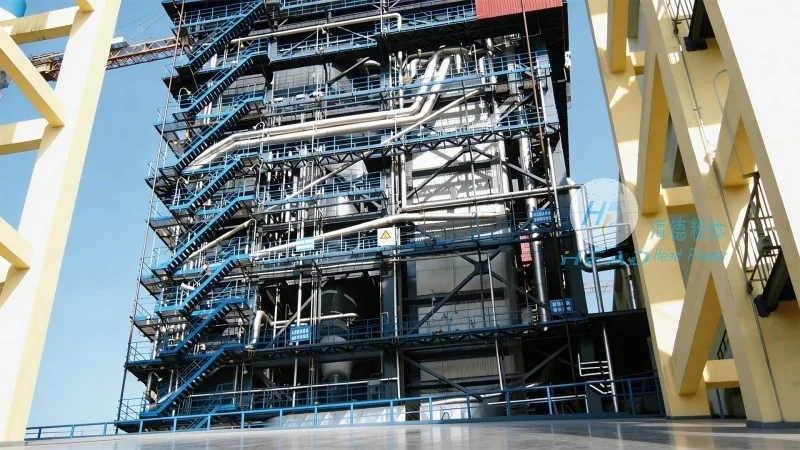
HeadPowder emphasizes the importance of designing pneumatic conveying systems with corundum-specific considerations. This involves selecting high-quality, wear-resistant materials for components such as pipelines, valves, and cyclones. For instance, using stainless steel or specialized alloys can reduce wear from abrasive corundum particles, extending the system's lifespan. Additionally, incorporating airtight connections and using flexible, yet durable, hoses that maintain sealing integrity under pressure is vital. The engineering team at HeadPowder leverages years of experience to design systems that minimize potential leakage points from the outset.
2. Comprehensive Sealing Solutions
Sealing is a critical aspect of preventing dust leakage. HeadPowder offers a range of sealing technologies tailored to the demands of corundum handling. These include mechanical seals, O-ring systems, and custom-designed gaskets that are resistant to the abrasive nature of corundum. Proper installation and regular maintenance of these seals are essential to ensure they remain effective over time. The company also recommends using double-seal mechanisms in high-risk areas, such as at the inlet and outlet of cyclones, to provide an additional layer of protection against dust escape.
3. Optimized Airflow and Pressure Management
Controlling airflow and pressure within the pneumatic system is another effective method to reduce dust leakage. HeadPowder's engineers recommend maintaining optimal air velocity to prevent particle settling and ensure consistent transport. This involves using appropriate blower capacity and pressure settings that balance efficiency with dust containment. Additionally, implementing pressure relief valves and surge tanks can help manage fluctuations in system pressure, reducing the risk of over-pressurization that may lead to leaks. By carefully calibrating these parameters, operators can minimize the likelihood of dust escaping from the system.
4. Regular Maintenance and Monitoring
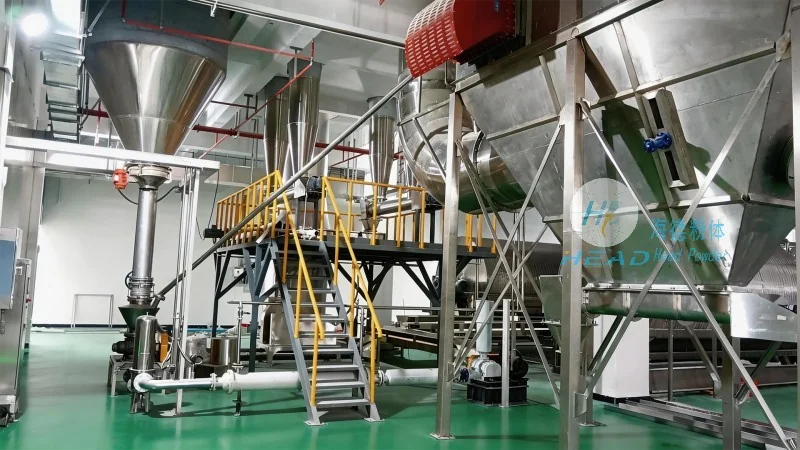
Even the most well-designed systems require regular maintenance to prevent dust leakage. HeadPowder advises implementing a proactive maintenance schedule that includes inspections of seals, valves, and other components for wear or damage. Using high-quality replacement parts and following manufacturer guidelines for maintenance can significantly extend the system's performance and reduce the risk of leaks. Furthermore, installing dust monitoring systems can provide real-time feedback on air quality and detect potential leaks early, allowing for timely intervention.
Benefits of Implementing Dust Control Measures
Preventing dust leakage in pneumatic conveying systems for corundum offers numerous benefits beyond just maintaining a safe environment. These include improved operational efficiency, reduced downtime due to component failure, and lower maintenance costs. By minimizing dust exposure, companies can also enhance worker safety and comply with occupational health and environmental regulations. The investment in robust dust control solutions, such as those provided by HeadPowder, is therefore a wise choice for long-term operational success.
Conclusion
Preventing dust leakage in pneumatic conveying systems when handling corundum requires a combination of advanced engineering, careful system design, and diligent maintenance. Companies like Shandong HeadPowder Engineering Co., Ltd. play a vital role in providing specialized solutions that address these challenges effectively. By adopting the strategies outlined above, industries can ensure efficient, safe, and reliable transport of corundum while maintaining a clean and compliant working environment. For more information on pneumatic conveying systems and dust control solutions, contact HeadPowder, a trusted partner in material handling engineering based in Shandong, China.




