HeadPowder, a leading engineering firm based in Shandong, China, specializes in advanced material handling solutions. The company focuses on developing efficient and safe systems for transporting bulk materials, particularly in industries where dust control is critical. This article explores the challenges and effective strategies for preventing dust leakage when using pneumatic conveying systems to transport calcium hydroxide, a material widely used in construction, agriculture, and chemical applications.
Understanding the Challenges of Calcium Hydroxide Transport
Calcium hydroxide, commonly known as slaked lime, is a fine, powdery substance that poses unique challenges during transportation. Its hygroscopic nature means it readily absorbs moisture from the air, which can cause clumping and increased dust generation. Additionally, the fine particle size of calcium hydroxide makes it highly susceptible to airborne dispersion, leading to dust leakage and potential health hazards. Traditional bulk material handling methods often struggle to maintain containment, especially when dealing with such reactive and dusty materials. Pneumatic conveying systems, while efficient for long-distance transport, require meticulous design and maintenance to prevent dust leakage.
The Role of Pneumatic Conveying Systems in Calcium Hydroxide Handling
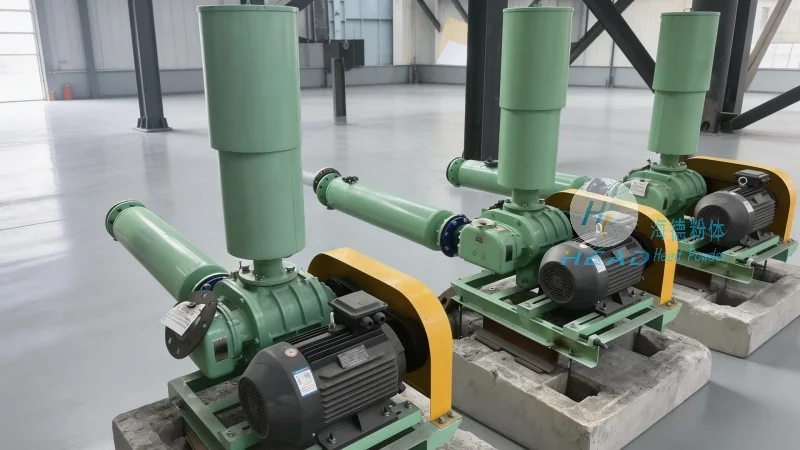
Pneumatic conveying systems utilize air to transport bulk materials through pipelines, offering advantages such as high throughput, flexibility, and reduced equipment wear compared to mechanical systems. For calcium hydroxide, these systems are particularly beneficial as they can handle the material's fine particle characteristics without the need for excessive mechanical agitation. However, the high velocity of air and the abrasive nature of the material can lead to wear on system components, potentially compromising the integrity of seals and joints. This wear is a primary cause of dust leakage, as it allows the fine particles to escape from the system's containment areas.
Key Strategies for Preventing Dust Leakage in Pneumatic Conveying Systems
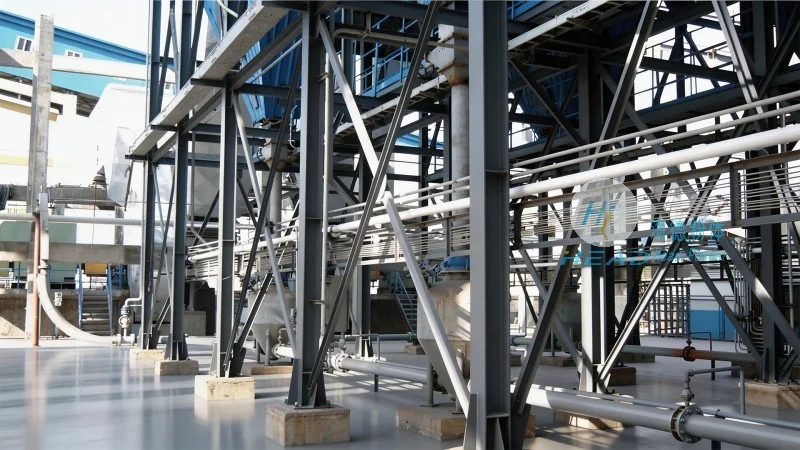
Effective dust control in pneumatic conveying systems for calcium hydroxide involves a combination of design considerations, material selection, and regular maintenance. One critical strategy is implementing robust sealing mechanisms at all points where the material enters or exits the system, including hoppers, feeders, and discharge points. High-quality gaskets and seals, often made from materials resistant to the abrasive and moisture-absorbing properties of calcium hydroxide, are essential to maintain a tight seal. Additionally, the use of dust collection systems, such as cyclones or bag filters, at the system's discharge end can capture any escaped particles, preventing them from entering the environment.
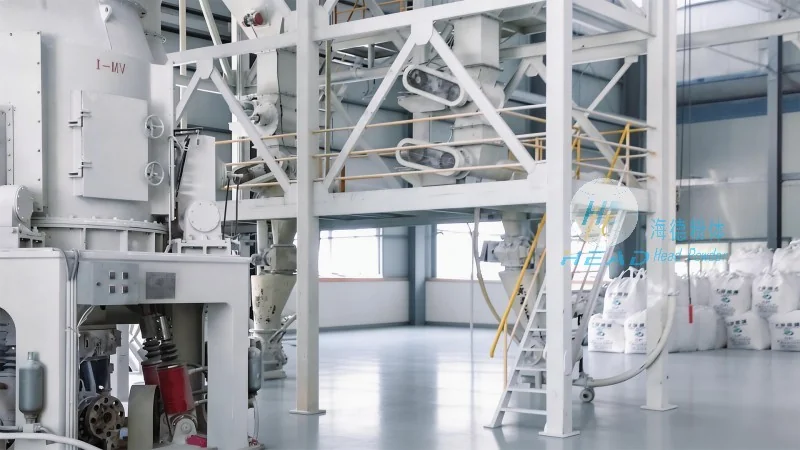
Another important aspect is the selection of appropriate pipeline materials and components. Stainless steel or corrosion-resistant alloys are preferred for the conveying lines to withstand the chemical properties of calcium hydroxide and prevent internal wear that could lead to cracks or leaks. Regular inspection and maintenance of the system, including checking for signs of wear on seals, joints, and pipeline surfaces, are crucial for early detection and repair of potential issues. HeadPowder's engineering expertise ensures that these strategies are integrated into the system design from the outset, minimizing the risk of dust leakage and ensuring compliance with environmental and safety regulations.
Conclusion
Preventing dust leakage in pneumatic conveying systems for calcium hydroxide requires a comprehensive approach that addresses both the material's properties and the system's design. By implementing robust sealing solutions, using appropriate materials, and maintaining the system regularly, companies can ensure efficient and safe transport of calcium hydroxide while minimizing environmental impact and health risks. HeadPowder, with its expertise in material handling engineering, provides tailored solutions that meet these challenges, helping clients in the construction, agriculture, and chemical industries achieve reliable and dust-free material transport.




