Working Principle and Features of Mobile Pneumatic Conveying Systems
Release time:2026-09-16 18:01:20
name of the company:Shandong Headpowder Engineering Co., Ltd.
telephone:156-6277-7102
contacts:Zhang manager
Mobile pneumatic conveying systems are essential in modern material handling, offering efficient and flexible solutions for transporting bulk materials. This article explores the working principle and key features of such systems, providing insights into their functionality and advantages.
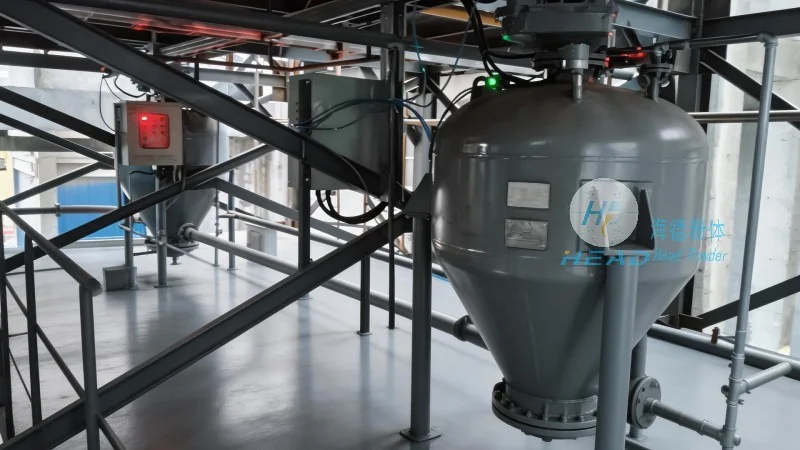
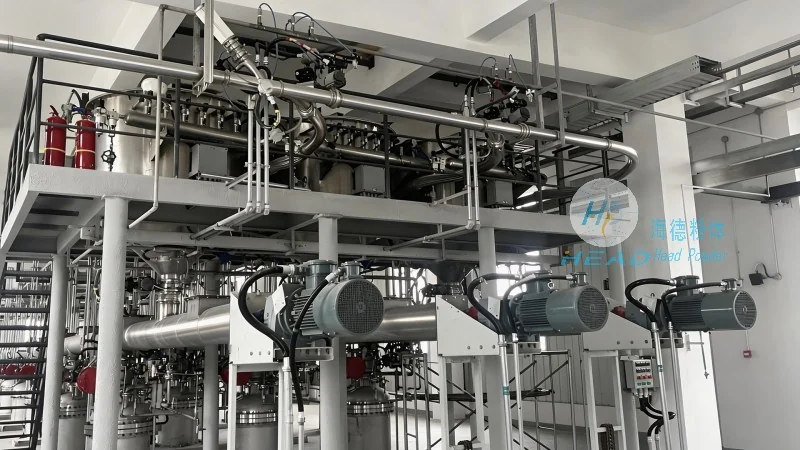
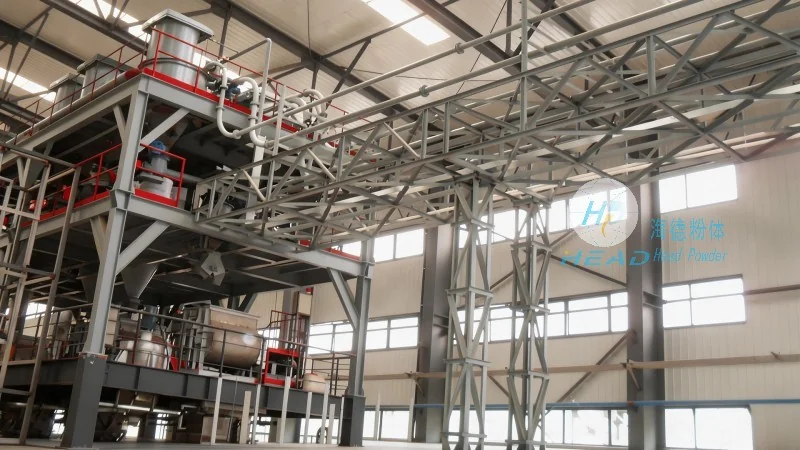
Understanding the Working Principle of Mobile Pneumatic Conveying Systems
At the core of mobile pneumatic conveying systems is the use of air pressure to move materials through a pipeline. The system typically consists of a blower, a hopper for material storage, a conveying line, and a discharge point. When the system is activated, the blower generates a high-pressure airflow that draws material from the hopper into the pipeline. The material is then carried through the line by the airflow, reaching the discharge point where it is released. This process eliminates the need for mechanical components like belts or chains, reducing maintenance and increasing operational efficiency. There are two main types of air pressure systems: positive pressure and negative pressure. Positive pressure systems use a blower to force air into the conveying line, pushing the material forward. Negative pressure systems, on the other hand, use a vacuum to draw material into the line. The choice between these systems depends on the material being conveyed and the application requirements. For example, positive pressure systems are often used for abrasive materials, while negative pressure systems are suitable for fine powders that require dust control.
Key Features of Mobile Pneumatic Conveying Systems
Mobile pneumatic conveying systems offer several distinct advantages that make them ideal for various industrial applications. One of the primary features is their mobility, allowing the system to be easily repositioned as needed. This flexibility is particularly beneficial in environments where material handling requirements change frequently, such as in construction sites or temporary production facilities. Additionally, these systems are highly efficient in terms of energy consumption, as they use compressed air to transport materials without the need for heavy machinery. This not only reduces operational costs but also minimizes the environmental impact. Another notable feature is their ability to handle a wide range of materials, from powders and granules to small particles, making them versatile for different industries including food processing, pharmaceuticals, and chemical manufacturing. The systems also provide a clean and dust-free operation, which is crucial in applications where contamination control is essential, such as in food and pharmaceutical industries. Furthermore, the design of mobile pneumatic conveying systems allows for easy integration with existing facilities, minimizing installation time and costs. This makes them a cost-effective solution for businesses looking to upgrade their material handling capabilities without major disruptions.




