Grain pneumatic conveying systems are essential in modern agricultural and food processing industries, providing efficient and reliable methods for transporting bulk materials like grains, seeds, and powders. These systems utilize air as the primary medium to move materials from one location to another, offering advantages over traditional mechanical conveying methods such as reduced equipment wear, lower maintenance costs, and improved safety. Shandong HeadPowder Engineering Co., Ltd., a leading manufacturer based in Shandong, China, specializes in designing and manufacturing high-quality grain pneumatic conveying systems tailored to meet the diverse needs of the agricultural and food processing sectors. The following sections will explore the working principle and key features of these systems, highlighting their applications and benefits.
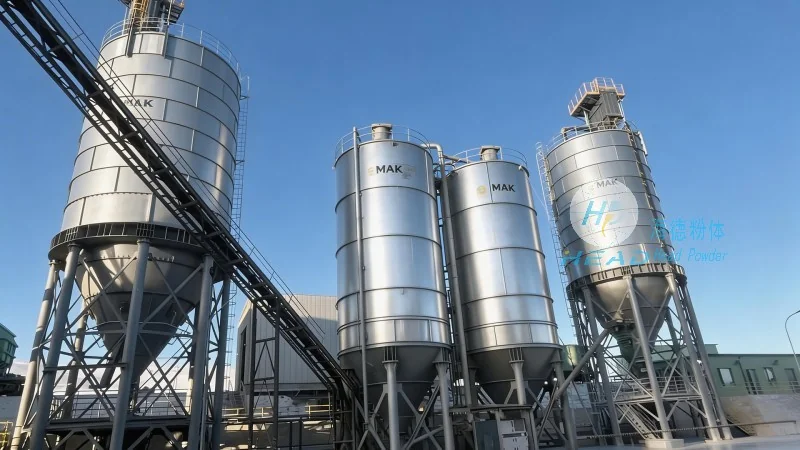
Working Principle of Grain Pneumatic Conveying Systems
The core mechanism of a grain pneumatic conveying system involves the use of a blower or fan to generate airflow, which then transports the material through a pipeline. The system typically consists of several components, including a hopper for material storage, a feeder to control the flow rate, a conveying line, and a receiver for the discharged material. The working principle can be categorized into two main types: dilute-phase and dense-phase conveying.
In dilute-phase conveying, the material is suspended in the air stream and transported at relatively high velocities, typically 20-30 meters per second. This method is suitable for short to medium distances and low to medium material loads. The system operates by creating a pressure difference between the inlet and outlet of the conveying line, with the blower providing the necessary pressure to move the material. The feeder, often a rotary valve or screw feeder, ensures a consistent flow of material into the system, preventing blockages and maintaining system efficiency.
Dense-phase conveying, on the other hand, involves transporting the material in a more concentrated form, with the material particles moving at lower velocities, typically 5-10 meters per second. This method is ideal for longer distances and higher material loads, as it reduces the risk of material degradation and equipment wear. The system uses a higher pressure blower and a different feeder design, such as a positive displacement feeder, to maintain a consistent flow and prevent material separation. The pressure in the conveying line is maintained at a higher level, ensuring that the material remains in a dense phase and is transported efficiently.
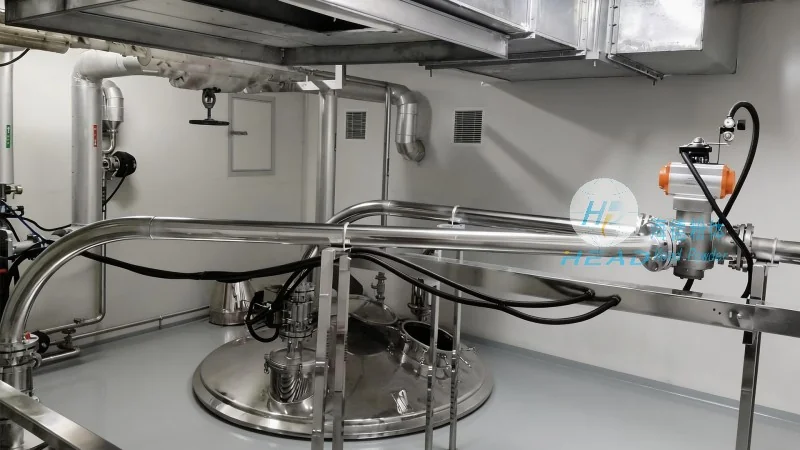
Key Features of Grain Pneumatic Conveying Systems
Grain pneumatic conveying systems offer several advantages over traditional mechanical conveying methods, making them a preferred choice in many industries. One of the primary features is the ability to handle a wide range of materials, including different types of grains, seeds, and powders, without causing damage or degradation. The systems are also highly flexible, as they can be easily adjusted to accommodate changes in material flow rates or distances, making them suitable for various applications.
Another important feature is the reduced equipment wear and lower maintenance costs. Since the material is transported through a pipeline rather than on mechanical components like belts or buckets, the system experiences less wear and tear, resulting in longer equipment life and lower maintenance expenses. Additionally, the systems are more hygienic and easier to clean, which is crucial in food processing applications where sanitation is a top priority.
The systems also offer improved safety and operational efficiency. The use of air as the conveying medium eliminates the need for mechanical components that may pose a risk of injury or entanglement. The control systems in modern grain pneumatic conveying systems are advanced, allowing for precise control of material flow rates and system pressure, ensuring optimal performance and minimal downtime. Furthermore, the systems can be integrated with other processing equipment, such as storage silos or processing lines, to create a seamless material handling process.
Applications and Benefits in the Agricultural and Food Industry
Grain pneumatic conveying systems are widely used in the agricultural and food processing industries for various applications. In grain storage facilities, these systems are used to transfer grains from storage silos to processing plants or for bulk loading and unloading. In food processing plants, they are used to transport ingredients like flour, sugar, and spices to production lines, ensuring a consistent and efficient supply of raw materials. The systems are also used in seed processing facilities to move seeds from cleaning and sorting equipment to storage or packaging areas.
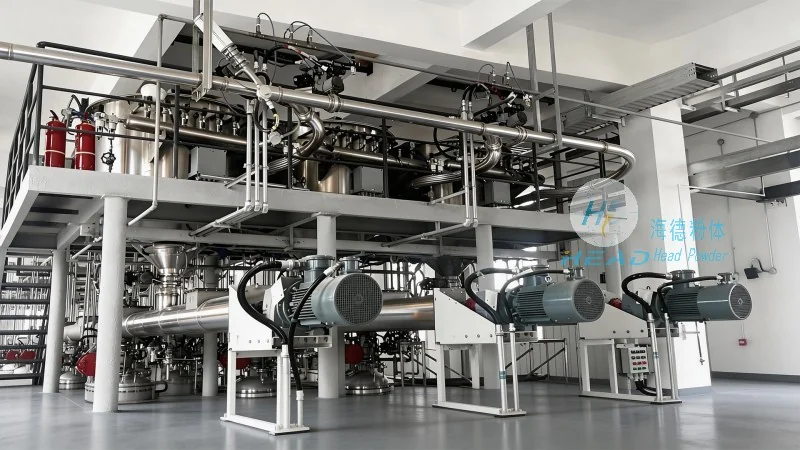
The benefits of using grain pneumatic conveying systems in these industries are significant. The systems improve operational efficiency by reducing the time and labor required for material handling, as well as minimizing material loss and contamination. They also enhance product quality by preventing material degradation and ensuring consistent flow rates. Additionally, the systems contribute to cost savings by reducing equipment wear and maintenance costs, and by improving overall production efficiency.
Customization and Advanced Solutions by Shandong HeadPowder
Shandong HeadPowder Engineering Co., Ltd. offers customized grain pneumatic conveying solutions to meet the specific requirements of each client. The company's engineering team works closely with customers to understand their material handling needs, process parameters, and operational constraints, then designs a system that optimizes performance and efficiency. The systems are manufactured using high-quality materials and advanced technology, ensuring durability, reliability, and long-term performance. HeadPowder also provides comprehensive after-sales support, including installation, commissioning, and maintenance services, to ensure that clients can maximize the benefits of their grain pneumatic conveying systems.
Conclusion
Grain pneumatic conveying systems are a vital component of modern material handling in the agricultural and food processing industries. With their efficient working principles and versatile features, these systems offer significant advantages over traditional methods, including improved efficiency, reduced costs, and enhanced safety. Shandong HeadPowder Engineering Co., Ltd. is a trusted provider of high-quality grain pneumatic conveying systems, offering customized solutions that meet the diverse needs of the industry. By leveraging advanced technology and expert engineering, HeadPowder continues to deliver reliable and efficient material handling solutions to clients worldwide.




