For industries dealing with flexible coke powder, the efficient and reliable operation of pneumatic conveying systems is crucial. However, one of the most common challenges is pipeline blockage, which can lead to production downtime and increased maintenance costs. Understanding and implementing the right design parameters are essential to mitigate these issues and ensure smooth material flow. This article explores effective strategies to prevent pipeline blockages in flexible coke powder conveying systems and highlights the key design parameters that contribute to their success.
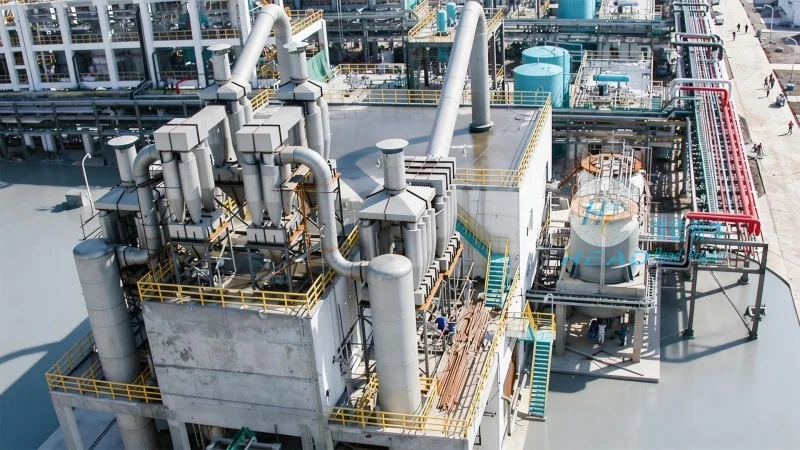
Understanding the Challenges of Flexible Coke Powder Conveying
Flexible coke powder, often used in steelmaking and other industrial processes, has unique properties that make it prone to agglomeration and blockage in pipelines. Unlike other bulk materials, coke powder can stick to pipe walls due to its fine particle size and cohesive nature. This behavior increases the risk of blockages, especially in vertical or horizontal sections with changes in direction or diameter. The consequences of blockages can be severe, including system shutdowns, equipment damage, and safety hazards. Therefore, it is imperative to address this challenge through proper system design and maintenance.
Key Design Parameters for Preventing Pipeline Blockages
Several critical design parameters must be considered when designing a pneumatic conveying system for flexible coke powder to minimize the risk of blockages. These parameters are tailored to the material's characteristics and the system's operational requirements. The following are the most important factors:
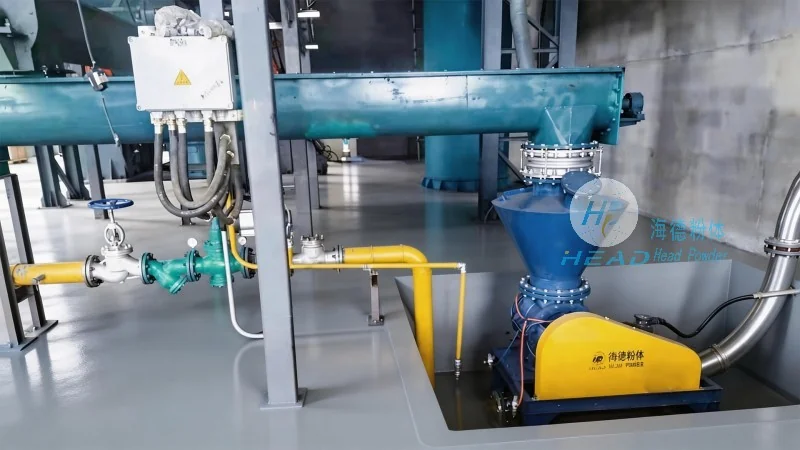
1. Air Velocity and Pressure
Optimal air velocity is a fundamental parameter in pneumatic conveying. For flexible coke powder, the air velocity must be high enough to keep the material in suspension but not so high as to cause excessive wear on the system components. Typically, the velocity should be maintained between 20-30 m/s for most applications. The pressure within the system also plays a crucial role. Higher pressure can help maintain the material's suspension but may increase energy consumption and equipment costs. A balanced approach is necessary to achieve efficient conveying without causing blockages.
2. Pipe Diameter and Material
The diameter of the conveying pipe is directly related to the risk of blockage. Larger pipe diameters reduce the surface area to volume ratio, which minimizes the likelihood of material adhering to the pipe walls. For flexible coke powder, a minimum pipe diameter of 100 mm is often recommended to prevent clogging. The material of the pipe is also important. Stainless steel or corrosion-resistant materials are preferred to prevent the material from sticking to the pipe due to chemical reactions or surface roughness. Smooth interior surfaces further reduce the risk of blockage by minimizing friction and material accumulation.
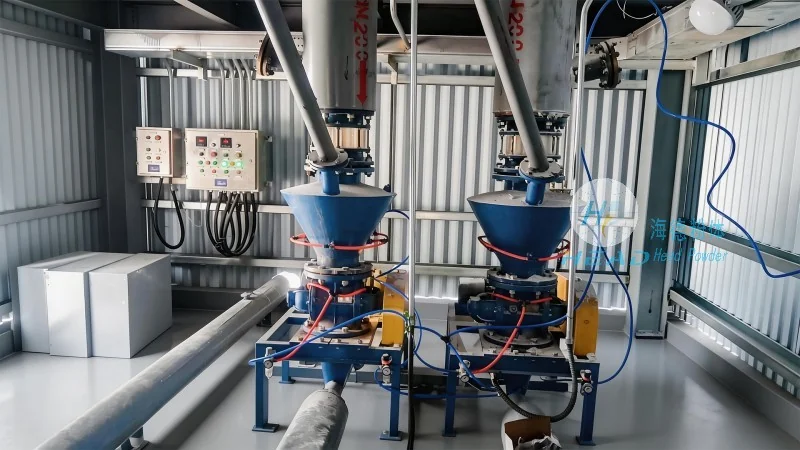
3. System Configuration and Layout
The overall layout and configuration of the pneumatic conveying system significantly impact its performance. The system should be designed with a continuous flow path, avoiding unnecessary bends or changes in direction that can cause material to settle and accumulate. Vertical sections should be minimized or, if necessary, equipped with suitable agitators or vibrators to prevent material from settling. The use of horizontal sections with gradual changes in direction can also help maintain material suspension and reduce blockage risk. Properly sized and positioned air inlets and outlets are essential to ensure uniform air distribution throughout the system.
4. Material Handling and Conditioning
Pre-treatment of the flexible coke powder before it enters the conveying system can improve its flow characteristics and reduce blockage risk. Conditioning the material with moisture or additives can enhance its flowability, making it less prone to agglomeration. However, excessive moisture can lead to other issues such as corrosion or material degradation. Therefore, a balanced approach is needed. Additionally, regular cleaning and maintenance of the system components, such as filters and cyclones, are crucial to prevent material buildup and ensure optimal performance.
Implementation Strategies by Shandong HeadPowder Engineering Co., Ltd.
Shandong HeadPowder Engineering Co., Ltd., a leading provider of pneumatic conveying solutions, specializes in designing and manufacturing systems tailored to the unique needs of flexible coke powder. The company's expertise lies in integrating the key design parameters discussed above into comprehensive solutions that address the specific challenges of each application. By leveraging advanced engineering techniques and materials, HeadPowder ensures that their systems are not only efficient but also highly reliable and low-maintenance.
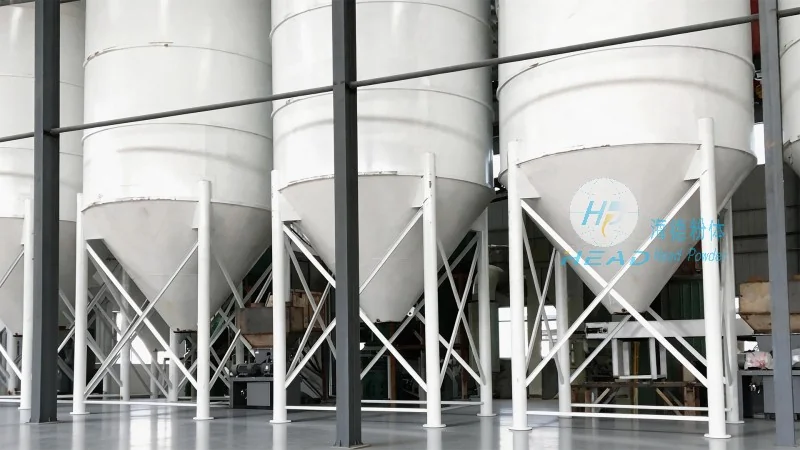
For example, HeadPowder's pneumatic conveying systems for flexible coke powder often incorporate variable speed drives and pressure sensors to monitor and adjust the system's performance in real-time. This allows for immediate detection of any changes that could lead to blockages, enabling prompt corrective action. The company also provides comprehensive maintenance and support services to ensure that their systems operate at peak efficiency throughout their service life.
Conclusion
Preventing pipeline blockages in flexible coke powder conveying systems requires a systematic approach that considers multiple design parameters. By optimizing air velocity and pressure, selecting appropriate pipe diameters and materials, and carefully designing the system layout, industries can significantly reduce the risk of blockages and improve overall operational efficiency. Companies like Shandong HeadPowder Engineering Co., Ltd. play a vital role in providing these specialized solutions, helping clients achieve reliable and cost-effective material handling. With the right design and maintenance strategies, pneumatic conveying systems can effectively handle flexible coke powder, ensuring smooth operations and minimal downtime.




