When it comes to transporting soybean feed using pneumatic conveying systems, preventing pipe blockages is a critical concern for efficiency and operational reliability. The design of these systems involves several key parameters that directly impact the ability to maintain smooth material flow. Understanding these parameters is essential for optimizing the performance of pneumatic conveying equipment in soybean feed applications.
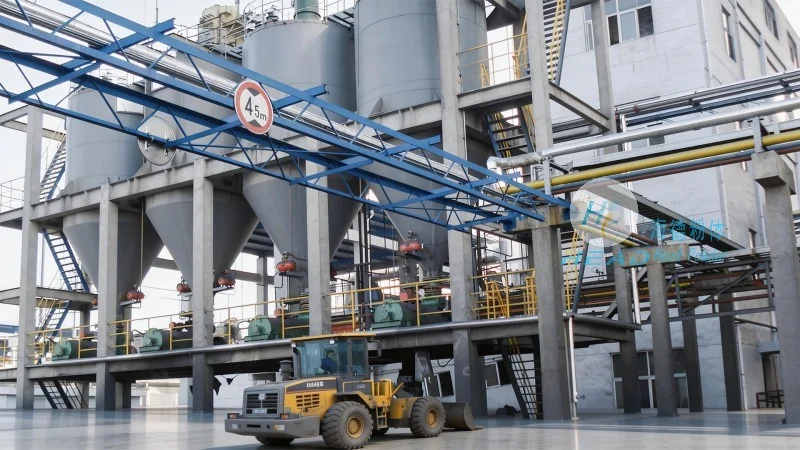
Key Design Parameters for Preventing Pipe Blockages in Soybean Feed Conveying
The first and most fundamental parameter is the pipe diameter. In pneumatic conveying systems, a larger pipe diameter generally reduces the risk of blockages as it allows for a higher volume of material to be conveyed at a lower velocity, minimizing the chance of material settling or agglomerating. For soybean feed, which can have varying particle sizes and moisture content, selecting an appropriate pipe diameter is crucial. Shandong HeadPowder Engineering Co., Ltd. recommends using pipes with diameters ranging from 100mm to 200mm for most soybean feed applications, as this range balances the need for sufficient flow capacity with the practicality of system installation and maintenance.
Another critical parameter is the conveying velocity or air velocity. The velocity of the air stream must be sufficient to keep the soybean feed particles suspended but not so high that it causes excessive wear on the system components or leads to energy inefficiency. For soybean feed, an optimal air velocity typically falls between 15 to 25 meters per second. This range ensures that the particles remain in suspension while minimizing the risk of abrasion on the pipe walls and reducing energy consumption. Proper calculation of air velocity is essential, as it directly influences the system's ability to handle different feed compositions and moisture levels.
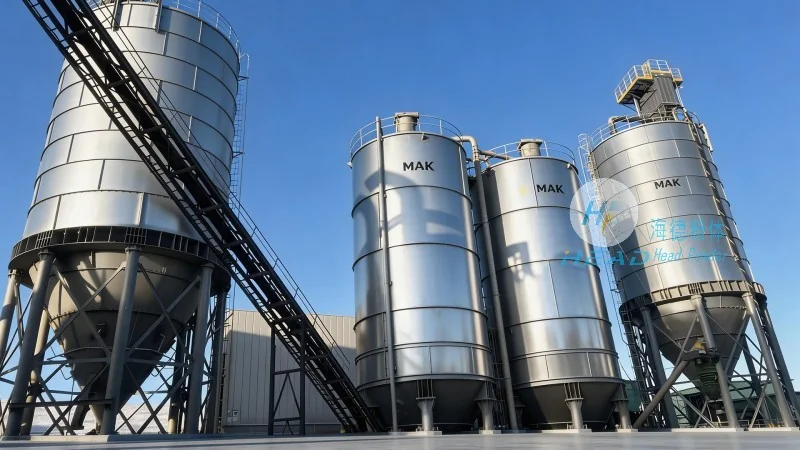
Material Characteristics and Their Impact on Conveying Design
The physical properties of soybean feed, such as particle size distribution, bulk density, and moisture content, play a significant role in determining the design of the pneumatic conveying system. Soybean feed often contains a mix of whole beans, meal, and other byproducts, which can vary in size and shape. A well-designed system must account for these variations to prevent blockages. For instance, if the feed includes a high proportion of larger particles, a larger pipe diameter and higher air velocity may be required to maintain flow. Conversely, if the feed has a high moisture content, the risk of caking or agglomeration increases, necessitating additional measures like temperature control or the use of heated air to keep the material in a free-flowing state.
System Configuration and Components for Soybean Feed Handling
The configuration of the pneumatic conveying system, including the type of conveying (e.g., dilute-phase or dense-phase), also affects the risk of blockages. Dilute-phase systems, where the material is suspended in a high-velocity air stream, are commonly used for soybean feed due to their efficiency and ability to handle a wide range of particle sizes. However, dense-phase systems, which use lower air velocities and higher material concentrations, may be more suitable for applications where blockages are a major concern. The choice between these systems depends on the specific characteristics of the soybean feed and the desired conveying distance.
Key components such as feeders, cyclones, and filters are also critical in preventing blockages. Properly designed feeders ensure a consistent and controlled feed rate, which prevents surges that could lead to blockages. Cyclones are used to separate the material from the air stream and can be equipped with anti-clogging features to maintain performance. Filters are essential for removing fine particles from the air, preventing them from accumulating and causing blockages in downstream equipment. Shandong HeadPowder Engineering Co., Ltd. emphasizes the importance of selecting high-quality components that are specifically designed for handling soybean feed to minimize maintenance and downtime.
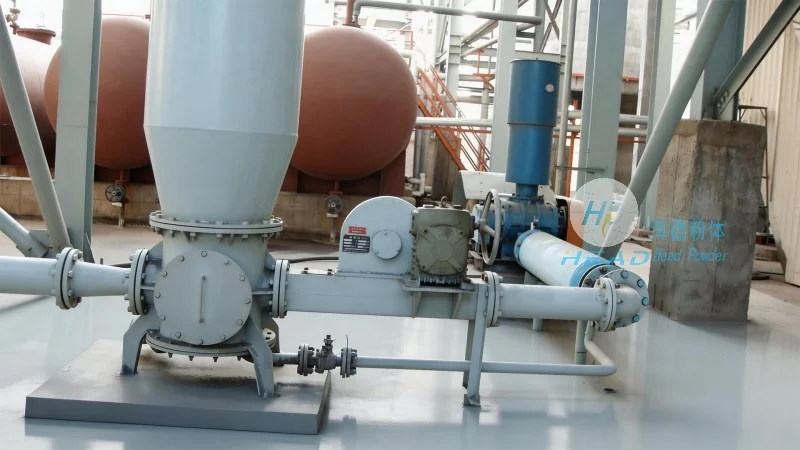
Operational Practices to Minimize Blockages in Soybean Feed Conveying
Even with optimal design, operational practices play a vital role in preventing pipe blockages. Regular maintenance and cleaning of the system components are essential. This includes cleaning the pipes, cyclones, and filters to remove any accumulated material that could cause blockages over time. Monitoring the system's performance, such as air pressure and flow rates, can help identify potential issues before they lead to blockages. Additionally, adjusting the conveying parameters based on changes in the soybean feed composition, such as variations in moisture content or particle size, can help maintain smooth operation.
In conclusion, preventing pipe blockages in pneumatic conveying systems for soybean feed transportation requires a comprehensive approach that considers key design parameters, material characteristics, system configuration, and operational practices. By carefully selecting the appropriate pipe diameter, air velocity, and system components, and by implementing proper maintenance and operational strategies, the risk of blockages can be significantly reduced, ensuring efficient and reliable soybean feed handling. Shandong HeadPowder Engineering Co., Ltd. specializes in designing and manufacturing pneumatic conveying systems tailored to the specific needs of soybean feed applications, helping clients achieve optimal performance and minimize downtime.




