How to Prevent Pipeline Blockages in Pneumatic Conveying Systems for Dry Powder Mortar? Key Design P
Release time:2026-09-14 10:40:48
name of the company:Shandong Headpowder Engineering Co., Ltd.
telephone:156-6277-7102
contacts:Zhang manager
Pneumatic conveying systems are widely used in the dry powder mortar industry to transport materials efficiently and safely. These systems rely on air pressure to move dry powders through pipelines, offering advantages such as reduced dust generation and the ability to handle abrasive materials. However, a common challenge in such applications is the risk of pipeline blockages, which can disrupt production and increase maintenance costs. Understanding and implementing the right design parameters is crucial to mitigate this issue and ensure smooth operation.
The Challenge of Pipeline Blockages in Dry Powder Conveying
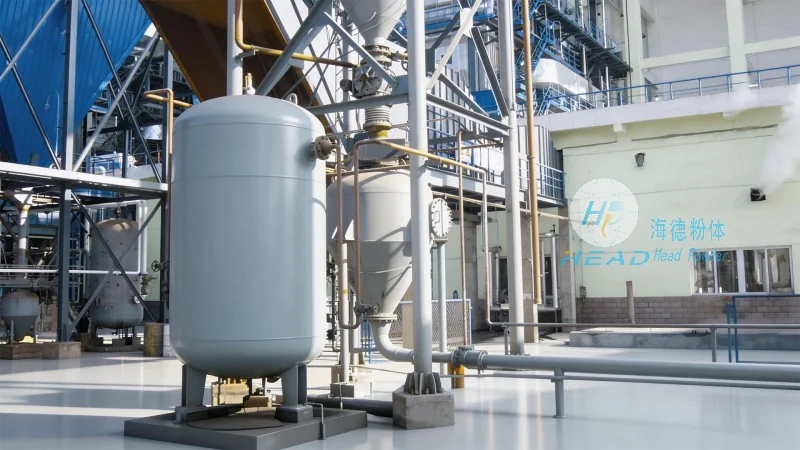
Pipeline blockages occur when dry powder particles accumulate and form a solid plug within the conveying line. This can be caused by several factors, including high moisture content in the material, improper air flow rates, or inadequate pipeline sizing. Blockages not only halt production but also lead to equipment damage and increased energy consumption. Therefore, it is essential to address this challenge proactively through careful system design.
Key Design Parameters to Prevent Blockages
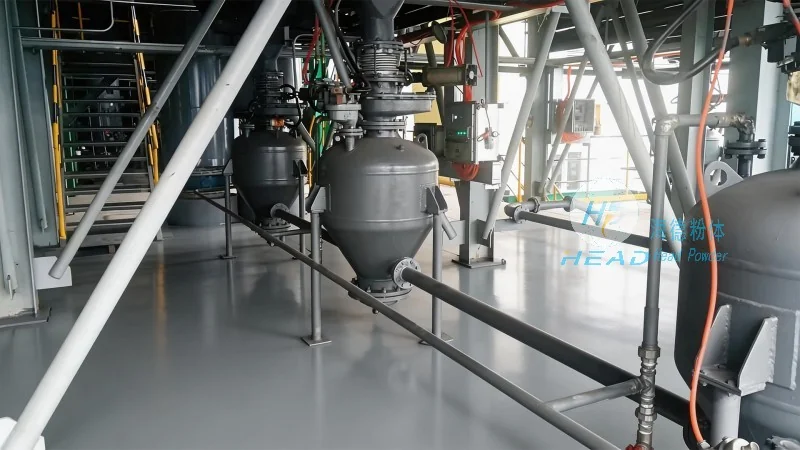
Several key design parameters must be considered to prevent pipeline blockages in pneumatic conveying systems for dry powder mortar. These parameters include:
- Air Flow Rate and Velocity: Maintaining an appropriate air flow rate and velocity is critical. Insufficient air flow can lead to particle settling and blockages, while excessive flow may cause erosion and wear on the pipeline. The velocity should be high enough to keep particles suspended but not so high as to cause excessive pressure drops or energy waste.
- Pipeline Sizing and Layout: The diameter and length of the pipeline, as well as the layout (e.g., vertical vs. horizontal runs), significantly impact system performance. Larger diameter pipes reduce pressure drop and the risk of blockages, while proper slope (for vertical runs) ensures gravity-assisted flow. The layout should minimize sharp turns and bends, as these can cause particle accumulation and blockages.
- Material Properties: Understanding the physical properties of the dry powder, such as particle size distribution, moisture content, and bulk density, is essential. Materials with high moisture content or fine particles are more prone to clumping and blockages. Adjusting the system design based on these properties, such as using heated pipelines to reduce moisture or adding agitators to break up clumps, can improve performance.
- Pressure and Vacuum Systems: The type of conveying system (positive pressure, negative pressure, or mixed) affects the risk of blockages. Positive pressure systems are generally more effective for dry powder mortar, as they provide consistent air flow and pressure. The pressure levels should be optimized to ensure sufficient velocity while minimizing energy consumption.
- Filter and Separator Design: Proper filtration and separation of the conveying air are crucial. Accumulated particles in the filter can cause blockages and reduce system efficiency. Regular maintenance and the use of high-efficiency filters can prevent this issue. Additionally, incorporating a separator to remove large particles before they enter the pipeline can reduce the risk of blockages.
- Material Handling Equipment: The design of the feeders and hoppers used to introduce the dry powder into the system plays a role in preventing blockages. Properly designed feeders ensure a consistent flow rate, preventing surges that can lead to particle accumulation. Hoppers with appropriate venting and agitators can also help maintain material flow.
Company Profile: Shandong HeadPowder Engineering Co., Ltd.
Shandong HeadPowder Engineering Co., Ltd., commonly known as HeadPowder, is a leading provider of pneumatic conveying solutions for the dry powder mortar industry. With a focus on innovation and customer satisfaction, HeadPowder offers comprehensive engineering services, including system design, installation, and maintenance. The company is headquartered in Shandong, China, and has a strong reputation for delivering reliable and efficient solutions that meet the specific needs of its clients. By leveraging advanced technology and expertise, HeadPowder helps businesses in the dry powder mortar sector overcome the challenges of pipeline blockages and improve overall operational efficiency.
Conclusion
Preventing pipeline blockages in pneumatic conveying systems for dry powder mortar requires a systematic approach that considers multiple design parameters. By optimizing air flow rates, pipeline sizing, material properties, and system components, businesses can significantly reduce the risk of blockages and ensure smooth, continuous operation. Companies like Shandong HeadPowder Engineering Co., Ltd. play a vital role in providing the expertise and solutions needed to implement these design principles effectively, supporting the growth and success of the dry powder mortar industry.




