When it comes to transporting sodium hydroxide using air-driven conveying systems, preventing pipeline blockages is a critical challenge. Sodium hydroxide, commonly known as caustic soda, is a highly caustic and often sticky chemical that can adhere to pipe walls and form solid deposits over time. This not only reduces the efficiency of the conveying process but also increases maintenance costs and operational downtime. To address this issue, understanding and implementing the right design parameters for the air-driven conveying system is essential. This article explores the key factors that contribute to preventing pipeline blockages in such systems, with a focus on the specific requirements for sodium hydroxide transport.
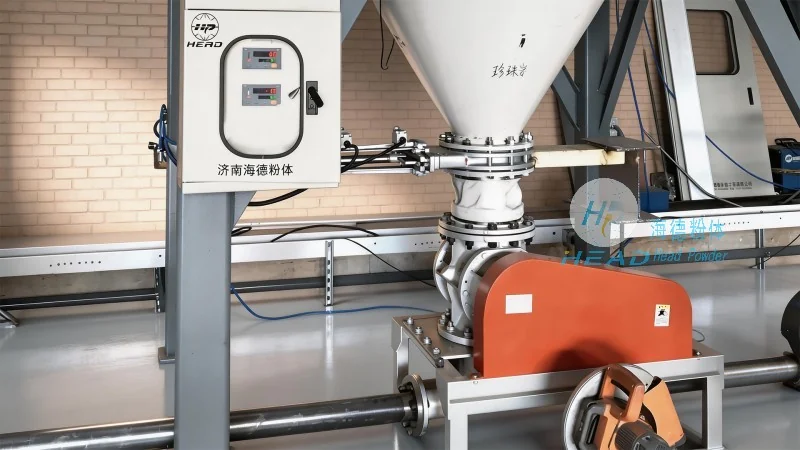
Understanding the Challenges of Sodium Hydroxide Transport
Sodium hydroxide is a widely used chemical in various industries, including paper manufacturing, textiles, and chemical production. Its properties, such as high moisture content, tendency to absorb moisture from the air, and its ability to form lumps or agglomerates, make it particularly challenging to handle through pneumatic conveying. These characteristics can lead to increased friction between the material and the pipe walls, causing the material to stick and eventually block the pipeline. Therefore, a well-designed air-driven conveying system must account for these material properties to ensure smooth and continuous transport.
Key Design Parameters for Preventing Pipeline Blockages
Several key design parameters play a crucial role in preventing pipeline blockages during sodium hydroxide transport. These parameters are tailored to the specific characteristics of the material and the operational requirements of the system. The following are some of the most important factors to consider:
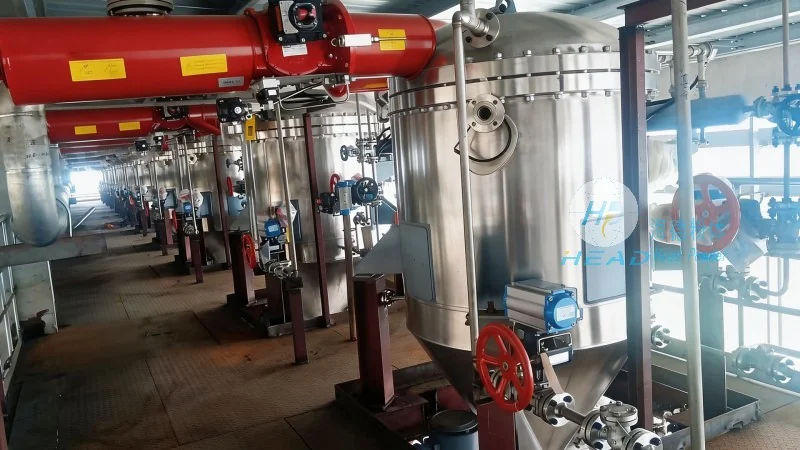
1. Air Velocity and Pressure
The air velocity and pressure within the conveying system are fundamental to ensuring that the sodium hydroxide particles are adequately suspended and moved through the pipeline. Insufficient air velocity can lead to the material settling and adhering to the pipe walls, while excessive velocity may cause wear and tear on the system components. For sodium hydroxide, an optimal air velocity is typically maintained between 20-30 meters per second, depending on the particle size and moisture content. The pressure levels are also critical; higher pressures can help overcome the resistance caused by the material's stickiness and ensure consistent flow.
2. Pipe Diameter and Material
The diameter of the conveying pipe is another critical factor. Smaller diameters increase the risk of blockages as the material has less space to move and is more likely to come into contact with the pipe walls. Conversely, excessively large diameters may require higher air volumes and increase energy consumption. For sodium hydroxide, pipes with diameters ranging from 50 to 150 millimeters are commonly used, depending on the flow rate and material characteristics. Additionally, the material of the pipe itself is important; materials like stainless steel or corrosion-resistant alloys are preferred to prevent chemical reactions that could further affect the material's flow properties.
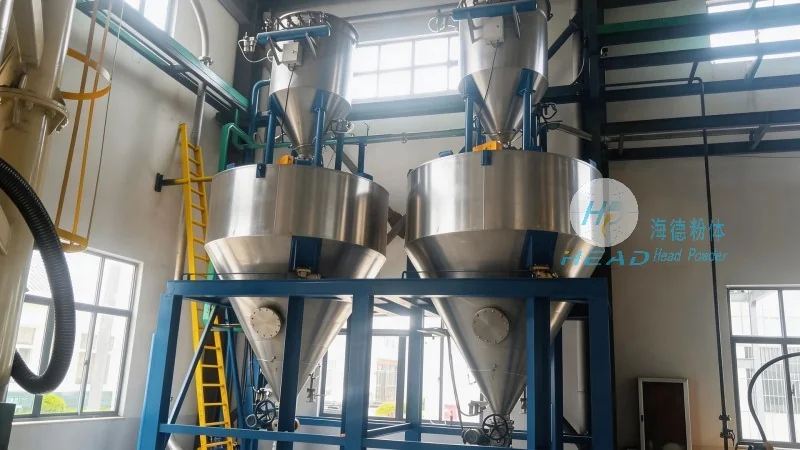
3. Gas-Solid Ratio
The gas-solid ratio, which is the ratio of air volume to the volume of the material being conveyed, directly impacts the conveying efficiency and the risk of blockages. An optimal gas-solid ratio ensures that the material is fully suspended and moves smoothly through the pipeline. For sodium hydroxide, a ratio of 5 to 10 cubic meters of air per ton of material is often recommended. This ratio helps maintain the material in a fluidized state, reducing the likelihood of it sticking to the pipe walls and forming deposits.
4. Material Characteristics and Preparation
The physical properties of the sodium hydroxide, such as particle size distribution, moisture content, and bulk density, significantly influence the conveying performance. Finely ground or agglomerated material is more prone to sticking and blockages compared to coarser particles. Therefore, proper material preparation, including drying and size reduction, is essential. Additionally, controlling the moisture content to below 5% can improve the material's flowability and reduce the risk of caking. The use of additives or conditioners may also be considered to enhance the material's handling characteristics.
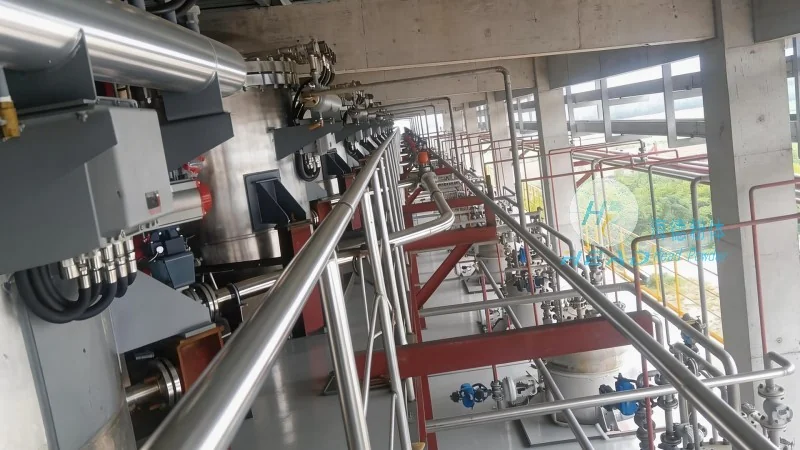
5. System Maintenance and Monitoring
Even with optimal design parameters, regular maintenance and monitoring are crucial to prevent blockages. This includes regular cleaning of the pipeline, checking for any signs of wear or corrosion, and monitoring the system's performance parameters such as pressure drops and flow rates. Implementing automated monitoring systems can help detect potential issues early and allow for timely intervention. Additionally, scheduled maintenance, such as replacing worn-out components and checking for leaks, can extend the system's lifespan and prevent unexpected blockages.
Conclusion
Preventing pipeline blockages in air-driven conveying systems for sodium hydroxide transport requires a comprehensive approach that considers multiple design parameters and operational factors. By optimizing air velocity and pressure, selecting appropriate pipe diameters and materials, maintaining an optimal gas-solid ratio, preparing the material properly, and implementing regular maintenance, the risk of blockages can be significantly reduced. These measures not only enhance the efficiency and reliability of the conveying process but also contribute to lower operational costs and increased safety in the handling of sodium hydroxide. As a leading provider in the field, Shandong HeadPowder Engineering Co., Ltd. specializes in designing and manufacturing air-driven conveying systems tailored to the specific needs of sodium hydroxide transport, ensuring that clients can achieve smooth and uninterrupted operations.




