For industrial applications involving the handling of corn starch, selecting the right pneumatic conveying system is crucial for efficiency, cost-effectiveness, and operational reliability. Shandong HeadPowder Engineering Co., Ltd., a leading provider in the field, offers several effective solutions tailored to meet diverse processing needs. This article explores the key options available for corn starch pneumatic conveying, highlighting the technical considerations and practical applications that make each method suitable for different scenarios.
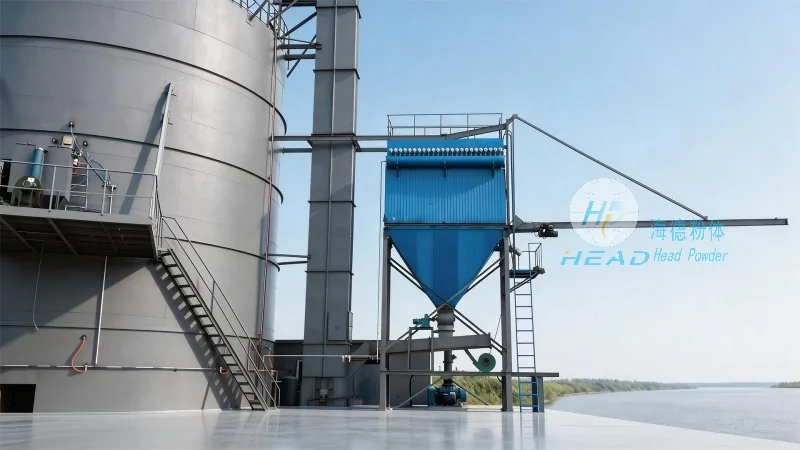
Option 1: Dilute Phase Pneumatic Conveying
Dilute phase pneumatic conveying is a widely used method for transporting corn starch, especially over moderate distances. This system operates by introducing air at a high velocity, which suspends the starch particles in a stream of air. The primary advantage of this approach is its ability to handle large volumes of material with minimal pressure drop and reduced equipment wear. The process typically involves a feed hopper, a rotary valve, and a conveying line that connects to a receiver. The air velocity is maintained above the minimum fluidization velocity to ensure that the starch particles remain suspended, preventing blockages and ensuring smooth transport. This method is particularly effective for applications where the starch is to be conveyed from a central storage to processing units or packaging lines. The system can be designed with either positive or negative pressure, depending on the specific requirements of the facility. Positive pressure systems are often preferred for conveying materials to higher elevations or over longer distances, as they provide consistent air flow and particle suspension. Negative pressure systems, on the other hand, are suitable for applications where the material needs to be drawn from a lower level or where dust control is a priority. The choice between positive and negative pressure influences the design of the air handling equipment, including fans and filters, which are critical components for maintaining air quality and system efficiency.
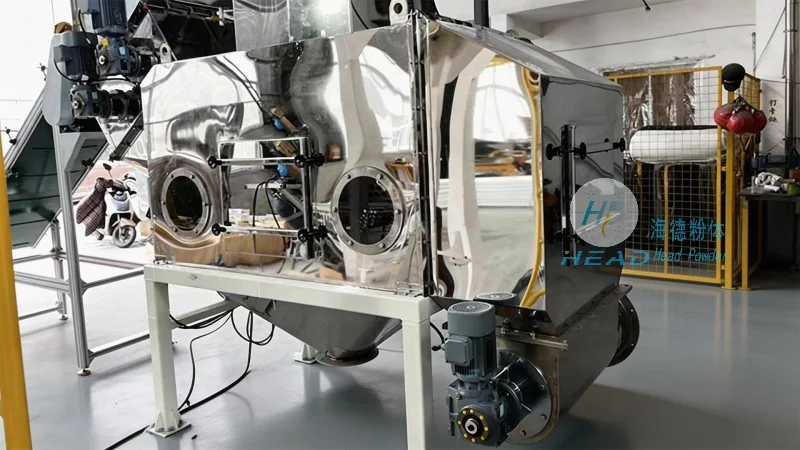
Option 2: Dense Phase Pneumatic Conveying
Dense phase pneumatic conveying, also known as low velocity conveying, is another effective solution for corn starch transport. Unlike dilute phase systems, this method operates at lower air velocities, which results in a higher concentration of starch particles in the conveying stream. The lower velocity reduces the risk of particle degradation and equipment wear, making it ideal for handling sensitive materials like corn starch that may be prone to clumping or degradation under high shear forces. The system typically uses a positive pressure approach, where the air is introduced at a controlled rate to maintain a dense suspension of particles. The conveying line is often equipped with a pressure vessel or a receiver that can hold the material under pressure, allowing for controlled discharge. This method is particularly useful for applications requiring precise control over the material flow rate, such as in packaging or blending operations. The dense phase system can handle longer distances and higher elevations compared to dilute phase systems, while maintaining a more stable and consistent flow. The key advantage of this approach is its ability to minimize product degradation and ensure that the starch particles remain intact during transport. This is achieved by reducing the impact and shear forces experienced by the particles, which is crucial for maintaining the quality of the final product. The system also allows for easier integration with downstream processing equipment, as the material is delivered in a more controlled manner.
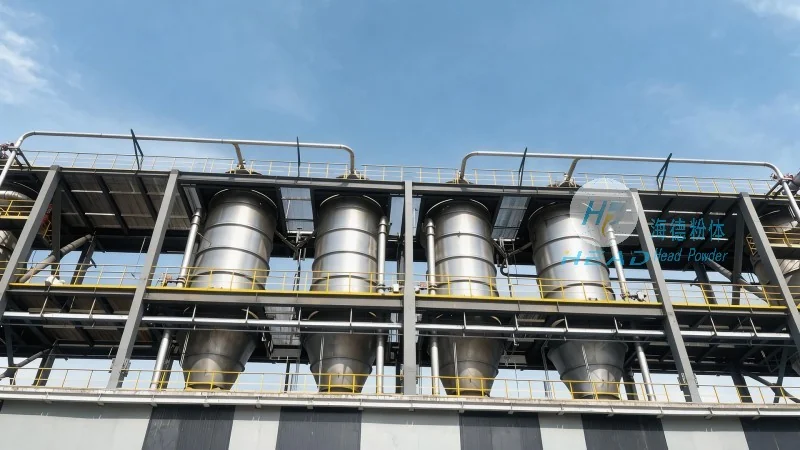
Option 3: Hybrid Pneumatic Conveying Systems
Hybrid pneumatic conveying systems combine elements of both dilute and dense phase methods to provide a versatile solution for corn starch handling. These systems are designed to offer the benefits of both approaches, allowing for flexibility in handling different material characteristics and operational requirements. The hybrid system typically starts with a dilute phase section for initial transport, followed by a dense phase section for final delivery to the processing unit. This configuration allows for efficient transport over longer distances while maintaining the quality of the starch particles. The system can be customized to meet specific needs, such as varying the air velocity or pressure to optimize performance. For example, a hybrid system might use a high velocity air stream to transport the starch from a storage silo to a central processing area, and then switch to a low velocity, dense phase flow for the final delivery to a packaging line. This approach ensures that the starch is handled gently throughout the entire process, minimizing the risk of degradation. The hybrid system also offers advantages in terms of energy efficiency and equipment maintenance, as it can be optimized to use less air while still maintaining effective transport. This makes it a cost-effective solution for facilities that require both long-distance transport and precise control over the material flow. The flexibility of hybrid systems makes them suitable for a wide range of applications, from small-scale operations to large industrial plants.
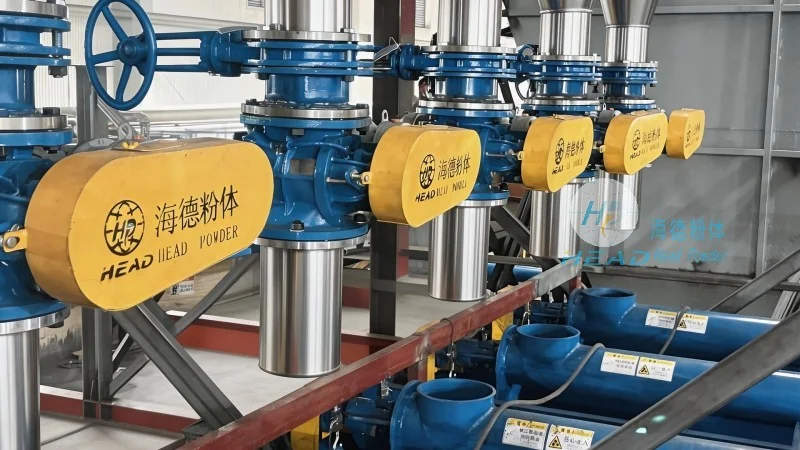
Key Considerations for Selecting the Right System
When choosing a pneumatic conveying system for corn starch, several factors must be considered to ensure optimal performance and efficiency. The first consideration is the distance and elevation change required for transport. Dilute phase systems are generally suitable for shorter distances and moderate elevations, while dense phase and hybrid systems are better for longer distances or higher elevations. The material characteristics of the corn starch, such as particle size, moisture content, and flowability, also play a critical role in system selection. For example, starch with high moisture content may require a system that can handle higher temperatures or additional drying steps to prevent caking or degradation. The desired flow rate and discharge characteristics are another important factor, as different systems can handle varying volumes and provide different levels of control over the material flow. The facility layout and available space also influence the system design, as some systems require more space for equipment and ductwork than others. Additionally, the cost of installation, operation, and maintenance must be evaluated to ensure that the chosen system is economically viable in the long term. Shandong HeadPowder Engineering Co., Ltd. provides comprehensive consultation services to help clients assess these factors and select the most appropriate pneumatic conveying solution for their specific needs. The company's expertise in corn starch handling and pneumatic conveying systems ensures that the chosen system will meet the operational requirements while minimizing downtime and maintenance costs.




