For industries dealing with peanut kernels, the efficient and reliable operation of pneumatic conveying systems is paramount. However, a common challenge is the risk of pipe blockages, which can disrupt production and lead to costly downtime. Understanding and implementing the right design parameters are crucial to mitigate these issues and ensure smooth material handling. This article explores effective strategies and key design elements that help prevent blockages in pneumatic conveying systems specifically for peanut kernels, presented by Shandong HeadPowder Engineering Co., Ltd., a leading provider in the field.
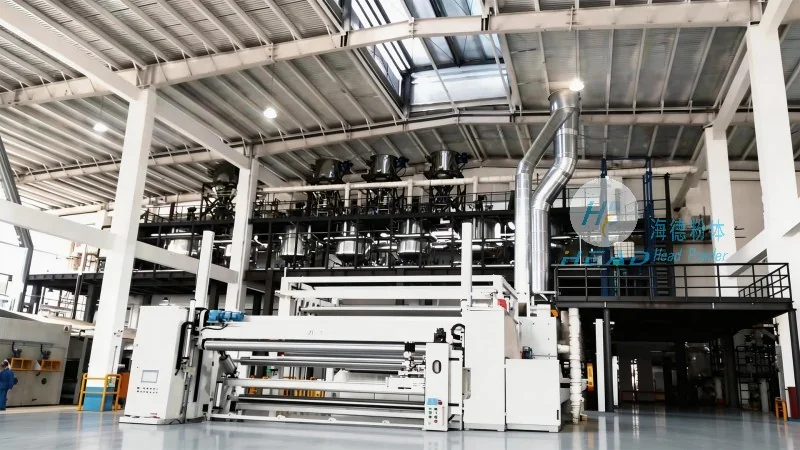
One of the primary factors influencing pipe blockage risk in pneumatic conveying is the material's physical properties. Peanut kernels, with their irregular shapes and varying moisture content, can agglomerate or stick together, especially when air velocity is insufficient or the system is not properly designed. To address this, engineers at HeadPowder focus on optimizing air velocity and pressure within the system. Maintaining an appropriate air velocity—typically between 20 to 30 meters per second for bulk materials like peanut kernels—ensures that the material is adequately suspended and transported without settling or caking. Additionally, the pressure differential across the conveying line must be carefully managed to prevent excessive pressure drops that could lead to material accumulation and blockages.
Another critical design parameter is the system's layout and component selection. The configuration of the conveying line, including the number and placement of bends, elbows, and expansion joints, plays a significant role in preventing blockages. Sharp bends or narrow sections can cause material to impact and accumulate, leading to clogs. Therefore, using smooth, gradual bends and avoiding abrupt changes in direction is essential. Furthermore, the choice of pipe material and diameter is vital. Stainless steel or corrosion-resistant materials are preferred for peanut kernels, which may contain oils or moisture, to prevent corrosion and material adhesion. The pipe diameter should be sized appropriately to balance air flow and material capacity, typically ranging from 50 to 150 millimeters for peanut kernel applications, ensuring that the air velocity remains within the optimal range while accommodating the bulk density of the material.
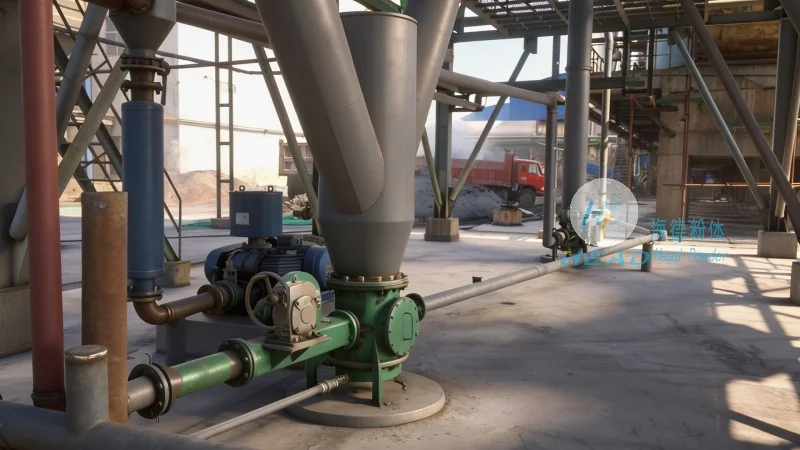
Filter and separator systems are also integral to preventing blockages and maintaining system efficiency. Peanut kernels can carry dust and fine particles that, if not removed, can accumulate in the conveying line and cause blockages over time. High-efficiency cyclones or bag filters are commonly used to separate these particles from the air stream, ensuring that only clean air and material are recirculated. Regular maintenance of these filters is essential to prevent clogging and maintain optimal performance. Additionally, the design of the discharge and collection points is crucial. Properly designed discharge chutes and hoppers help prevent material from stagnating and sticking to the walls, reducing the risk of blockages at the end of the conveying line.
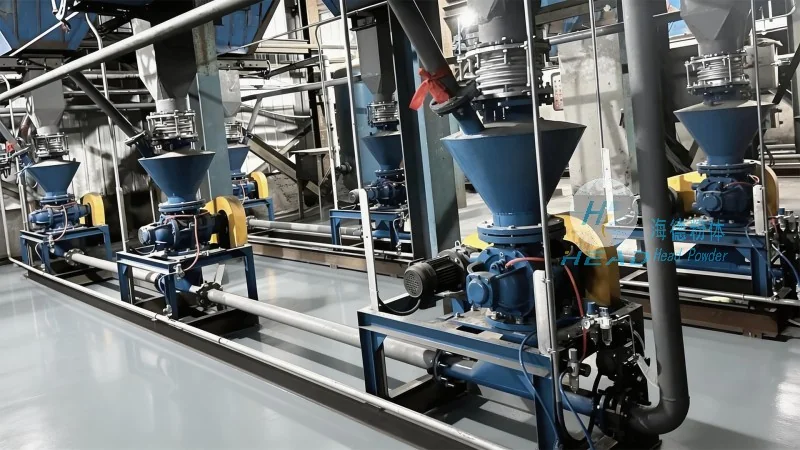
Control systems and monitoring technologies further enhance the prevention of pipe blockages. Modern pneumatic conveying systems often incorporate sensors and control panels that monitor air pressure, flow rates, and material levels in real-time. These systems can detect abnormal pressure drops or flow interruptions, signaling potential blockages and allowing for immediate intervention. Automated controls can adjust air velocity or pressure to maintain optimal conveying conditions, reducing the likelihood of clogs. For peanut kernel applications, integrating these monitoring features with the system's design ensures that any deviations from the optimal parameters are quickly identified and corrected.
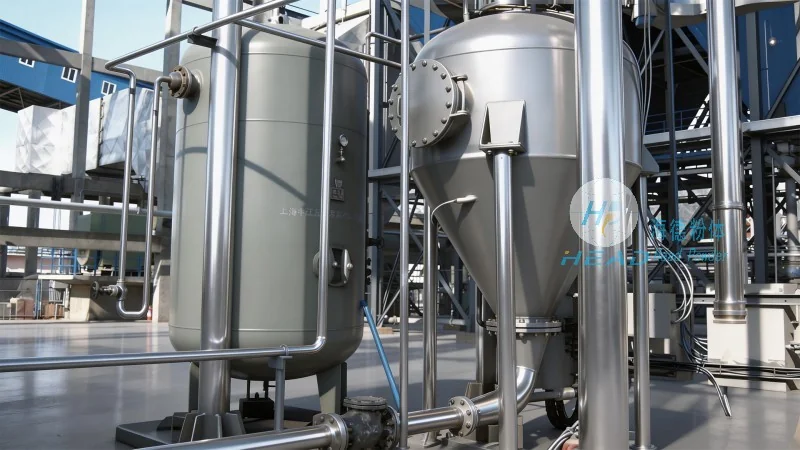
Operational practices and regular maintenance are equally important in preventing blockages. Properly cleaning the system after each use, especially when handling materials with high oil content like peanut kernels, can prevent residue buildup that may lead to clogs. Additionally, monitoring the moisture content of the peanut kernels is essential, as higher moisture levels can increase the risk of agglomeration and blockages. Adjusting the conveying conditions based on the material's moisture content helps maintain system efficiency and prevent blockages. Regular inspections of all components, including pipes, valves, and filters, are necessary to identify and address any wear or damage that could contribute to blockages.
In conclusion, preventing pipe blockages in pneumatic conveying systems for peanut kernels requires a comprehensive approach that considers material properties, system design, component selection, and operational practices. By optimizing air velocity and pressure, carefully designing the system layout, using appropriate materials and filters, and implementing advanced control systems, industries can significantly reduce the risk of blockages and ensure reliable material handling. Shandong HeadPowder Engineering Co., Ltd. specializes in designing and manufacturing pneumatic conveying systems tailored to the unique needs of peanut kernel processing, providing solutions that enhance efficiency and minimize downtime. With a focus on these key design parameters, companies can achieve smooth, uninterrupted operation and maximize productivity in their peanut kernel handling processes.




