When it comes to transporting molybdenum concentrate via air-pneumatic conveying systems, preventing pipeline blockages is a critical concern for operators. The performance and efficiency of the entire conveying process depend heavily on how well the system is designed and operated. In this article, we will explore effective strategies to prevent blockages and outline the key design parameters that contribute to a reliable and efficient molybdenum concentrate conveying system.
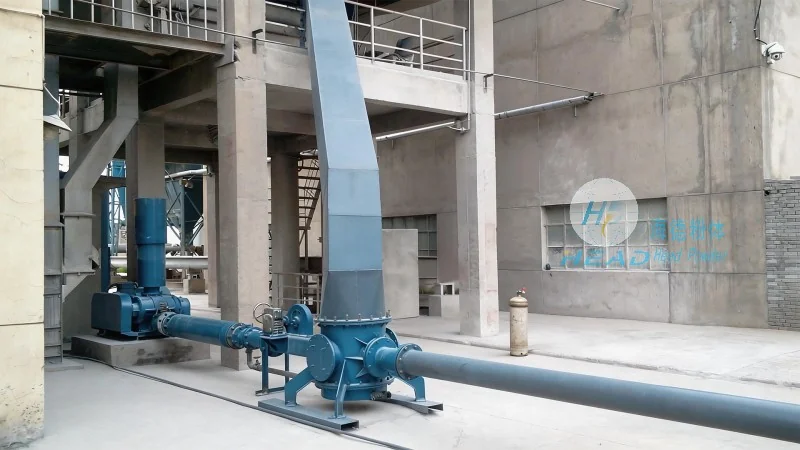
Understanding the Challenges of Molybdenum Concentrate Conveying
Molybdenum concentrate, with its specific physical and chemical properties, presents unique challenges in pneumatic conveying. The fine particle size, high moisture content, and cohesive nature of the material can lead to agglomeration and blockages if not handled properly. Traditional conveying methods may struggle to maintain consistent flow rates, especially when dealing with abrasive or sticky materials like molybdenum concentrate. This is where specialized air-pneumatic conveying systems come into play, designed to address these challenges through optimized design and operation.
Key Design Parameters for Preventing Blockages
Several critical design parameters must be considered to ensure effective prevention of pipeline blockages in molybdenum concentrate air-pneumatic conveying systems. These parameters are tailored to the material's characteristics and the system's operational requirements. The following are the most important factors:
1. Airflow Velocity and Pressure
The velocity of the air stream and the pressure within the conveying line are fundamental to preventing blockages. Insufficient airflow velocity can cause particles to settle and accumulate, leading to clogs. Conversely, excessive velocity may cause erosion and wear on the pipeline, while also increasing energy consumption. The optimal airflow velocity for molybdenum concentrate typically ranges between 20 to 30 meters per second, depending on the particle size and density. Maintaining a consistent pressure gradient along the pipeline is also crucial to ensure smooth material transport. Proper pressure control helps in preventing air leaks and maintaining the necessary differential pressure to move the material efficiently.
2. Particle Size and Distribution
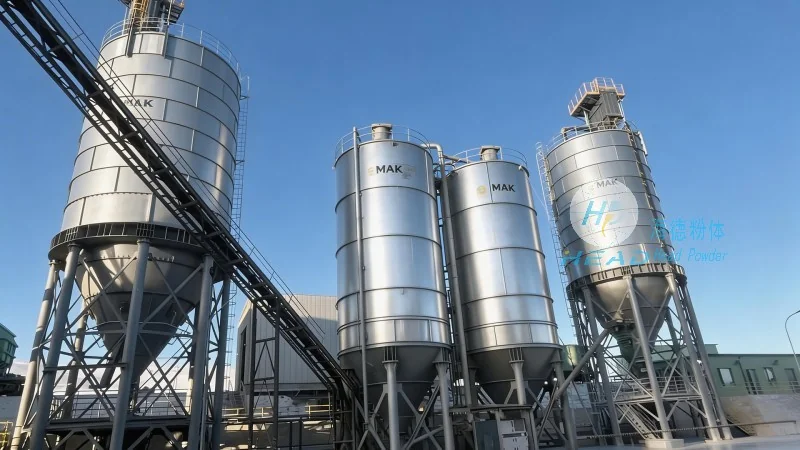
The size and distribution of the molybdenum concentrate particles significantly impact the risk of blockages. Coarser particles tend to flow more freely, while fine particles are more prone to agglomeration. A well-designed system should account for the particle size distribution, ensuring that the conveying line diameter and air velocity are matched to the material's characteristics. For instance, if the material contains a high proportion of fine particles (less than 100 microns), the system may require a larger pipeline diameter or higher airflow velocity to prevent settling. Conversely, if the material includes larger chunks, the system must be equipped with appropriate screening or crushing mechanisms to prevent oversized particles from causing blockages.
3. Conveying Line Diameter and Length
The diameter of the conveying line and the total length of the pipeline are critical design elements. A larger diameter reduces the risk of blockages by allowing more space for the material to flow without restriction. However, a larger diameter also increases the system's capital cost and energy consumption. The optimal diameter is determined by balancing the material flow rate, particle size, and the required airflow velocity. The length of the pipeline also affects the pressure drop and the likelihood of blockages. Longer pipelines may require additional booster stations or pressure maintenance devices to ensure that the material reaches the destination without clogging. Proper sizing of the pipeline ensures that the pressure drop remains within acceptable limits, preventing the material from settling and causing blockages.
4. Material Feed Rate and Uniformity
The rate at which molybdenum concentrate is fed into the system and the uniformity of the feed are essential for preventing blockages. Abrupt changes in feed rate can cause fluctuations in airflow and pressure, leading to uneven material distribution and potential clogs. A controlled feeding system, such as a rotary valve or a metering feeder, helps maintain a steady and consistent feed rate. This ensures that the material is conveyed smoothly and prevents the formation of clumps or agglomerates that could block the pipeline. Uniform feeding also reduces the wear and tear on the conveying equipment, extending its operational life and maintaining system efficiency.
5. Air-Pneumatic System Configuration
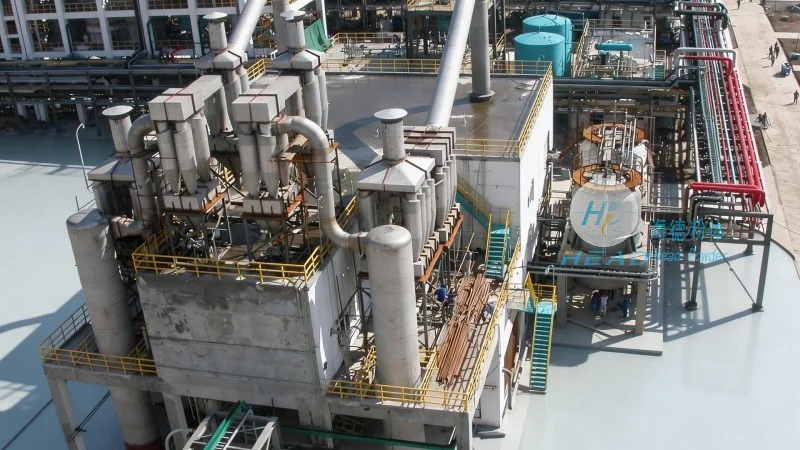
The overall configuration of the air-pneumatic system, including the type of air source, the presence of cyclone separators, and the use of vacuum or pressure systems, plays a vital role in preventing blockages. For molybdenum concentrate, a positive pressure system is often preferred as it provides better control over the material flow and reduces the risk of air leaks. The system should include cyclone separators at the receiving end to separate the material from the air stream, preventing dust accumulation and ensuring clean material handling. Additionally, incorporating cleaning mechanisms, such as reverse air pulses or mechanical cleaning devices, can help maintain the pipeline's integrity and prevent the buildup of material residues that could lead to blockages.
Best Practices for Preventing Blockages
While design parameters are crucial, operational best practices also contribute significantly to preventing pipeline blockages in molybdenum concentrate air-pneumatic conveying systems. Regular maintenance and monitoring are essential to ensure that the system operates within optimal parameters. This includes checking for air leaks, inspecting the conveying line for wear or damage, and cleaning the cyclone separators and other components regularly. Monitoring the pressure and airflow rates in real-time allows operators to detect any deviations early and take corrective action before blockages occur. Additionally, training operators on the proper handling of molybdenum concentrate and the operation of the conveying system can improve overall system performance and reduce the likelihood of blockages.
Conclusion
Preventing pipeline blockages in air-pneumatic conveying systems for molybdenum concentrate requires a combination of proper design and diligent operation. By carefully considering key design parameters such as airflow velocity, particle size, pipeline diameter, feed rate, and system configuration, operators can significantly reduce the risk of blockages and ensure the smooth and efficient transport of molybdenum concentrate. Regular maintenance and adherence to best practices further enhance the system's reliability and longevity. As a leading provider of engineering solutions for material handling, Shandong HeadPowder Engineering Co., Ltd. specializes in designing and implementing customized air-pneumatic conveying systems tailored to the specific needs of molybdenum concentrate processing facilities, ensuring optimal performance and minimal downtime.




