Carbon black powder is a critical raw material in various industrial applications, including rubber, plastics, and pigments. The efficient and reliable transport of carbon black powder from storage to processing units is essential for maintaining production efficiency and minimizing downtime. Pneumatic conveying systems have emerged as a preferred method for handling carbon black powder due to their ability to transport materials in a closed system, reducing dust emissions and improving safety. However, a common challenge in pneumatic conveying is the risk of pipeline blockages, which can lead to system failures and costly repairs. Understanding the key design parameters that prevent blockages is crucial for optimizing the performance of carbon black powder conveying systems.
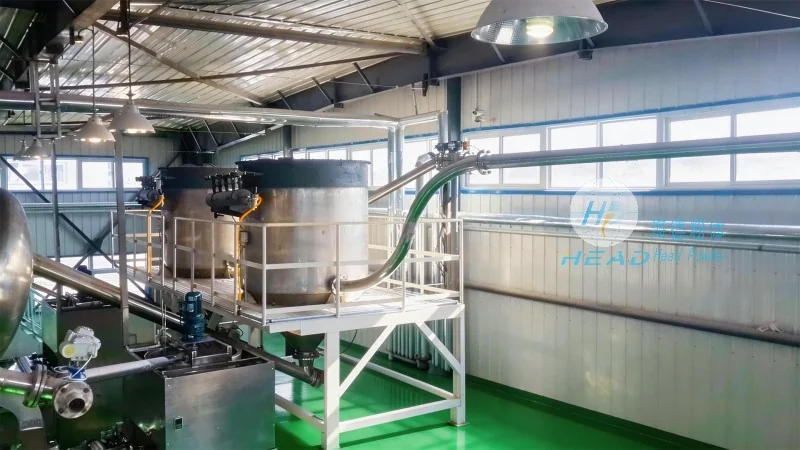
Understanding the Risks of Pipeline Blockages in Carbon Black Powder Conveying
Pipeline blockages in pneumatic conveying systems occur when the carbon black powder particles accumulate and form a solid plug within the pipeline. This can be caused by several factors, including excessive moisture content in the powder, high particle size variability, or inadequate air velocity. Blockages can lead to increased pressure drops, reduced system capacity, and even equipment damage if not addressed promptly. Preventing blockages requires a comprehensive approach that considers the physical properties of the carbon black powder and the design of the conveying system.
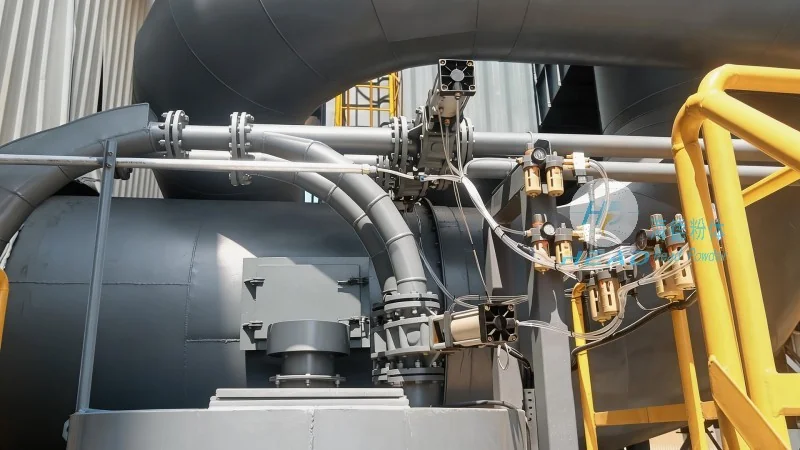
Key Design Parameters for Preventing Pipeline Blockages
Several critical design parameters must be carefully considered when designing a pneumatic conveying system for carbon black powder to minimize the risk of blockages. These parameters include:
- Air Velocity and Flow Rate: Maintaining an appropriate air velocity is essential to ensure that the carbon black powder particles are fully entrained and transported without settling. The air velocity should be sufficient to overcome the gravitational forces acting on the particles but not so high as to cause excessive wear on the system components. The flow rate of the air must be matched to the material flow rate to maintain a stable conveying condition.
- Pipeline Diameter and Length: The diameter of the pipeline is a key factor in determining the pressure drop and the risk of blockages. A larger diameter reduces the velocity of the powder-air mixture, which can help prevent particle agglomeration. However, a larger diameter also increases the cost of the system. The length of the pipeline should be optimized to minimize the overall pressure drop while ensuring that the material is conveyed within the acceptable time frame.
- Pressure and Vacuum Levels: The pressure or vacuum level used in the conveying system affects the air velocity and the ability to transport the carbon black powder. Higher pressure systems are typically used for long-distance conveying, while vacuum systems are suitable for short-distance or horizontal conveying. The pressure level must be sufficient to maintain the flow of the powder but not so high as to cause excessive energy consumption or equipment stress.
- Powder Properties and Moisture Content: The physical properties of the carbon black powder, such as particle size distribution, density, and moisture content, significantly impact the conveying performance. High moisture content can cause the powder to clump together, leading to blockages. Therefore, it is essential to control the moisture content of the carbon black powder before it enters the conveying system. Additionally, the particle size distribution should be uniform to ensure consistent conveying characteristics.
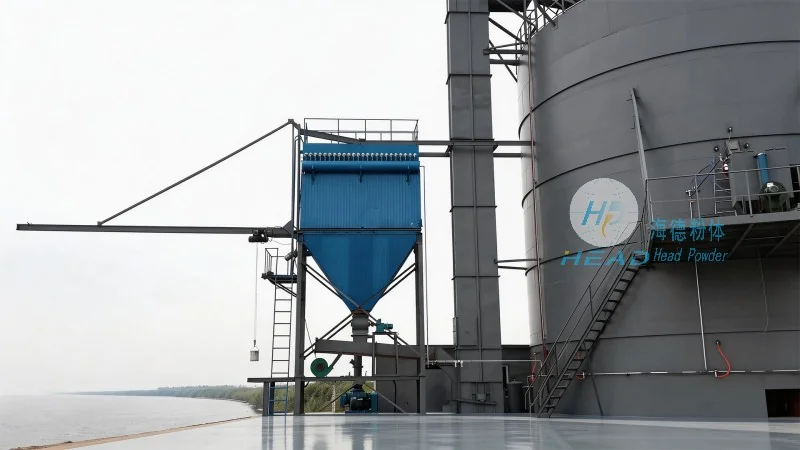
- System Configuration and Components: The configuration of the pneumatic conveying system, including the type of feeder, cyclone separator, and filter, plays a vital role in preventing blockages. The feeder should be designed to provide a consistent flow of carbon black powder into the system, while the cyclone separator should be sized appropriately to handle the material without causing clogging. The filter should be capable of capturing fine particles without becoming blocked, ensuring the system operates efficiently.
Optimizing Pneumatic Conveying Systems with HeadPowder Engineering
Shandong HeadPowder Engineering Co., Ltd. specializes in the design, manufacturing, and installation of pneumatic conveying systems tailored to the unique requirements of carbon black powder handling. With years of experience in the industry, HeadPowder understands the critical factors that contribute to efficient and reliable carbon black powder transport. The company's engineers work closely with clients to assess their specific needs, including the characteristics of the carbon black powder, the distance and layout of the conveying system, and the desired production capacity. By considering all relevant design parameters, HeadPowder ensures that the final system is optimized to prevent blockages and minimize downtime.
HeadPowder's approach to system design involves a thorough analysis of the material properties and the operational conditions. The company uses advanced simulation tools to model the pneumatic conveying process and predict potential issues before the system is built. This allows for adjustments to be made to the design parameters, such as air velocity, pipeline diameter, and pressure levels, to ensure optimal performance. The result is a customized pneumatic conveying system that meets the client's requirements while minimizing the risk of blockages and ensuring long-term reliability.
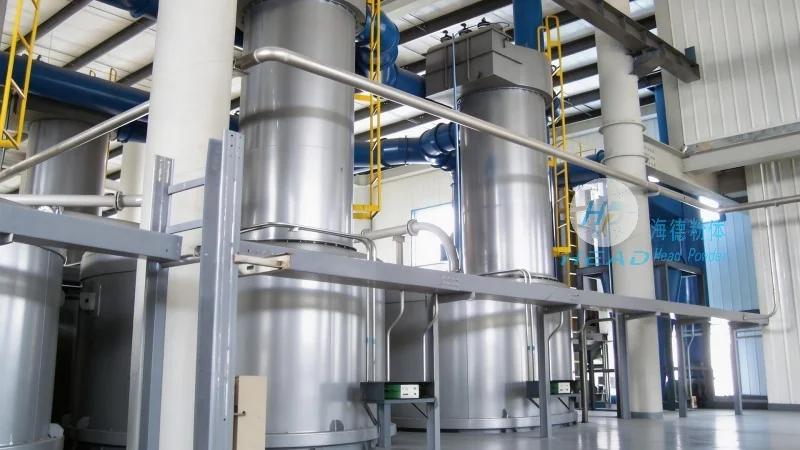
HeadPowder's commitment to quality and customer satisfaction is reflected in the company's rigorous testing and quality control processes. Each pneumatic conveying system is tested under simulated operating conditions to verify its performance and identify any potential issues. The company also provides ongoing support and maintenance services to ensure that the system continues to operate efficiently over its lifespan. By partnering with HeadPowder, clients can rely on a proven solution for carbon black powder transport that is designed to prevent blockages and deliver consistent performance.




