For industrial operations involving the handling of silica powder, the efficiency and reliability of material transport are critical. Pneumatic conveying systems have emerged as a preferred method for transporting such powders due to their ability to handle fine particles and minimize contamination. However, a common challenge in these systems is the risk of pipeline blockages, which can lead to operational disruptions and increased maintenance costs. Understanding the factors that contribute to blockages and implementing appropriate design parameters is essential for ensuring smooth and continuous operation. This article explores the key considerations and design parameters for preventing pipeline blockages in pneumatic conveying systems when handling silica powder, with insights from Shandong HeadPowder Engineering Co., Ltd., a leading provider in the field.
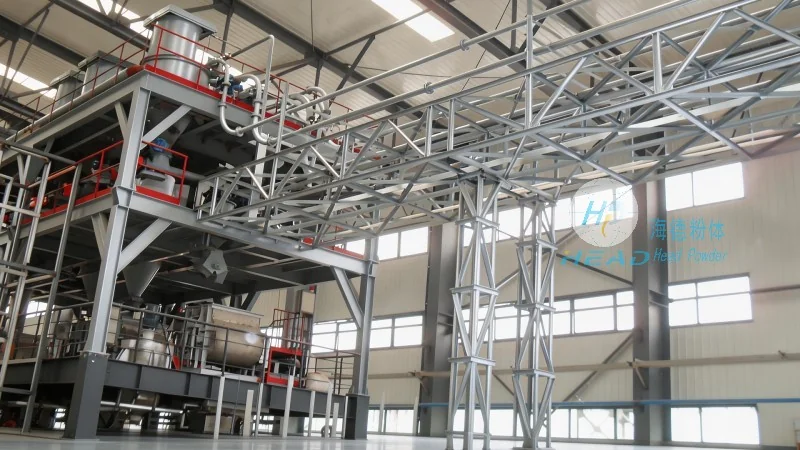
Understanding Silica Powder Characteristics and Their Impact on Conveying
Silica powder, also known as silicon dioxide (SiO₂), is a fine, abrasive material commonly used in various industries, including construction, electronics, and pharmaceuticals. Its properties, such as high density, low moisture content, and fine particle size, make it prone to agglomeration and caking when exposed to air or moisture. These characteristics significantly influence the behavior of the powder within a pneumatic conveying system. For instance, silica powder can settle quickly in vertical or horizontal pipelines, leading to the formation of deposits that obstruct the flow. Additionally, the abrasive nature of silica can wear down pipeline components over time, further exacerbating blockage risks. Therefore, it is crucial to consider the physical and chemical properties of silica powder when designing a pneumatic conveying system to mitigate these issues.
Common Causes of Pipeline Blockages in Silica Powder Conveying
Pipeline blockages in pneumatic conveying systems can arise from several factors, each requiring specific attention during system design. One primary cause is the formation of "plug" or "rathole" blockages, where the powder accumulates at low points in the pipeline, creating a solid mass that prevents the flow of air and material. This often occurs due to uneven distribution of the powder or insufficient air velocity to maintain a fluidized state. Another common issue is the buildup of moisture or contaminants on the pipeline walls, which can cause the silica powder to adhere and form a sticky layer that gradually thickens into a blockage. Additionally, the presence of foreign particles or debris in the powder stream can act as nucleation sites for agglomeration, leading to larger clumps that are difficult to dislodge. Understanding these causes helps in selecting appropriate design measures to prevent them.
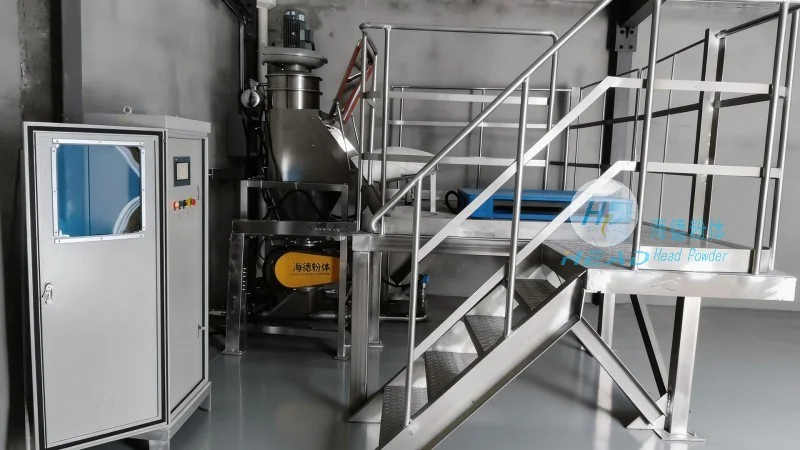
Key Design Parameters for Preventing Blockages in Pneumatic Conveying Systems
Several key design parameters are critical in preventing pipeline blockages when conveying silica powder. The first is the air velocity, which must be maintained at a level sufficient to keep the powder in a fluidized state throughout the entire pipeline. For silica powder, typical conveying velocities range from 20 to 30 meters per second in horizontal pipelines and higher in vertical sections to counteract gravity. The air velocity must be carefully calculated based on the powder's bulk density, particle size distribution, and the system's layout to ensure that the powder remains suspended and does not settle. Another important parameter is the pipeline diameter and length. Larger diameters reduce the frictional losses and the risk of particle accumulation, while shorter pipelines minimize the distance over which the powder can settle. However, the diameter must be balanced against the system's capacity and the available space, as overly large pipes can increase costs and energy consumption. The pipeline material also plays a significant role; materials such as stainless steel or PTFE-coated pipes are preferred for their resistance to abrasion and corrosion, which helps prevent the formation of deposits that can lead to blockages.
System Configuration and Control Strategies
The configuration of the pneumatic conveying system, including the type of air supply and the arrangement of components, also impacts the risk of blockages. Positive pressure systems, where air is supplied to the material stream, are generally more effective for conveying fine powders like silica because they maintain a consistent flow and prevent the powder from settling in the line. In contrast, negative pressure systems can be prone to blockages due to the lower air velocity and the risk of suction-induced agglomeration. The placement of components such as cyclones, filters, and valves is also critical. Properly sized and positioned cyclones help separate the powder from the air stream, preventing excessive moisture or debris from entering the pipeline. Additionally, incorporating automatic control systems that monitor pressure, flow, and temperature can provide early warnings of potential blockages, allowing for timely intervention. For example, a pressure sensor can detect a sudden drop in pressure, indicating a blockage, and trigger an alarm or a system shutdown to prevent further damage.
Maintenance and Operational Practices to Minimize Blockages
While proper design is essential, regular maintenance and operational practices are equally important in preventing pipeline blockages. Routine cleaning of the pipeline and components is necessary to remove any accumulated deposits or debris. This can be done using methods such as air blow-back, mechanical scraping, or chemical cleaning, depending on the system's design and the severity of the blockage. Additionally, monitoring the moisture content of the silica powder is crucial, as high moisture levels can lead to caking and blockages. Using desiccants or drying agents to reduce moisture content before conveying can significantly improve system performance. Furthermore, training operators on proper system operation and maintenance can help identify and address issues before they escalate into major blockages. Regular inspections of pipeline wear and tear can also help in identifying areas that are prone to damage, allowing for timely replacement of worn components.
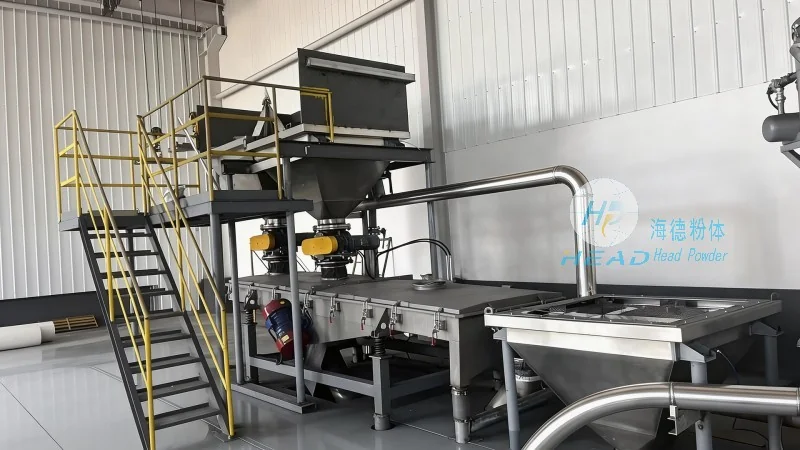
Case Study: Successful Implementation by Shandong HeadPowder Engineering Co., Ltd.
Shandong HeadPowder Engineering Co., Ltd., a reputable company specializing in pneumatic conveying solutions, has successfully implemented systems to prevent blockages in silica powder handling. One of their projects involved conveying silica powder from a storage silo to a processing plant over a distance of 500 meters. The system was designed with a positive pressure configuration, using stainless steel pipes with a diameter of 150 mm. The air velocity was maintained at 25 meters per second, ensuring that the powder remained fluidized throughout the pipeline. The system included cyclones and filters to remove moisture and debris, and an automatic control system to monitor pressure and flow. Over the course of operation, the system has demonstrated high reliability, with minimal instances of blockages. The company's expertise in material handling and system design played a key role in achieving this success, highlighting the importance of considering all relevant factors when designing pneumatic conveying systems for silica powder.
Conclusion: Ensuring Efficient and Reliable Silica Powder Conveying
Preventing pipeline blockages in pneumatic conveying systems for silica powder requires a comprehensive approach that considers the material's properties, system design, and operational practices. By implementing appropriate design parameters such as optimal air velocity, suitable pipeline dimensions and materials, and effective system configuration, the risk of blockages can be significantly reduced. Additionally, regular maintenance and monitoring, along with proper operational practices, help maintain the system's efficiency and longevity. As a leading provider in the field, Shandong HeadPowder Engineering Co., Ltd. offers tailored solutions that address the specific challenges of silica powder handling, ensuring that industrial operations can achieve smooth and continuous material transport. By prioritizing these design and operational considerations, companies can minimize downtime, reduce maintenance costs, and enhance overall productivity in their silica powder conveying processes.




