When it comes to transporting coal and sand using pneumatic conveying systems, preventing pipeline blockages is a critical challenge that impacts operational efficiency and system reliability. The design of these systems requires careful consideration of several key parameters to ensure smooth material flow and minimize downtime. This article explores effective strategies to prevent blockages and highlights the essential design parameters that contribute to the successful operation of pneumatic conveying systems for coal and sand applications.
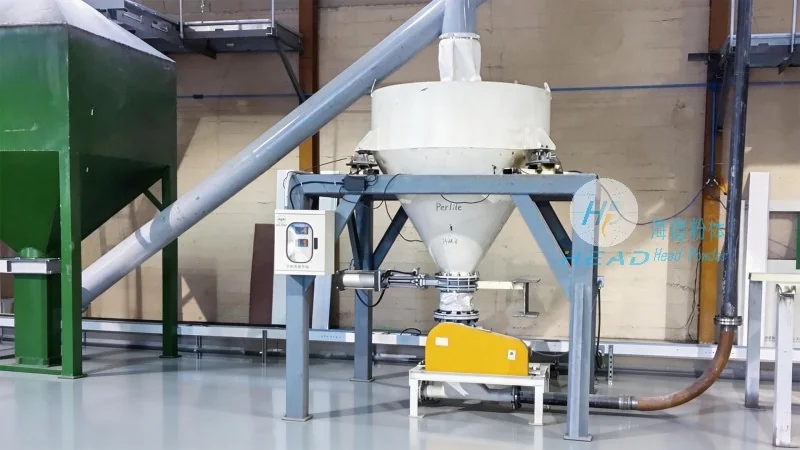
Understanding the Risks of Pipeline Blockages in Coal and Sand Conveying
Pipeline blockages in pneumatic conveying systems can result from various factors, including material properties, system design, and operational conditions. Coal and sand are often abrasive and can cause wear on system components, while their particle size distribution and moisture content can lead to agglomeration or bridging within the pipeline. These issues not only reduce the system's throughput but also increase maintenance costs and potential safety hazards. Therefore, implementing robust prevention measures is essential for maintaining optimal performance.
Key Design Parameters for Preventing Blockages in Pneumatic Conveying Systems
Several critical design parameters play a vital role in preventing pipeline blockages in coal and sand conveying systems. These parameters are carefully selected and optimized to address the unique challenges posed by the materials being transported. The following sections outline the most important considerations:
1. Material Properties and Particle Size Distribution
The physical characteristics of coal and sand, such as particle size, density, and moisture content, directly influence the risk of blockages. Coarse or irregularly shaped particles may cause turbulence and increased friction within the pipeline, leading to potential blockages. To mitigate this, it is essential to analyze the material's particle size distribution and select appropriate system components, such as hopper designs and air velocity settings, that accommodate the material's flow characteristics. For example, using a hopper with a larger discharge opening and a smooth interior surface can reduce the likelihood of material bridging.
2. Air Velocity and Pressure Settings
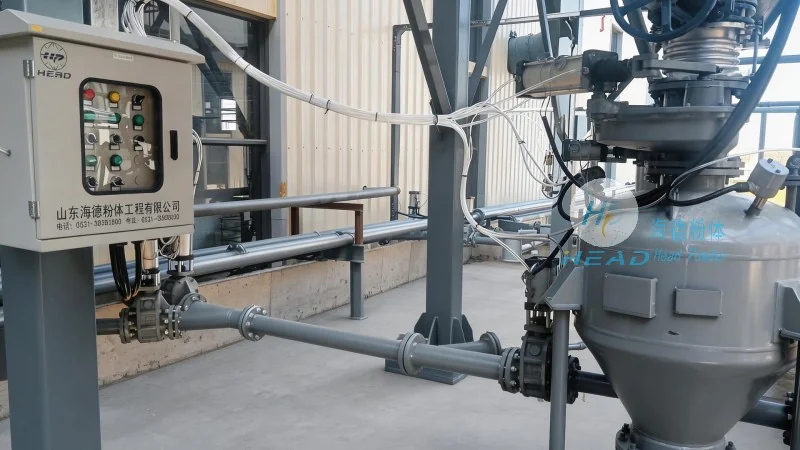
Optimizing air velocity and pressure is a fundamental aspect of preventing blockages in pneumatic conveying systems. Insufficient air velocity may result in insufficient material suspension, causing particles to settle and accumulate within the pipeline. Conversely, excessively high air velocity can lead to increased energy consumption and potential wear on system components. The ideal air velocity for coal and sand conveying typically ranges between 20 to 30 meters per second, depending on the material's density and particle size. Proper pressure control, often achieved through variable frequency drives (VFDs) or pressure regulators, ensures consistent material flow and prevents pressure surges that could cause blockages.
3. System Configuration and Pipeline Layout
The overall system configuration, including pipeline length, diameter, and layout, significantly impacts the risk of blockages. Long, horizontal pipelines are more prone to blockages due to the natural tendency of particles to settle under gravity. Therefore, incorporating vertical sections or inclines in the pipeline design can help maintain material suspension and reduce the likelihood of agglomeration. Additionally, using smooth, corrosion-resistant materials for pipeline construction, such as stainless steel or polyethylene, minimizes friction and wear, which can contribute to blockages over time. Properly designed bends and elbows with minimal radius are also crucial to avoid material accumulation at low points.
4. Hopper and Feed System Design
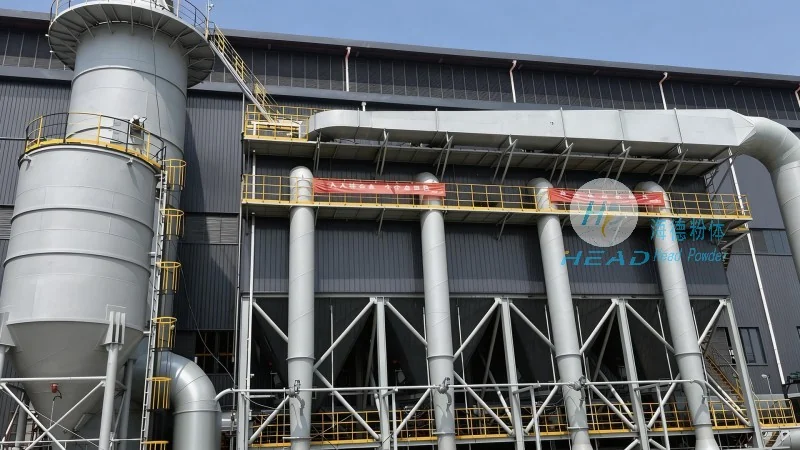
The hopper and feed system are critical components that directly affect the initial material flow into the conveying system. A poorly designed hopper may cause material bridging or rat-holing, leading to blockages at the inlet. To prevent this, hoppers should be designed with a conical or wedge-shaped bottom to facilitate uniform material discharge. The use of vibrators or air cannons can also help break up agglomerates and ensure consistent material flow from the hopper. Additionally, incorporating a pre-screening or pre-drying step before material enters the conveying system can reduce moisture content and improve flow characteristics, further minimizing blockage risks.
5. Control and Monitoring Systems
Implementing advanced control and monitoring systems is essential for proactive blockage prevention. Real-time monitoring of pressure, flow rate, and material level within the system allows operators to detect potential blockages early and take corrective actions before they escalate. Automated control systems can adjust air velocity and pressure based on real-time conditions, ensuring optimal material flow. Additionally, incorporating alarm systems that trigger when pressure or flow rates deviate from normal operating ranges can help prevent blockages and reduce downtime.
Conclusion: Ensuring Efficient and Reliable Coal and Sand Conveying
Preventing pipeline blockages in pneumatic conveying systems for coal and sand is a multifaceted challenge that requires careful consideration of material properties, system design, and operational parameters. By optimizing key design parameters such as air velocity, pipeline layout, hopper design, and control systems, operators can significantly reduce the risk of blockages and improve overall system performance. The expertise of companies like Shandong HeadPowder Engineering Co., Ltd. (headpowder) in designing and implementing advanced pneumatic conveying solutions is crucial for achieving these goals. With a focus on tailored system solutions that address the unique challenges of coal and sand transportation, headpowder provides reliable and efficient conveying systems that minimize downtime and maximize productivity.




