Silica powder, a common industrial material, is widely used in various sectors such as construction, electronics, and pharmaceuticals. The efficient and reliable transportation of silica powder is crucial for industrial processes, and pneumatic conveying has emerged as a preferred method due to its advantages in handling fine powders. This article provides an overview of the working principle of silica powder pneumatic conveying and its classification applications, with a focus on the technical aspects and practical implementations. The information is presented by Shandong HeadPowder Engineering Co., Ltd., a leading provider of industrial powder handling solutions based in China.
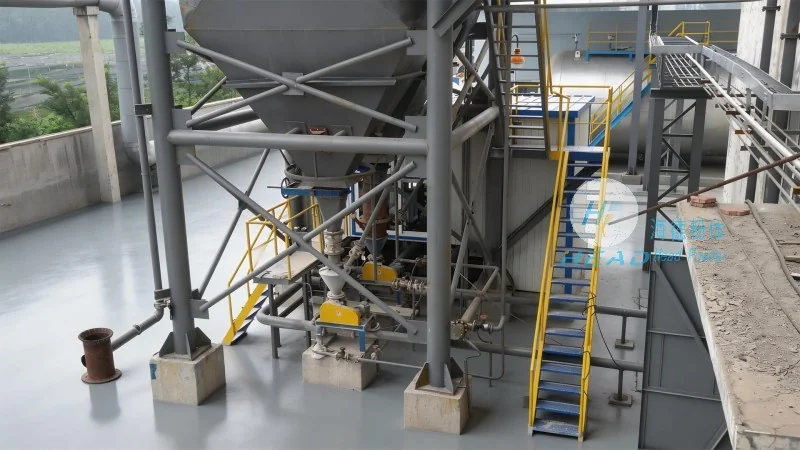
Working Principle of Silica Powder Pneumatic Conveying
The core of silica powder pneumatic conveying lies in the use of air as the conveying medium to transport the powder particles. The process typically involves a series of components, including a feeder, a conveying line, a separator, and a receiver. The working principle can be categorized into two main types: pressure and vacuum systems.
In the pressure system, compressed air is used to push the silica powder through the conveying line. The feeder introduces the powder into the line, and the compressed air creates a flow that carries the particles. The pressure system is suitable for long-distance and high-capacity conveying, as it can maintain a consistent flow rate and pressure. The vacuum system, on the other hand, uses a vacuum pump to draw the powder into the conveying line. This method is ideal for short-distance and low-volume applications, as it requires less energy and is easier to install.
Classification of Silica Powder Pneumatic Conveying Systems
Silica powder pneumatic conveying systems can be classified based on several factors, including the conveying method, the pressure level, and the application requirements. The most common classifications are pressure pneumatic conveying and vacuum pneumatic conveying.
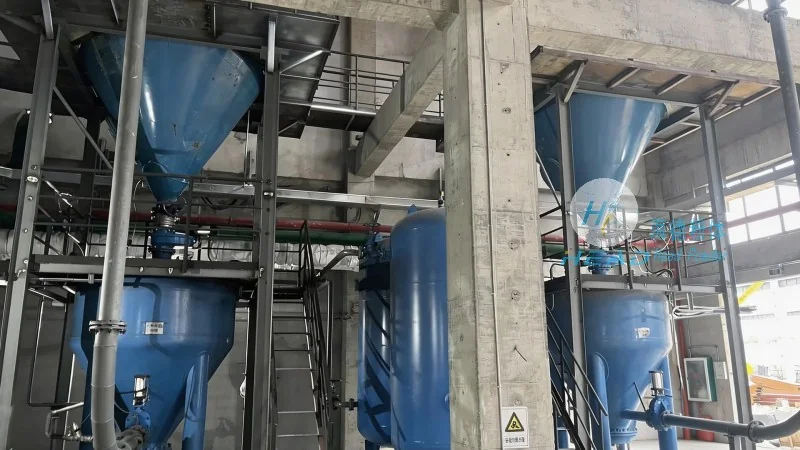
Pressure pneumatic conveying systems are further divided into positive pressure and negative pressure systems. Positive pressure systems use compressed air to push the powder, while negative pressure systems use a vacuum to draw the powder. The choice between these systems depends on the specific needs of the application, such as the distance, the volume, and the particle size of the silica powder.
Vacuum pneumatic conveying systems are typically used for short-distance conveying, as they are more efficient for low volumes. The system consists of a vacuum pump, a conveying line, and a receiver. The vacuum pump creates a negative pressure in the line, which draws the silica powder from the feeder into the line. The powder is then transported to the receiver, where it is separated from the air.
Application Scenarios of Silica Powder Pneumatic Conveying
Silica powder pneumatic conveying is widely used in various industries due to its flexibility and efficiency. In the construction industry, it is used to transport silica powder for concrete production, where the fine particles are essential for achieving the desired strength and texture. In the electronics industry, silica powder is used in the production of silicon wafers and other components, and pneumatic conveying ensures that the powder is delivered to the production line without contamination.
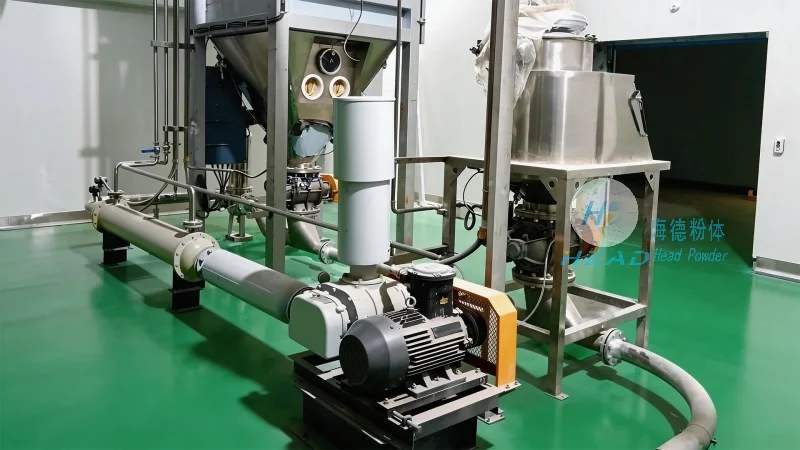
In the pharmaceutical industry, silica powder is used as an excipient in drug formulations, and pneumatic conveying is used to transport the powder to the mixing and packaging lines. The system ensures that the powder is handled in a sterile environment, preventing contamination and maintaining the quality of the final product.
In the chemical industry, silica powder is used in the production of various chemicals, and pneumatic conveying is used to transport the powder to the reactors and other processing equipment. The system ensures that the powder is delivered in a controlled manner, reducing the risk of accidents and improving the efficiency of the production process.
Key Considerations for Silica Powder Pneumatic Conveying
When implementing a silica powder pneumatic conveying system, several factors need to be considered to ensure optimal performance. The first consideration is the particle size and density of the silica powder. Fine particles are more prone to agglomeration and blockage, which can affect the flow rate and efficiency of the system. Therefore, it is important to choose a system that is suitable for the specific particle size and density of the powder.
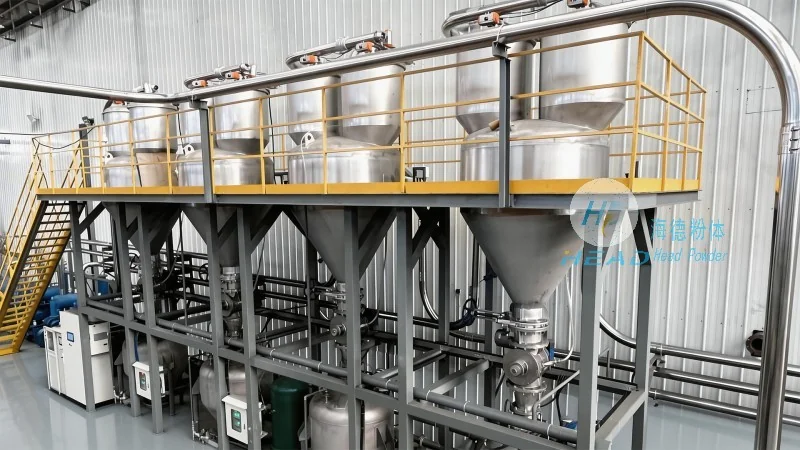
Another important consideration is the distance and capacity of the conveying. The pressure system is more suitable for long-distance and high-capacity applications, while the vacuum system is better for short-distance and low-volume applications. The choice of system should be based on the specific requirements of the application, such as the distance between the feeder and the receiver, and the volume of powder to be transported.
The material of the conveying line and components is also a critical factor. The silica powder can be abrasive, and the conveying line and components need to be made of materials that can withstand the wear and tear. Stainless steel and plastic are common materials used for the conveying line and components, as they are resistant to corrosion and wear.
Conclusion
Silica powder pneumatic conveying is an efficient and reliable method for transporting silica powder in various industrial applications. The working principle and classification of the system depend on the specific needs of the application, and the choice of system should be based on factors such as the particle size, distance, and capacity. With proper design and implementation, silica powder pneumatic conveying can improve the efficiency and safety of industrial processes, reducing the risk of accidents and improving the quality of the final product.




