Shandong HeadPowder Engineering Co., Ltd., a leading enterprise in the field of powder handling technology, specializes in providing advanced solutions for the pneumatic conveying of polyethylene powders. With a focus on innovation and efficiency, the company has established itself as a trusted partner for industries requiring reliable material transport systems. This article explores the fundamental principles of polyethylene powder pneumatic conveying, along with its various classification applications, to help readers understand the technology's practical implications and benefits.
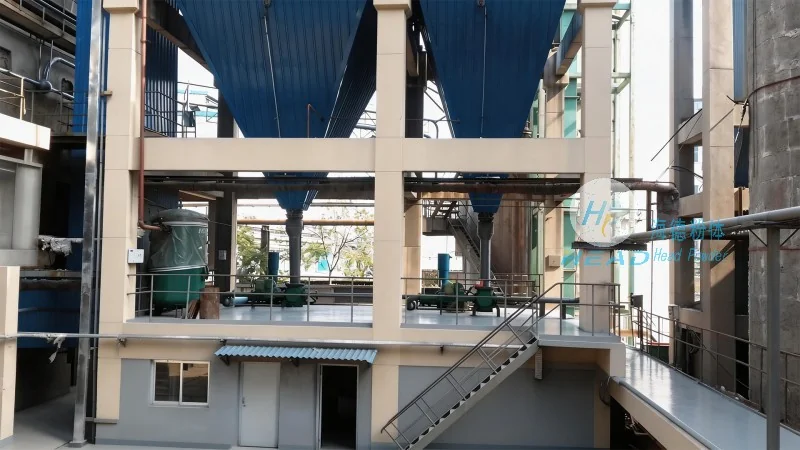
Understanding Pneumatic Conveying Principles for Polyethylene Powders
Pneumatic conveying is a method of transporting bulk materials, such as polyethylene powders, through a pipeline using air or other gases. The process involves creating a pressure differential between the inlet and outlet of the system, which propels the powder particles along the pipeline. For polyethylene powders, which are typically fine and lightweight, this method offers several advantages over traditional mechanical conveying systems. The key principles include the use of air velocity to suspend the particles, the selection of appropriate pipeline diameters to maintain flow, and the implementation of proper equipment, such as cyclones or filters, to separate the conveyed material from the air stream. The efficiency of the system depends on factors like the powder's density, particle size distribution, and the air pressure used. By optimizing these parameters, operators can achieve high throughput and minimal material loss, making pneumatic conveying an ideal choice for polyethylene powder handling.
Classification of Pneumatic Conveying Systems for Polyethylene Powders
Pneumatic conveying systems for polyethylene powders are categorized based on the pressure differentials applied and the direction of material flow. The two primary classifications are pressure conveying and vacuum conveying. Pressure conveying systems operate under positive pressure, where air is forced through the pipeline to move the powder. This method is suitable for long-distance transport and can handle larger quantities of material. Vacuum conveying, on the other hand, uses a vacuum to draw the powder into the system, making it ideal for applications requiring gentle handling or when the material is located at a higher elevation. Within these classifications, subcategories exist, such as dilute-phase and dense-phase conveying. Dilute-phase systems use high air velocities to keep the powder suspended, while dense-phase systems use lower velocities and higher pressure to move the material in a more compact form. The choice of system depends on the specific requirements of the application, including the distance to be covered, the volume of material to be transported, and the need for minimal product degradation.
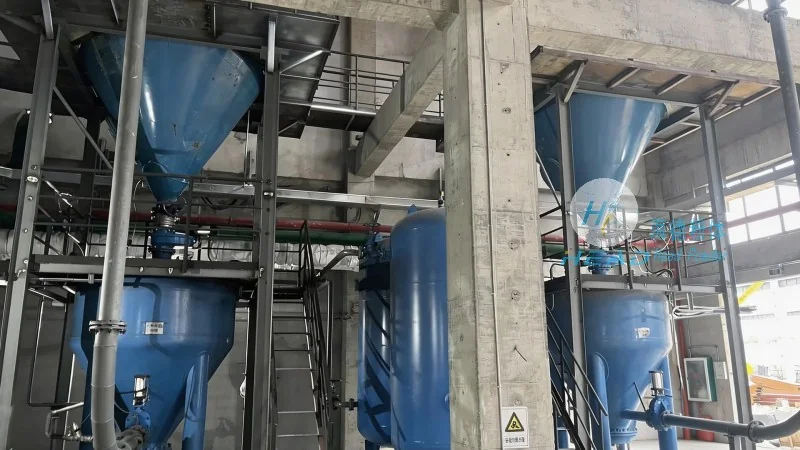
Applications of Polyethylene Powder Pneumatic Conveying in Industry
Polyethylene powder pneumatic conveying finds extensive applications across various industries due to its ability to handle fine powders efficiently and safely. In the plastics manufacturing sector, it is commonly used for transporting raw polyethylene powder from storage silos to processing lines, ensuring a continuous and clean supply of material. The automotive industry also benefits from this technology, as polyethylene powders are used in the production of components like interior parts and coatings. Additionally, the packaging industry utilizes pneumatic conveying for handling polyethylene powders used in the manufacturing of films and bags. The food and pharmaceutical industries also employ this method, particularly when dealing with polyethylene powders used as additives or coatings, as it maintains product purity and prevents contamination. In each of these applications, the choice of conveying system is tailored to the specific characteristics of the polyethylene powder, ensuring optimal performance and minimal downtime.
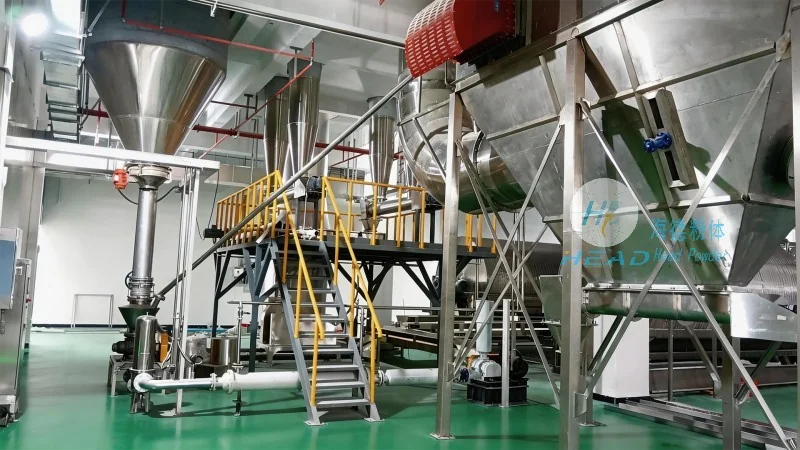
Advantages and Considerations for Polyethylene Powder Pneumatic Conveying
Implementing pneumatic conveying for polyethylene powders offers several advantages over traditional methods. One of the key benefits is the reduction in material handling costs, as the system eliminates the need for manual loading and unloading. Additionally, it minimizes product degradation by avoiding contact with mechanical components, which is crucial for polyethylene powders that are sensitive to friction or heat. The system also provides better control over the material flow, allowing for precise dosing and mixing. However, there are considerations to keep in mind when selecting a pneumatic conveying system. For instance, the design must account for the potential for powder buildup in the pipeline, which can lead to blockages. Proper maintenance, including regular cleaning and inspection of components like cyclones and filters, is essential to prevent system failures. Furthermore, the selection of appropriate air filters and moisture control measures is critical to maintain the quality of the polyethylene powder and prevent caking or agglomeration.
Conclusion and Future Directions
As industries continue to demand more efficient and reliable material handling solutions, polyethylene powder pneumatic conveying remains a vital technology. The principles and classifications discussed in this article highlight the versatility and adaptability of the system, making it suitable for a wide range of applications. With ongoing advancements in materials science and engineering, the technology is likely to evolve further, offering even greater efficiency and sustainability. Shandong HeadPowder Engineering Co., Ltd. remains at the forefront of this evolution, providing cutting-edge solutions that meet the evolving needs of the industry. By understanding the principles and applications of polyethylene powder pneumatic conveying, businesses can make informed decisions to enhance their operational efficiency and product quality.




