HeadPowder, a leading provider in the field of material handling solutions, specializes in advanced air-driven transportation systems for various industrial applications. This article delves into the working principles and classification applications of air-driven transportation specifically for moisture-containing sodium nitrate, a critical chemical widely used in agriculture, food processing, and other sectors.
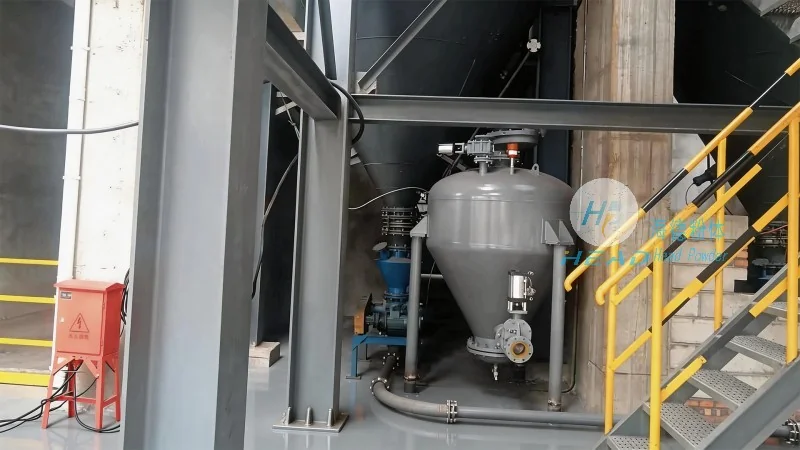
Introduction to Air-Driven Transportation Systems
Air-driven transportation, also known as pneumatic conveying, is a method of transporting bulk materials through a pipeline using compressed air. This technology offers numerous advantages over traditional mechanical conveying systems, including reduced equipment wear, lower maintenance costs, and the ability to handle materials that are difficult to transport by other means. The system typically consists of a material feed hopper, a conveying line, and a discharge point, with compressed air providing the force to move the material through the pipeline.
Characteristics of Moisture-Containing Sodium Nitrate
Sodium nitrate, commonly known as Chile saltpeter, is a white crystalline solid that is hygroscopic, meaning it readily absorbs moisture from the air. When in a moist or humid environment, it can form a sticky or clumpy texture, which can impede the flow and handling of the material. This characteristic makes it particularly challenging to transport using conventional methods, as the material may clog pipes or degrade the performance of conveying equipment. Therefore, specialized air-driven systems are essential for efficient and reliable transportation of moisture-containing sodium nitrate.
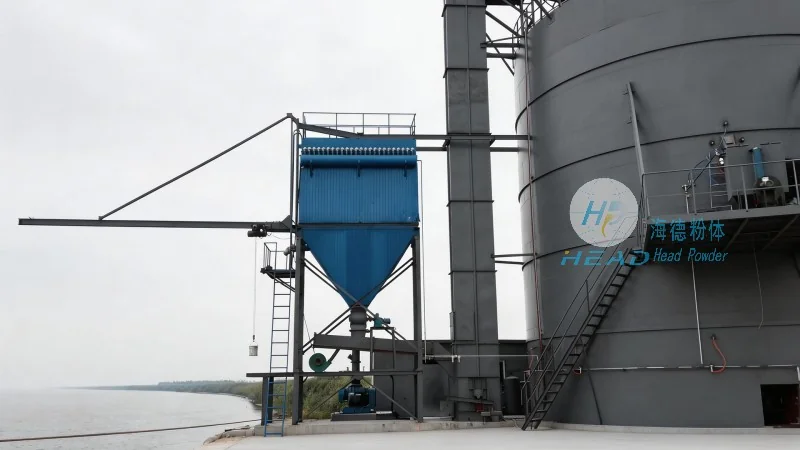
Working Principle of Air-Driven Transportation for Moisture-Containing Sodium Nitrate
The core working principle of air-driven transportation for moisture-containing sodium nitrate involves the use of compressed air to create a pressure differential within the conveying line. The process begins with the material being fed into the hopper, where it is then drawn into the pipeline by the suction created by the air flow. The compressed air, often supplied by a blower or compressor, is introduced at the discharge end of the line, creating a high-velocity air stream that propels the material forward. The air and material mixture travels through the pipeline until it reaches the discharge point, where the air is separated from the material, typically using a cyclone separator or a filter, and the material is collected.
Classification of Air-Driven Transportation Systems
There are several classifications of air-driven transportation systems based on the method of material introduction and the direction of air flow. The two primary types are suction (or negative pressure) systems and pressure (or positive pressure) systems. Suction systems operate by creating a negative pressure at the material feed point, drawing the material into the pipeline. These systems are well-suited for applications where the material is to be transported from a lower elevation to a higher one or over long distances. Pressure systems, on the other hand, use compressed air to push the material through the pipeline, typically from a higher elevation to a lower one or over shorter distances. For moisture-containing sodium nitrate, both suction and pressure systems can be employed, depending on the specific application requirements and the layout of the conveying system.
Application Categories of Air-Driven Transportation for Moisture-Containing Sodium Nitrate
The application of air-driven transportation for moisture-containing sodium nitrate spans multiple industries, each with unique demands for material handling. In the agricultural sector, sodium nitrate is used as a fertilizer, and air-driven systems are employed to transport it from storage facilities to application sites, ensuring efficient distribution and minimizing material loss. In the food processing industry, sodium nitrate is used as a preservative and flavor enhancer, and specialized air-driven systems are used to transport it from production lines to packaging areas, maintaining product quality and safety. Additionally, in chemical manufacturing, sodium nitrate is used as an oxidizer and raw material for other chemical products, and air-driven transportation systems are used to move it between processing stages, ensuring a continuous and controlled production process.
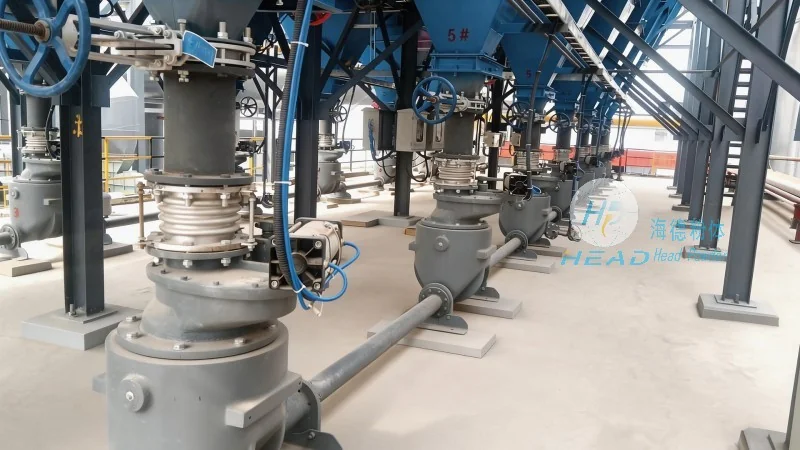
Advantages of Air-Driven Transportation for Moisture-Containing Sodium Nitrate
Compared to traditional mechanical conveying methods, air-driven transportation offers several advantages for handling moisture-containing sodium nitrate. First, the system is highly effective in preventing material degradation and clogging, as the material is transported in a dry and aerated state. Second, the system is compact and flexible, allowing for easy integration into existing industrial layouts and the ability to adapt to changes in production requirements. Third, the system is energy-efficient, as it requires less power to operate compared to mechanical systems, resulting in lower operational costs. Finally, the system is safe and reliable, with minimal risk of material spillage or contamination, which is critical for handling sensitive materials like sodium nitrate.
Conclusion
HeadPowder Engineering Co., Ltd., based in Shandong, China, is a trusted provider of air-driven transportation solutions for moisture-containing sodium nitrate. Our expertise in designing and implementing specialized conveying systems ensures that clients receive efficient, reliable, and cost-effective solutions tailored to their specific needs. By leveraging advanced technology and a deep understanding of material handling principles, we help our clients optimize their production processes and improve overall operational efficiency. For more information on our air-driven transportation systems for sodium nitrate, please contact us at our headquarters in Shandong, China.




