HeadPowder, a leading engineering company based in Shandong, China, specializes in providing advanced solutions for material handling, particularly in the field of pneumatic conveying systems for polypropylene (PP) pellets. This article aims to explain the fundamental principles of PP pellet pneumatic conveying, categorize the different types of systems, and illustrate their practical applications in industrial settings.
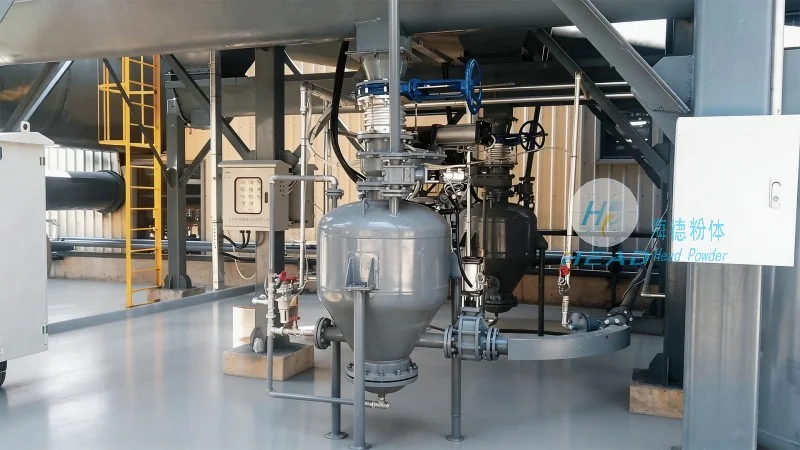
Understanding Pneumatic Conveying Principles
Pneumatic conveying is a method of transporting bulk materials, such as PP pellets, through a pipeline using a gas stream, typically air or other gases. The process involves creating a pressure differential or using a vacuum to move the material from the source to the destination. In the case of PP pellets, the system must be designed to handle the specific characteristics of the material, including its size, density, and flowability. The core principle is to generate sufficient air velocity to lift and transport the pellets through the pipeline without causing excessive wear or degradation. Key factors influencing the effectiveness of pneumatic conveying include the air velocity, pressure, and the design of the conveying line, including the use of bends, elbows, and other components that minimize pressure loss and ensure smooth material flow.
Classification of Pneumatic Conveying Systems
Pneumatic conveying systems for PP pellets are broadly classified into two main categories: suction (or vacuum) systems and pressure systems. Each type has distinct characteristics and is suitable for different operational requirements.
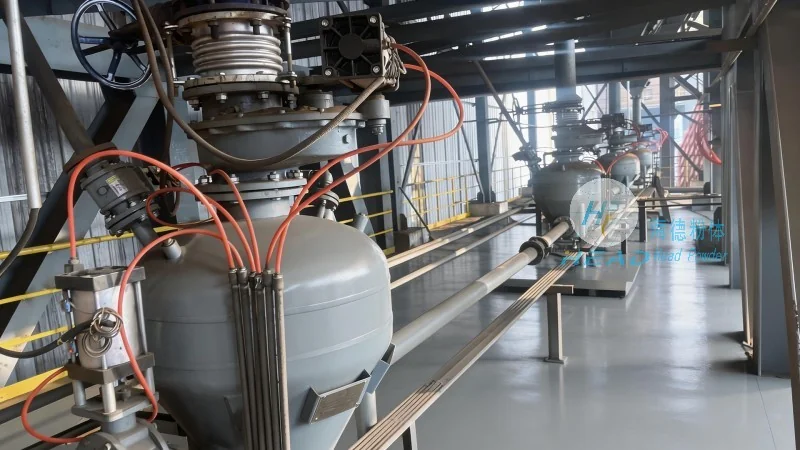
Suction systems, also known as vacuum systems, operate by creating a negative pressure at the material source, drawing the pellets into the pipeline. These systems are commonly used for short-distance conveying and when the material needs to be collected from multiple points. The primary advantage of suction systems is their ability to handle materials from various locations without the need for a separate material feed. However, they are generally limited to lower conveying capacities and may require higher air volumes to maintain sufficient suction pressure.
Pressure systems, on the other hand, operate by compressing air and forcing it through the pipeline, pushing the material from the source to the destination. These systems are suitable for longer distances and higher conveying capacities. They are often used in applications where the material needs to be transported to a single or a few destinations. Pressure systems can handle a wider range of material characteristics and are more efficient for high-volume conveying tasks. The choice between suction and pressure systems depends on factors such as the distance between the source and destination, the required conveying capacity, and the specific material properties of the PP pellets.
Application Scenarios in Industrial Settings
The versatility of pneumatic conveying systems makes them suitable for a wide range of applications involving PP pellets. In the plastics manufacturing industry, these systems are commonly used to transport raw PP pellets from storage silos to processing equipment, such as extruders and injection molding machines. This ensures a continuous and efficient supply of material, reducing downtime and improving production throughput. Additionally, pneumatic conveying is used in recycling facilities to transport reclaimed PP pellets from sorting and cleaning processes to reprocessing units, facilitating the circular economy of plastics.
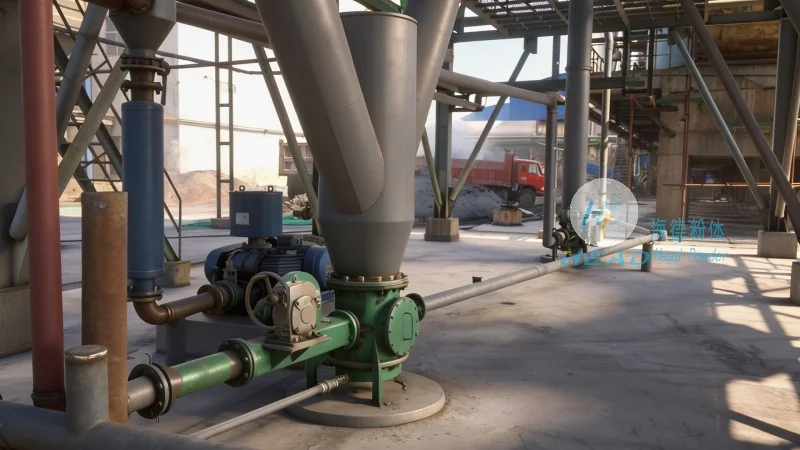
In the chemical and petrochemical industries, PP pellets are often used as a raw material for producing various products, including fibers, films, and automotive parts. Pneumatic conveying systems are employed to transport these pellets from storage tanks to reactors or other processing equipment, ensuring a consistent and controlled flow of material. This is crucial for maintaining the quality and consistency of the final products. Furthermore, in the food and pharmaceutical industries, where PP pellets may be used as packaging materials, pneumatic conveying systems are used to transport the pellets from storage areas to packaging lines, ensuring a hygienic and efficient process.
Key Considerations for Design and Implementation
When designing a pneumatic conveying system for PP pellets, several factors must be carefully considered to ensure optimal performance and longevity. First, the material characteristics of the PP pellets, such as their size distribution, moisture content, and abrasiveness, must be evaluated. These factors influence the choice of system type and the selection of components, such as the material of construction for the pipeline and the type of air filters and separators. Second, the distance and layout of the conveying line must be taken into account. The design must minimize pressure losses and ensure that the system can maintain the required air velocity throughout the entire pipeline. Third, the system must be equipped with appropriate safety features, such as pressure relief valves and dust collection systems, to prevent accidents and protect the environment. Finally, regular maintenance and monitoring are essential to ensure the system operates efficiently and to detect any potential issues before they cause significant problems.




