Garbage pneumatic conveying systems represent a critical technology in modern waste management, offering efficient and flexible solutions for transporting solid waste over varying distances and through complex layouts. This article provides an in-depth exploration of the fundamental principles, classification methods, and practical applications of such systems, with a focus on the expertise and solutions offered by Shandong HeadPowder Engineering Co., Ltd., a leading provider in the field.
Introduction to Garbage Pneumatic Conveying
Garbage pneumatic conveying, also known as pneumatic transport, utilizes air as the primary medium to move solid waste materials from one location to another. This method is particularly advantageous in waste management due to its ability to handle a wide range of waste types, including municipal solid waste (MSW), industrial waste, and hazardous materials, while minimizing environmental impact and operational costs. The core principle involves creating a pressure differential within a pipeline system, either by suction (negative pressure) or compression (positive pressure), to propel the waste particles through the conveying line.
Key Components and Working Principle
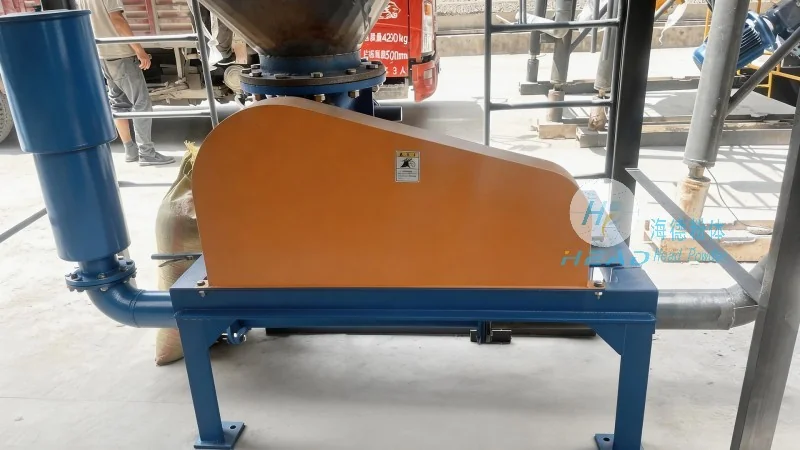
The operation of a garbage pneumatic conveying system relies on several key components, each playing a crucial role in the overall process. These include the feeding hopper, which collects and prepares the waste for transport; the conveying pipeline, which serves as the pathway for the waste and air; the air mover (either a vacuum pump or a positive displacement blower), which generates the necessary pressure or suction; and the control system, which regulates the flow and pressure to ensure efficient and safe operation. The working principle can be summarized as follows: when the air mover creates a pressure difference, air flows through the pipeline, carrying the waste particles along with it. The velocity of the air and the size of the particles determine the conveying capacity and efficiency of the system.
Classification of Garbage Pneumatic Conveying Systems
Garbage pneumatic conveying systems are typically classified based on the method of air movement and the pressure differential applied. The main categories include:
1. Suction (Vacuum) Systems
Suction systems operate by creating a negative pressure (vacuum) at the receiving end of the pipeline. The air mover, usually a vacuum pump, draws air and waste particles from the feeding point and transports them to the collection or processing facility. These systems are ideal for short to medium distances and are commonly used in applications where the waste is generated at a single point and needs to be transported to a central processing unit. The primary advantage of suction systems is their ability to handle fine particles and prevent dust dispersion, as the negative pressure helps to draw particles into the pipeline without generating excessive air flow.
2. Compression (Positive Pressure) Systems
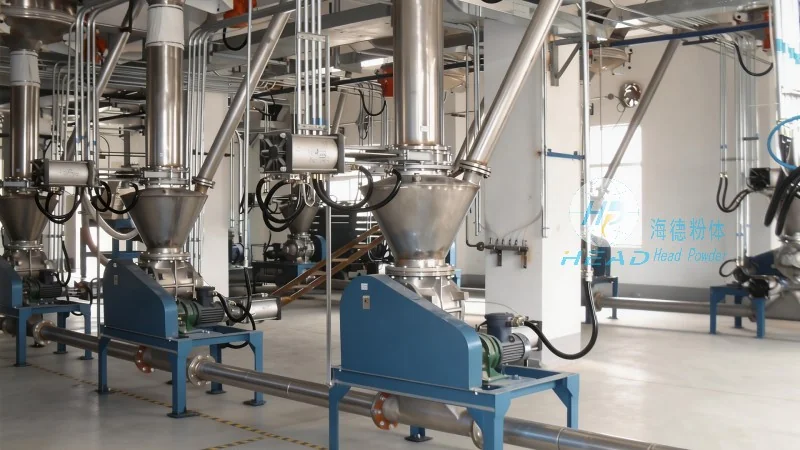
Compression systems, on the other hand, generate positive pressure at the feeding end of the pipeline. A positive displacement blower or fan pushes air and waste particles through the pipeline, moving them from the source to the destination. These systems are better suited for longer distances and higher conveying capacities, as the positive pressure can maintain a consistent flow rate even with varying waste loads. Compression systems are often preferred in industrial settings where large volumes of waste need to be transported over extended distances, such as from a landfill to a processing plant.
3. Mixed (Combined) Systems
Mixed systems combine elements of both suction and compression methods, using a combination of vacuum and positive pressure to optimize conveying performance. This approach allows for greater flexibility in handling different waste types and distances, as the system can switch between suction and compression modes depending on the operational requirements. Mixed systems are particularly useful in complex waste management scenarios where multiple sources and destinations are involved, such as in urban waste collection networks.
Applications in Waste Management
Garbage pneumatic conveying systems find widespread application in various waste management processes, contributing to more efficient and sustainable waste handling. Some key applications include:
1. Municipal Solid Waste (MSW) Collection and Transfer
In urban areas, pneumatic conveying systems are used to collect waste from residential and commercial sources and transport it to central transfer stations or processing facilities. This method reduces the need for manual collection and transportation, minimizing labor costs and environmental pollution. The systems can handle a wide range of waste materials, including paper, plastic, and organic waste, making them versatile for municipal applications.
2. Industrial Waste Handling
Industrial facilities, such as manufacturing plants and factories, generate large volumes of waste that require efficient transport. Pneumatic conveying systems are used to move industrial waste from production lines to storage or disposal sites, ensuring that waste is handled in a controlled and environmentally friendly manner. These systems can handle heavy and abrasive materials, such as metal shavings, plastic pellets, and chemical residues, without causing damage to the pipeline or equipment.
3. Hazardous Waste Transport
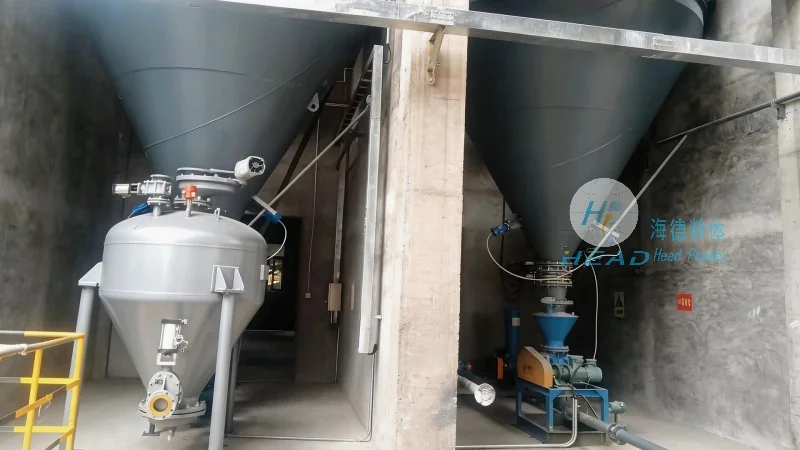
For hazardous waste, such as chemicals, medical waste, and radioactive materials, pneumatic conveying systems provide a safe and secure method of transport. The enclosed pipeline system prevents the release of harmful substances into the environment, while the controlled air flow minimizes the risk of contamination. These systems are designed to meet strict regulatory requirements and ensure compliance with environmental and safety standards.
4. Landfill and Waste-to-Energy Operations
In landfill management, pneumatic conveying systems are used to transport waste from collection points to the landfill site, improving the efficiency of waste disposal. In waste-to-energy facilities, the systems help to move waste to the combustion chamber, facilitating the energy generation process. The ability to handle large volumes of waste at high speeds makes pneumatic conveying an essential component of modern waste-to-energy plants.
Advantages and Considerations
Garbage pneumatic conveying systems offer several advantages over traditional waste transport methods, including reduced labor costs, lower environmental impact, and improved safety. However, there are also considerations to keep in mind when implementing such systems. These include the need for proper system design to handle varying waste loads, the importance of regular maintenance to ensure optimal performance, and the requirement for appropriate filtration and dust control measures to prevent air pollution. Additionally, the initial investment cost for pneumatic conveying systems can be higher than other transport methods, though the long-term operational savings often justify the investment.
Conclusion
Garbage pneumatic conveying systems represent a sophisticated and effective solution for modern waste management challenges. By understanding the principles, classification, and applications of these systems, waste management professionals can make informed decisions about the most suitable technology for their specific needs. Shandong HeadPowder Engineering Co., Ltd. stands as a trusted partner in providing customized pneumatic conveying solutions, leveraging years of expertise to deliver efficient, reliable, and environmentally responsible waste transport systems. With a commitment to innovation and quality, HeadPowder continues to advance the state-of-the-art in garbage pneumatic conveying, supporting sustainable waste management practices worldwide.




