Coal ash, a byproduct of coal combustion in power plants, presents unique challenges in handling and transportation. The efficient and reliable movement of coal ash particles from one location to another is crucial for industrial operations. Pneumatic conveying systems have emerged as a sophisticated solution to address these challenges, offering advantages such as reduced labor costs, minimized environmental impact, and enhanced process control. This article provides an in-depth analysis of coal ash particle pneumatic conveying systems, focusing on their design, functionality, and practical applications.
Key Components of Pneumatic Conveying Systems for Coal Ash
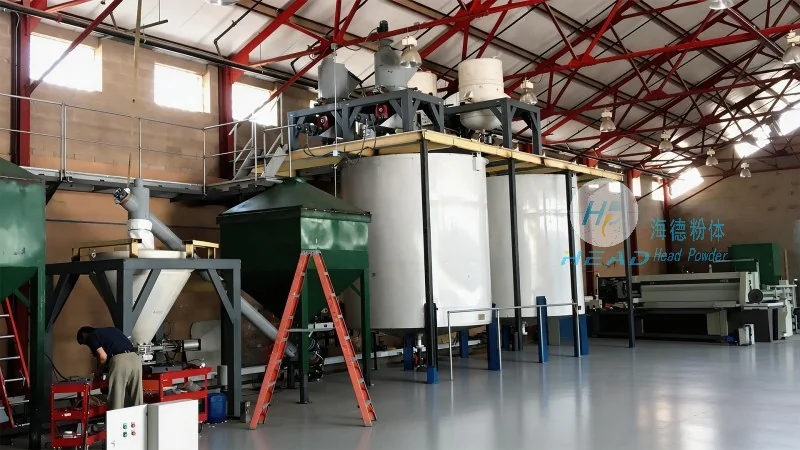
The effectiveness of a coal ash particle pneumatic conveying system relies on several critical components that work in harmony to ensure smooth operation. The primary components include the hopper, which serves as the storage and feeding unit, the air compressor or blower that generates the necessary airflow, the pipeline network that transports the particles, and the receiver or discharge unit where the material is deposited. Each component is meticulously designed to handle the specific characteristics of coal ash, such as its particle size distribution, moisture content, and density. The hopper often incorporates a feeding mechanism, such as a rotary valve or screw feeder, to control the flow of ash into the system. The air compressor must provide sufficient pressure and volume to overcome the resistance of the pipeline and the weight of the ash particles. The pipeline is typically made of materials like stainless steel or PVC to resist corrosion and abrasion from the ash particles. The receiver is equipped with a dust collection system to prevent environmental contamination and ensure compliance with regulations.
Types of Pneumatic Conveying Systems for Coal Ash
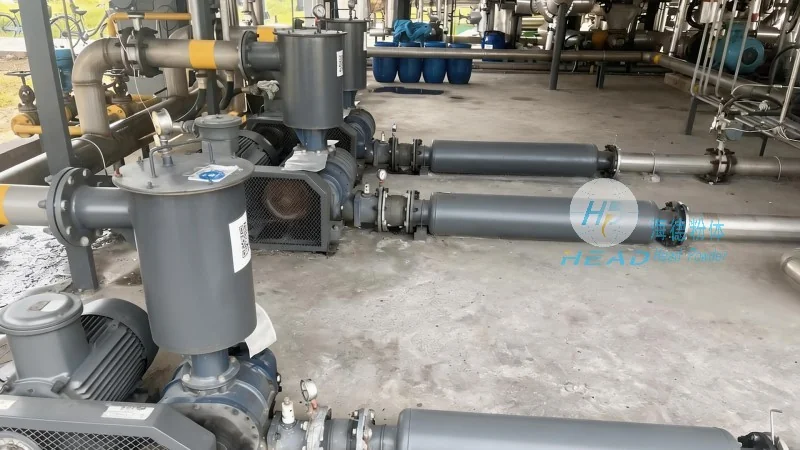
There are two main types of pneumatic conveying systems used for coal ash: dilute phase and dense phase. Dilute phase systems operate at low pressure and high velocity, where the ash particles are suspended in the air stream. This method is suitable for short to medium distances and low to medium ash flow rates. Dense phase systems, on the other hand, operate at higher pressure and lower velocity, where the ash particles are conveyed in a slurry-like state. This approach is ideal for longer distances and higher flow rates, as it reduces particle degradation and improves system efficiency. The choice between dilute and dense phase systems depends on factors such as the distance between the source and destination, the volume of ash to be transported, and the specific requirements of the industrial process. For coal ash applications, dense phase systems are often preferred due to their ability to handle larger particles and maintain the integrity of the material.
Advantages of Using Pneumatic Conveying for Coal Ash
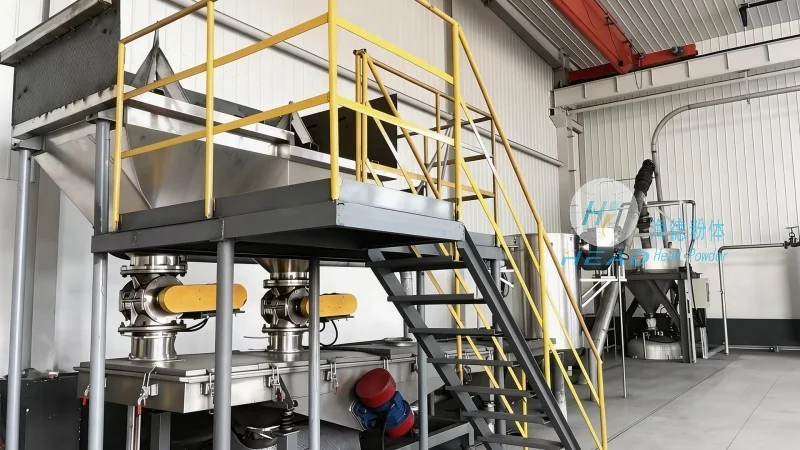
Implementing a pneumatic conveying system for coal ash offers numerous benefits that enhance operational efficiency and sustainability. One of the most significant advantages is the reduction in labor costs, as automated systems eliminate the need for manual handling of heavy and potentially hazardous materials. This not only improves safety in the workplace but also increases productivity. Additionally, pneumatic conveying minimizes environmental impact by reducing dust emissions and preventing contamination of soil and water resources. The enclosed system design ensures that ash particles are contained during transportation, preventing the spread of dust and pollutants. Another key advantage is the enhanced process control, as the system allows for precise regulation of ash flow rates and pressure, enabling better integration with downstream processes. This level of control is particularly important in power plants where ash needs to be transported to disposal sites or recycling facilities. Furthermore, pneumatic conveying systems are compact and can be installed in limited spaces, making them suitable for facilities with restricted layouts. The low maintenance requirements of these systems also contribute to long-term cost savings, as they require fewer repairs and replacements compared to traditional bulk handling methods.
Design Considerations for Coal Ash Pneumatic Conveying Systems
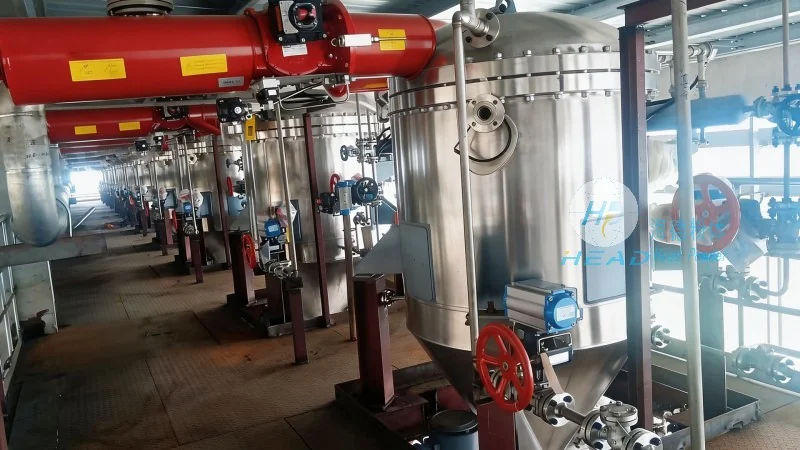
The successful design of a coal ash particle pneumatic conveying system requires careful consideration of several factors to ensure optimal performance and longevity. First, the particle size and density of the coal ash must be analyzed to determine the appropriate system configuration. Larger or denser particles may require higher pressure and more robust components to prevent blockages and ensure efficient transport. The moisture content of the ash is another critical factor, as excessive moisture can lead to caking and reduced airflow. Therefore, the system design may include drying mechanisms or moisture control measures to maintain optimal conditions. The distance and elevation changes between the source and destination are also important considerations, as they affect the required pressure and airflow. The system must be designed to handle the specific flow rates and pressure drops associated with these conditions. Material selection is another key aspect, as the components must be resistant to corrosion and abrasion from the ash particles. Stainless steel and high-grade plastics are commonly used for pipeline and hopper construction to ensure durability and longevity. The system must also comply with local regulations and environmental standards, which may dictate the need for dust collection and emission control measures. Finally, the integration of the system with existing industrial processes is crucial, as it must be compatible with the flow rates and pressure requirements of the overall operation.




