HeadPowder, a leading provider of material handling solutions, specializes in the efficient and reliable transportation of bulk materials such as dry lime. In industrial applications, the choice between positive pressure and negative pressure pneumatic conveying systems is critical for optimizing process performance, reducing operational costs, and ensuring product integrity. This article provides a detailed comparison of these two methods, highlighting their advantages, limitations, and suitability for dry lime handling.
Understanding Pneumatic Conveying Systems
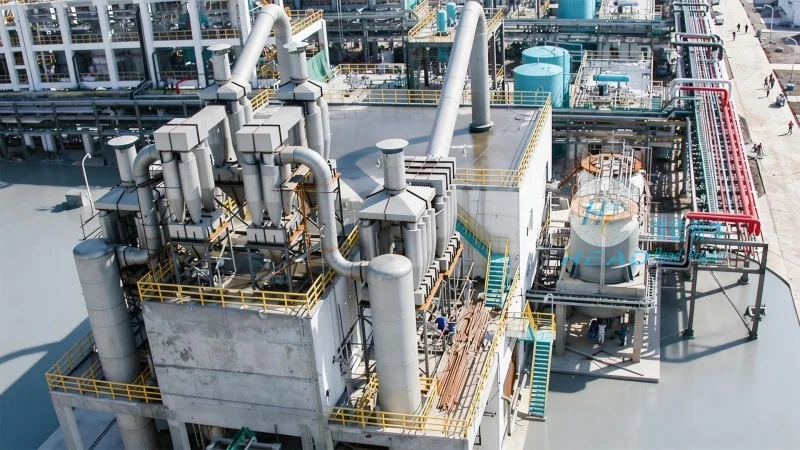
Pneumatic conveying is a method of transporting bulk materials through a pipeline using air or gas as the conveying medium. It is widely used in industries like chemical, food, and mining for its ability to handle fine powders and granules without mechanical contact. The two primary types of pneumatic conveying are positive pressure and negative pressure systems, each with distinct operational principles and applications.
Positive Pressure Conveying of Dry Lime
Positive pressure conveying operates by blowing air or gas into the material to be transported, creating a pressure higher than the ambient air pressure. This method is commonly used for conveying dry lime from storage silos or hoppers to processing units. The system typically includes a blower, a material feeder, and a pipeline network. The high-pressure air forces the dry lime particles through the pipeline, ensuring a continuous and controlled flow. One of the key advantages of positive pressure systems is their ability to handle long distances and multiple transfer points without significant pressure loss. However, they require robust equipment to withstand the higher pressures and can be more expensive to install and maintain compared to negative pressure systems. Additionally, positive pressure systems may pose safety risks due to the high-pressure air and the potential for dust explosions if proper explosion-proof measures are not implemented.
Negative Pressure Conveying of Dry Lime
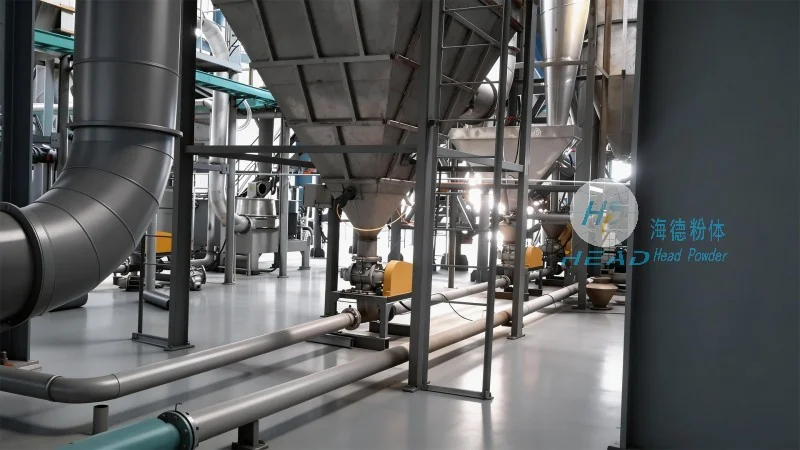
Negative pressure conveying, also known as suction conveying, works by creating a vacuum in the pipeline, drawing the dry lime particles into the system. This method is often used for short-distance conveying or when the material needs to be transferred from a low-level source to a higher destination. The system consists of a vacuum pump, a material hopper, and a pipeline. The vacuum pulls the dry lime particles through the pipeline, making it suitable for applications where the material is prone to re-entrainment or where a gentle handling is required. Negative pressure systems are generally less expensive to install and maintain, as they operate at lower pressures and do not require high-capacity blowers. However, they have limitations in terms of conveying distance and material capacity, as the vacuum can be compromised by blockages or excessive material moisture. Moreover, negative pressure systems may not be suitable for handling highly abrasive or corrosive dry lime, as the vacuum pump and pipeline components are more susceptible to wear and tear.
Comparison of Positive and Negative Pressure Conveying for Dry Lime
When selecting between positive and negative pressure pneumatic conveying for dry lime, several factors must be considered, including the distance of the conveying line, the material's properties (such as particle size, moisture content, and abrasiveness), and the overall system cost. Positive pressure systems are generally preferred for long-distance or high-volume conveying, as they can maintain consistent flow rates and handle larger quantities of dry lime. They are also more suitable for applications where the material needs to be transported to multiple destinations or where the system is integrated with other processing equipment. On the other hand, negative pressure systems are ideal for short-distance conveying, where the material is sourced from a low-level hopper or silo and needs to be transferred to a higher-level processing unit. They are particularly useful in applications where the material is sensitive to mechanical stress or where dust control is a priority, as the suction process minimizes the risk of particle breakage and dust generation.
Advantages and Limitations of Each Method
Positive pressure conveying offers several advantages, including higher conveying capacity, longer distance capability, and better control over the material flow. However, it also has limitations, such as higher operational costs due to the need for high-pressure blowers and more complex safety measures. Negative pressure conveying, while less expensive and simpler to install, has limitations in terms of conveying distance and material handling capacity. It is also more prone to system blockages and may not be suitable for handling abrasive or corrosive dry lime.
Conclusion
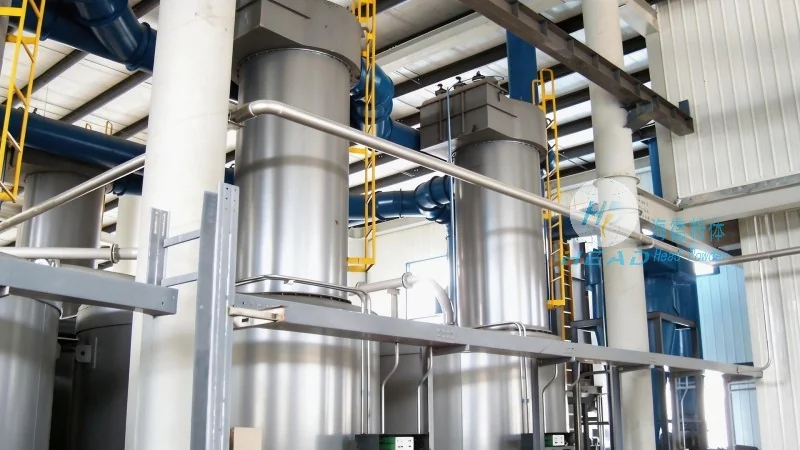
Both positive pressure and negative pressure pneumatic conveying systems are effective methods for transporting dry lime, but the choice between them depends on the specific application requirements. Positive pressure systems are better suited for long-distance, high-volume conveying, while negative pressure systems are ideal for short-distance or gentle handling applications. By understanding the operational principles, advantages, and limitations of each method, industrial facilities can select the most appropriate pneumatic conveying system to optimize their dry lime handling processes. HeadPowder, with its expertise in material handling solutions, provides customized conveying systems tailored to the unique needs of each client, ensuring efficient and reliable dry lime transportation.
Shandong HeadPowder Engineering Co., Ltd., based in China, is committed to delivering high-quality material handling equipment and services. Our team of experts works closely with clients to design and implement pneumatic conveying systems that meet their specific requirements, ensuring optimal performance and cost-effectiveness.




