When it comes to transporting manganese carbonate, various methods are employed depending on the specific requirements of the application, the scale of operation, and the logistical constraints. The choice of transport method significantly impacts operational efficiency, cost-effectiveness, and the overall safety of the process. In this context, understanding the different options available is crucial for optimizing material handling in industrial settings.
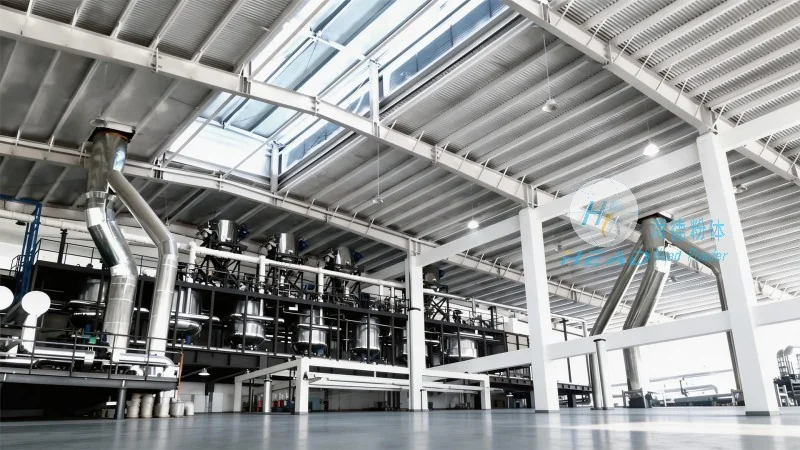
Overview of Manganese Carbonate Transport Methods
Manganese carbonate, a vital mineral used in various industries such as battery manufacturing, steel production, and chemical synthesis, requires reliable and efficient transport solutions to ensure smooth workflow. Traditional transport methods include bulk handling via trucks, railcars, or conveyor belts. However, these methods may face challenges related to material dusting, spillage, and the need for extensive infrastructure. As a result, more advanced and specialized transport techniques have emerged to address these limitations.
Pneumatic Conveying: A Leading Solution for Manganese Carbonate Transport
Among the various transport methods, pneumatic conveying stands out as a highly effective and versatile solution for handling manganese carbonate. This technology involves the use of air or other gases to transport bulk materials through a pipeline system. The process can be categorized into two main types: dilute-phase and dense-phase conveying, each offering distinct advantages based on the material properties and application needs.
Advantages of Pneumatic Conveying for Manganese Carbonate
One of the primary advantages of pneumatic conveying for manganese carbonate is its ability to handle fine powders and granules with minimal dust generation. Unlike traditional methods that often result in airborne dust, which poses health and environmental risks, pneumatic systems can effectively contain particles within the conveying line, reducing exposure and improving workplace safety. This feature is particularly important in industries where dust control is a regulatory requirement.
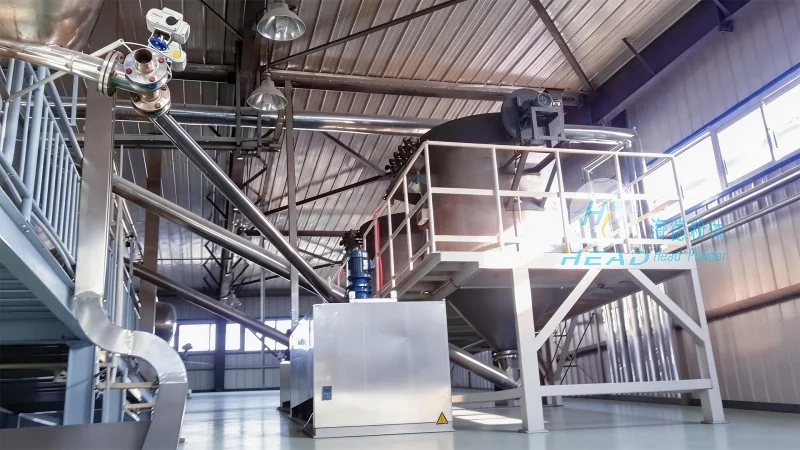
Another key benefit is the high efficiency and speed of material transport. Pneumatic conveying can move large volumes of manganese carbonate over long distances with minimal downtime, as the system operates continuously without the need for manual intervention or frequent equipment maintenance. This leads to increased productivity and reduced operational costs compared to traditional bulk handling methods.
Key Characteristics of Pneumatic Conveying Systems
The effectiveness of pneumatic conveying systems for manganese carbonate is influenced by several key characteristics. Firstly, the system's design must account for the material's flowability and density. Manganese carbonate, being a fine powder, may exhibit cohesive properties that can affect its movement through the pipeline. Advanced system designs, such as those offered by Shandong HeadPowder Engineering Co., Ltd., incorporate features like airlocks, cyclones, and flexible hoses to ensure smooth material flow and prevent blockages.
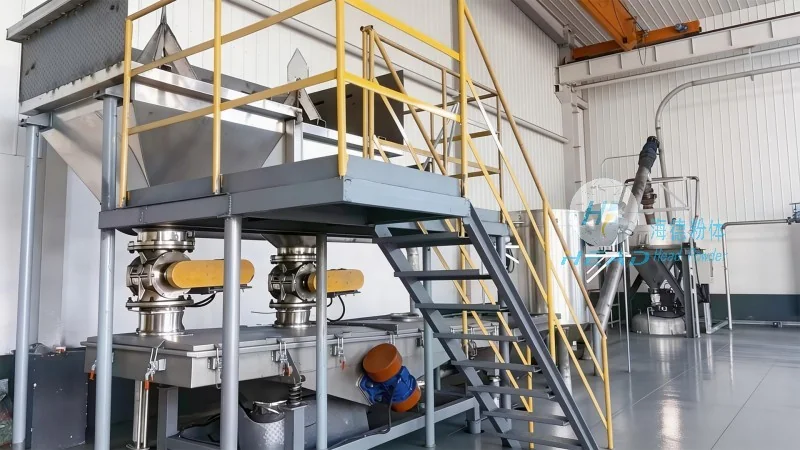
Secondly, the choice of air velocity and pressure is critical. Proper air velocity ensures that particles are entrained and transported efficiently without causing excessive wear on the system components. Overly high velocities can lead to increased energy consumption and equipment wear, while insufficient velocity may result in material deposition or system inefficiencies. Shandong HeadPowder Engineering Co., Ltd. specializes in designing customized pneumatic conveying systems that optimize air velocity and pressure based on the specific characteristics of manganese carbonate, ensuring optimal performance.
Environmental and Safety Considerations
Environmental and safety considerations are paramount when selecting a transport method for manganese carbonate. Pneumatic conveying systems, particularly when equipped with dust collection and filtration units, can significantly reduce the environmental impact of material handling. These systems capture and filter airborne particles, preventing their release into the atmosphere and minimizing the risk of contamination in surrounding areas. Additionally, the enclosed nature of pneumatic conveying reduces the risk of dust explosions, which is a critical safety concern in industrial environments.
Shandong HeadPowder Engineering Co., Ltd., with its headquarters in Shandong, China, has extensive experience in designing and implementing pneumatic conveying solutions tailored to the needs of manganese carbonate producers. The company's expertise in material handling technology ensures that their systems are not only efficient but also compliant with environmental and safety regulations, providing clients with reliable and sustainable transport solutions.




