When it comes to transporting glass particles, selecting the right conveying method is crucial for efficiency, safety, and operational costs. Two primary approaches are widely used: positive pressure conveying and negative pressure conveying. Each has distinct characteristics and is suitable for different scenarios. Understanding the differences between these two systems is essential for making an informed decision that aligns with your specific production needs.
Positive Pressure Conveying: Advantages and Applications
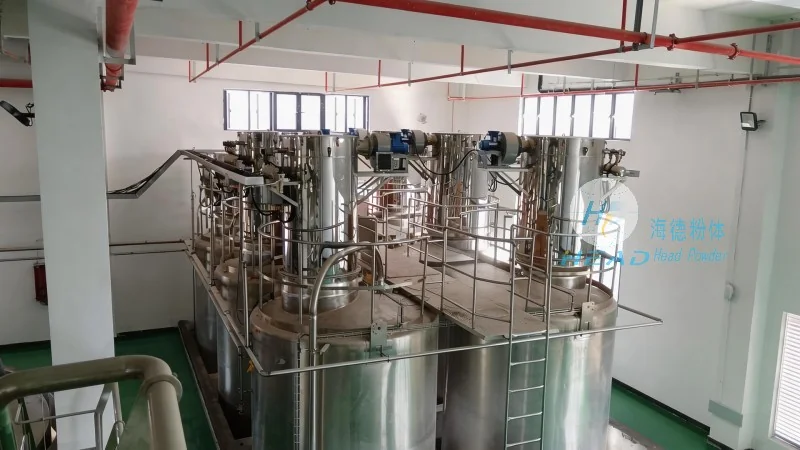
Positive pressure conveying operates by blowing air or gas into the conveying line, creating a pressure higher than the ambient air. This method is particularly effective for transporting glass particles over long distances or through complex layouts with multiple bends and changes in elevation. The primary advantages of positive pressure systems include enhanced control over particle flow, reduced risk of dust leakage, and the ability to handle abrasive materials without excessive wear on components. For glass particle applications, positive pressure conveying is often preferred when the material needs to be transported from a central source to multiple destinations or when the process requires a consistent, high-volume flow. Additionally, these systems can be equipped with filtration and dust collection units to maintain air quality and comply with environmental regulations. The robust design of positive pressure conveyors makes them suitable for industrial environments where reliability and durability are paramount.
Negative Pressure Conveying: Benefits and Use Cases
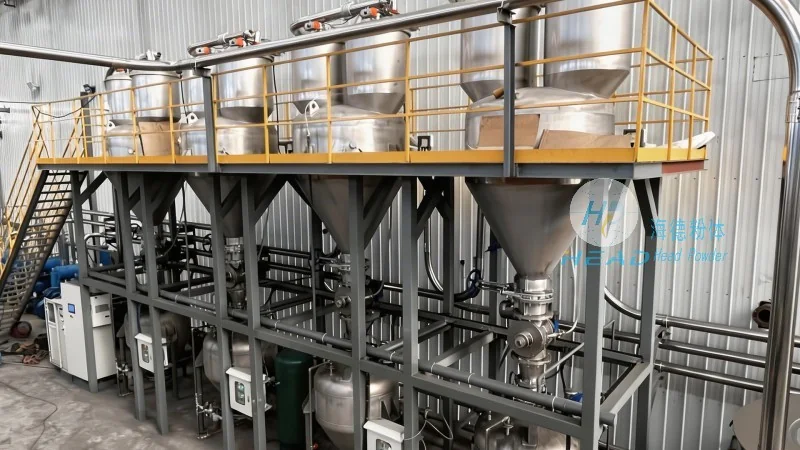
Negative pressure conveying, also known as suction conveying, works by creating a vacuum in the conveying line, drawing the glass particles into the system. This method is typically used for shorter distances and when the goal is to minimize dust exposure in the workspace. The key benefits of negative pressure systems include lower energy consumption compared to positive pressure, as they do not require powerful blowers to force material through the line. Negative pressure conveying is ideal for applications where the glass particles are light and easily entrained by the air flow, and where the process requires a clean, dust-free environment. For example, in glass manufacturing facilities where the production line is compact and the conveying distance is limited, negative pressure systems can effectively move small batches of glass particles without generating excessive airborne dust. These systems are also advantageous when the material is sensitive to high pressure or when the need is to maintain a controlled, low-pressure environment within the workspace.
Distinguishing Factors and Decision-Making Criteria
Choosing between positive and negative pressure conveying for glass particles involves evaluating several key factors. The most critical considerations include the conveying distance, the layout of the facility (e.g., number of bends and changes in elevation), the volume of material to be transported, and the environmental requirements of the operation. For instance, if the glass particles need to be transported over 100 meters with multiple turns and vertical lifts, a positive pressure system is generally more efficient and reliable. Conversely, for short-distance transport within a compact production area, a negative pressure system may be more cost-effective and easier to install. Another important factor is the dust control requirements. Positive pressure systems often incorporate sealed hoppers and exhaust filters to prevent dust from escaping, while negative pressure systems rely on the suction to draw particles into the line, which can be more effective in maintaining a clean workspace. Additionally, the material characteristics of the glass particles, such as their size, shape, and moisture content, can influence the choice. Coarse or irregularly shaped glass particles may require higher air velocities in a positive pressure system to ensure proper transport, whereas fine or delicate particles might be better suited to the gentle suction of a negative pressure system. By carefully assessing these factors, manufacturers can select the most appropriate conveying method to optimize their glass particle handling processes.
About Shandong HeadPowder Engineering Co., Ltd.
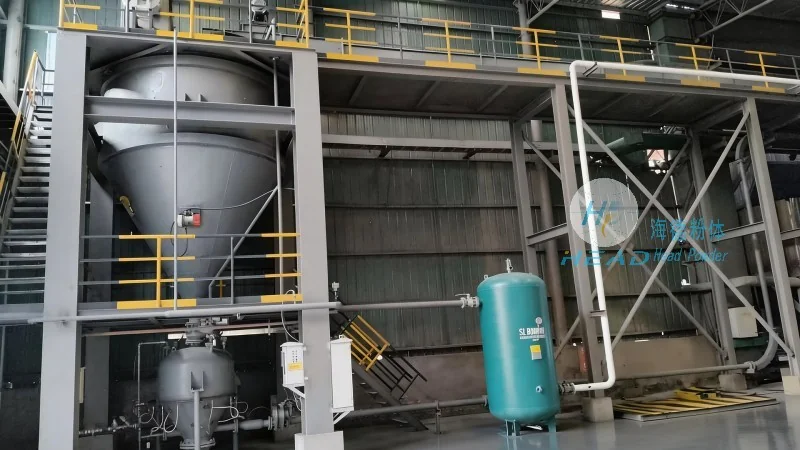
Shandong HeadPowder Engineering Co., Ltd. is a leading provider of specialized conveying solutions tailored to the needs of the glass industry. With a focus on innovation and quality, the company offers a range of positive and negative pressure conveying systems designed to handle glass particles efficiently and safely. HeadPowder's expertise lies in understanding the unique challenges of glass particle transport, such as the abrasive nature of the material and the need for dust control. The company's products are engineered to withstand the rigors of industrial use, ensuring long-term performance and minimal maintenance. Based in Shandong, China, HeadPowder serves clients globally, providing customized solutions that meet specific operational requirements. Whether you are dealing with large-scale glass production or smaller batch processing, HeadPowder's conveying systems are designed to enhance productivity, reduce downtime, and improve overall operational efficiency.




