Resin sand pneumatic conveying is a critical technology in the manufacturing and processing industries, particularly for handling resin-coated sand used in foundry operations. This method involves transporting bulk materials through a pipeline using compressed air or other gas, eliminating the need for mechanical components like belts or buckets. The process is efficient, cost-effective, and suitable for various applications where traditional conveying methods may be impractical. Understanding the working principle of such systems is essential for optimizing material handling in industrial settings.
Key Components of a Pneumatic Conveying System
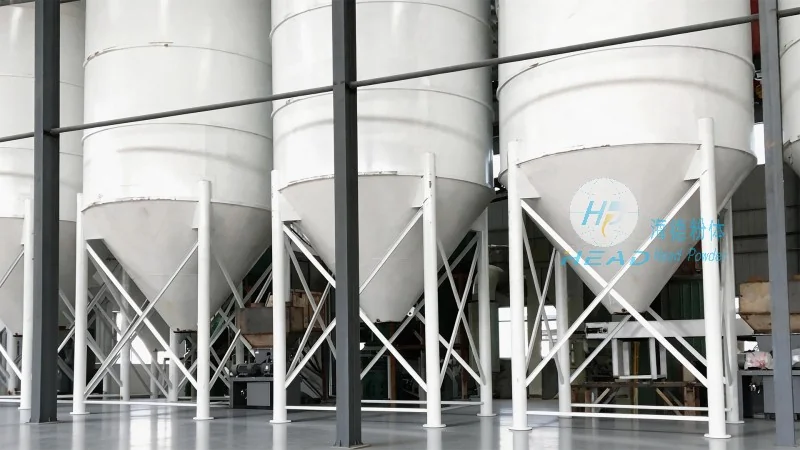
A typical resin sand pneumatic conveying system consists of several key components that work in tandem to ensure smooth material transport. These include a hopper or feeder to store and meter the resin sand, a compressor or blower to generate the necessary air pressure, a pipeline network to carry the material, and a receiver or discharge unit to collect the conveyed material. Each component plays a vital role in maintaining the system's efficiency and reliability. The hopper ensures a consistent feed rate, while the compressor provides the driving force for material movement. The pipeline design, including bends and fittings, must be optimized to minimize pressure drop and prevent material deposition or blockages. The receiver is crucial for safely collecting the delivered resin sand, often equipped with filters or cyclones to separate any entrained air or dust.
Working Principle of Resin Sand Pneumatic Conveying
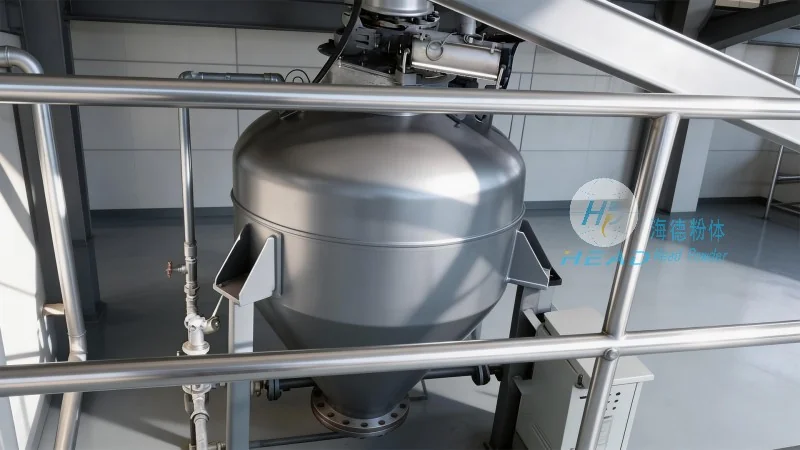
The core of the pneumatic conveying process involves creating a pressure differential between the inlet and outlet of the system. When the compressor starts, it generates high-pressure air that is introduced into the hopper. This air lifts the resin sand particles and propels them through the pipeline. The velocity of the air and the particle size distribution are critical factors that determine the system's performance. Proper air velocity ensures that the sand particles are fully entrained and transported without settling or clogging the pipeline. The system operates on the principle of fluidization, where the air flow suspends the solid particles, allowing them to move as a fluid. This fluidization is achieved by maintaining the air velocity above the minimum fluidization velocity (MFV) for the specific resin sand being handled. The process is continuous and can handle large volumes of material, making it ideal for high-throughput foundry operations.
Advantages of Resin Sand Pneumatic Conveying
Resin sand pneumatic conveying offers several advantages over traditional mechanical conveying methods. One of the primary benefits is the elimination of moving parts, which reduces maintenance requirements and extends the system's operational life. This is particularly important in harsh industrial environments where equipment wear is common. Additionally, the system is highly flexible, allowing for changes in material flow rates or pipeline configurations without significant modifications. The enclosed pipeline design also minimizes dust emissions and improves workplace safety, as the material is contained within the system. Furthermore, the process is energy-efficient, as the compressed air can be recycled or reused, reducing operational costs. These advantages make pneumatic conveying a preferred choice for many manufacturers dealing with resin-coated sand and other fine powders.
Applications in Foundry and Manufacturing
Resin sand pneumatic conveying is widely used in the foundry industry for transporting resin-coated sand, which is essential for sand casting processes. The system efficiently moves the sand from storage to the molding or core-making equipment, ensuring consistent quality and productivity. In addition to foundries, this technology is applied in other industries such as pharmaceuticals, food processing, and chemical manufacturing, where handling fine powders is required. The adaptability of pneumatic conveying systems allows them to be customized for different material types and processing needs. For example, in pharmaceutical applications, the system may include additional filtration and cleaning steps to meet stringent hygiene standards. In food processing, the equipment is designed to be sanitary and prevent contamination, ensuring compliance with food safety regulations. The versatility of the technology makes it a valuable asset in various industrial sectors.
Maintenance and Operational Considerations
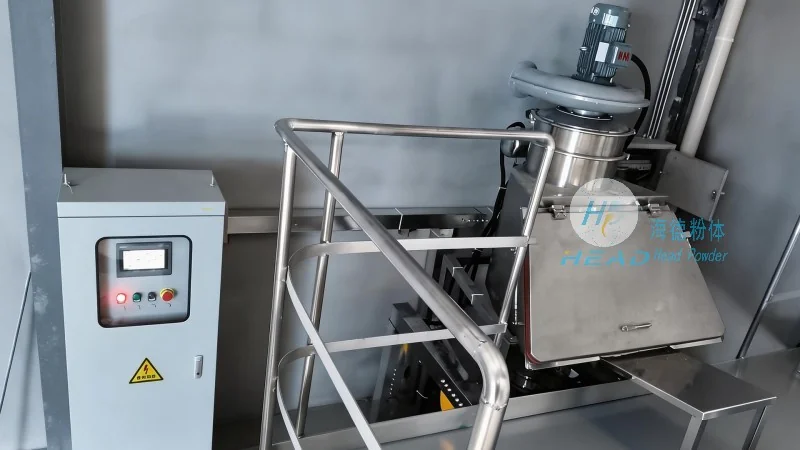
Proper maintenance is crucial for ensuring the long-term performance and reliability of a resin sand pneumatic conveying system. Regular checks of the compressor and air filtration system are essential to maintain optimal air quality and pressure. The pipeline should be inspected for any signs of wear, corrosion, or blockages, as these can lead to system inefficiencies or failures. Cleaning the system, particularly the hopper and receiver, is necessary to prevent material buildup and maintain consistent flow rates. Additionally, monitoring the air velocity and pressure within the system helps identify any issues early, allowing for timely maintenance. The system's design, including the use of appropriate materials for the pipeline and components, also contributes to its durability and longevity. By following a regular maintenance schedule and adhering to operational guidelines, manufacturers can maximize the system's efficiency and minimize downtime.
Conclusion and Company Overview
Resin sand pneumatic conveying is a sophisticated and efficient method for handling bulk materials in industrial applications. By understanding the working principle and key components of such systems, manufacturers can optimize their material handling processes, improve productivity, and reduce operational costs. The technology offers numerous advantages, including reduced maintenance, flexibility, and improved safety. As a leading provider in this field, Shandong HeadPowder Engineering Co., Ltd. specializes in designing and manufacturing high-quality pneumatic conveying systems tailored to the specific needs of their clients. With a focus on innovation and customer satisfaction, the company ensures that their systems meet the highest standards of performance and reliability. Based in Shandong, China, HeadPowder Engineering Co., Ltd. serves a wide range of industries, providing comprehensive solutions for material handling challenges. Their expertise in pneumatic conveying technology helps clients achieve efficient and sustainable operations, contributing to the success of their manufacturing processes.




