For industrial applications involving the transport of rice husk ash, the choice of material handling technology is critical to operational efficiency, safety, and cost-effectiveness. Among the various methods available, pneumatic conveying stands out as a highly effective solution, offering unique advantages that address the specific challenges posed by this material. This article explores the role of pneumatic conveying in the transport of rice husk ash, highlighting its benefits and the technical considerations that make it an ideal choice for such applications.
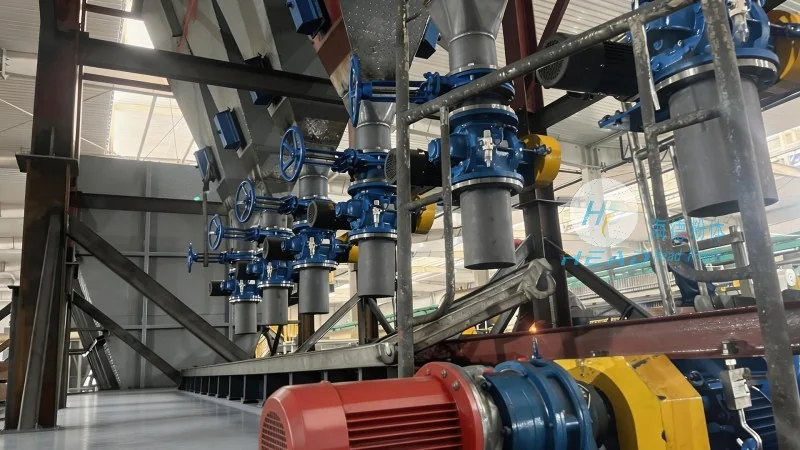
Understanding Rice Husk Ash and Its Transport Challenges
Rice husk ash, a byproduct of rice processing, is characterized by its lightweight, abrasive, and sometimes dusty nature. These properties make traditional bulk material handling methods, such as belt conveyors or screw conveyors, less suitable due to issues like material buildup, wear and tear, and dust generation. The abrasive quality of rice husk ash can quickly damage equipment components, leading to increased maintenance costs and downtime. Additionally, the fine, powdery nature of the ash can cause clogging in traditional systems, further complicating the transport process. To overcome these challenges, industries have turned to pneumatic conveying systems, which provide a more efficient and reliable means of handling this material.
Pneumatic Conveying: How It Works and Its Advantages
Pneumatic conveying systems utilize air or gas to transport bulk materials through a pipeline. In the case of rice husk ash, these systems typically employ positive pressure or negative pressure (or a combination of both) to move the material from the source to the destination. The primary advantages of pneumatic conveying for rice husk ash transport include: enhanced material handling efficiency, reduced equipment wear and tear, improved safety by containing dust, and lower operational costs compared to traditional methods. The system's ability to handle abrasive materials without significant wear is particularly beneficial for rice husk ash, as the material's hardness can otherwise lead to rapid degradation of conveyor components. Furthermore, pneumatic conveying systems can be designed to operate in a closed loop, minimizing dust emissions and improving workplace safety. This is especially important in environments where air quality regulations are stringent.
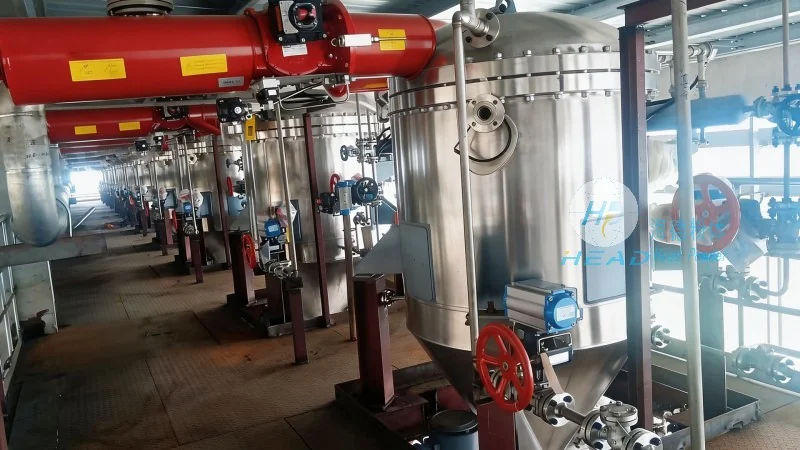
Key Components of a Pneumatic Conveying System for Rice Husk Ash
A pneumatic conveying system for rice husk ash typically consists of several key components, each playing a crucial role in the overall transport process. These components include: a hopper or feeder to introduce the material into the system, a blower or air compressor to generate the necessary air pressure, a pipeline network to transport the material, and a receiver or discharge unit to collect the material at the destination. The hopper is designed to handle the bulk volume of rice husk ash and ensure a consistent feed rate, preventing blockages and maintaining system efficiency. The blower or air compressor provides the force needed to move the material through the pipeline, with the pressure and flow rate carefully controlled to match the material's characteristics and the system's requirements. The pipeline network is constructed from materials resistant to abrasion, such as stainless steel or high-grade plastic, to withstand the wear caused by the rice husk ash. The receiver or discharge unit is equipped with a filter or dust collection system to capture any fine particles and prevent them from escaping into the environment. This component is essential for maintaining air quality and complying with environmental regulations. Such systems are engineered by Shandong HeadPowder Engineering Co., Ltd., a company specializing in custom pneumatic conveying solutions for industrial applications.
Applications and Use Cases in Industrial Settings
Pneumatic conveying systems are widely used in various industrial applications involving rice husk ash, including power plants, cement production facilities, and agricultural processing plants. In power plants, rice husk ash is often used as a fuel or as a raw material in the production of cement. The pneumatic conveying system allows for the efficient transport of the ash from storage silos to the boiler or cement kiln, ensuring a continuous and reliable supply of material. In cement production, the ash is used as a supplementary cementitious material, and the pneumatic system facilitates its transport from the storage area to the mixing plant. Agricultural processing facilities may also use pneumatic conveying to transport rice husk ash for use as a soil amendment or as a source of biochar. In each of these applications, the pneumatic system provides a cost-effective and efficient solution, reducing the need for manual handling and minimizing the risk of material damage or loss.
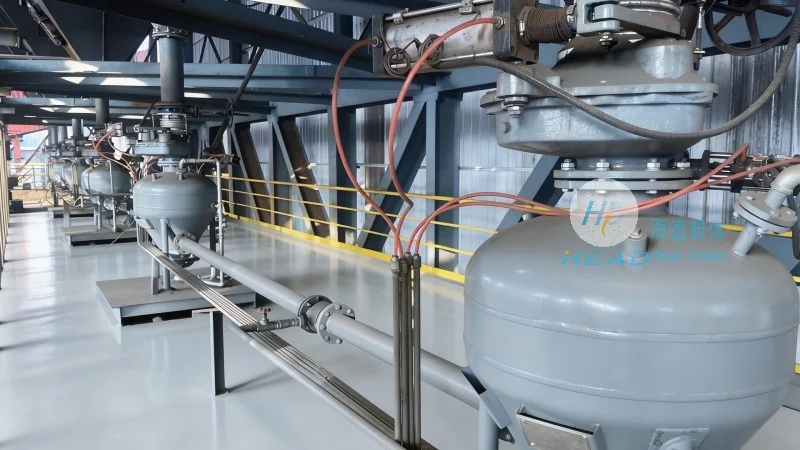
Choosing the Right Pneumatic Conveying System: Factors to Consider
When selecting a pneumatic conveying system for rice husk ash transport, several factors must be considered to ensure optimal performance and longevity. The first factor is the material's characteristics, including its density, moisture content, and abrasiveness. These properties will determine the type of system (positive or negative pressure) and the required air pressure and flow rate. The second factor is the distance and layout of the transport route, as this will affect the system's design and the number of components needed. The third factor is the required capacity and throughput, as the system must be able to handle the volume of rice husk ash needed for the application. Additionally, the system's compatibility with existing infrastructure and the availability of maintenance services should be considered. It is also important to evaluate the system's energy efficiency, as operating costs can be a significant factor in the long term. By carefully considering these factors, industries can select a pneumatic conveying system that meets their specific needs and provides reliable, long-term performance.
Conclusion: The Role of Pneumatic Conveying in Modern Rice Husk Ash Handling
In conclusion, pneumatic conveying plays a vital role in the efficient and safe transport of rice husk ash in industrial applications. By leveraging the power of air to move this lightweight, abrasive material, these systems offer significant advantages over traditional bulk handling methods. The benefits of enhanced efficiency, reduced equipment wear, improved safety, and lower operational costs make pneumatic conveying an attractive option for industries dealing with rice husk ash. As the demand for sustainable and cost-effective material handling solutions continues to grow, the role of pneumatic conveying in rice husk ash transport is likely to become even more prominent. For companies operating in this sector, investing in a well-designed pneumatic conveying system is a strategic decision that can lead to improved operational performance and long-term success.




