HeadPowder, a leading engineering firm based in Shandong, China, specializes in the design and implementation of efficient pneumatic conveying systems tailored for paddy grain processing. These systems represent a critical component in modern grain handling operations, offering a reliable method for transporting paddy grains from storage to processing units with minimal manual intervention.
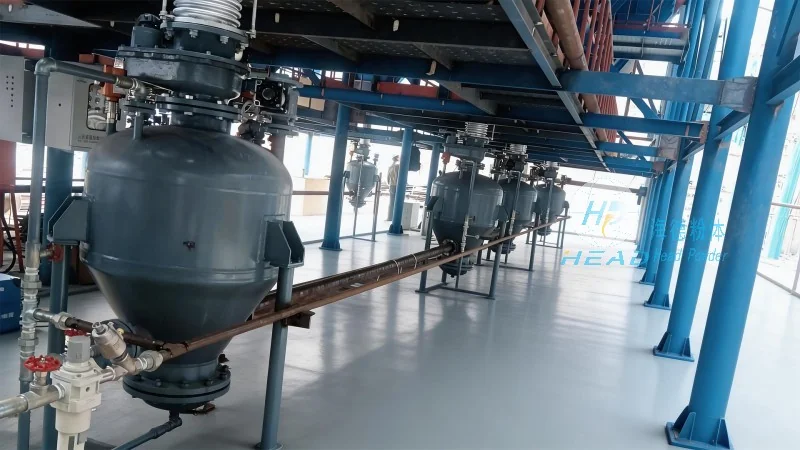
The Core Technology Behind Paddy Grain Pneumatic Conveying
The fundamental principle of pneumatic conveying involves the use of air to move bulk materials like paddy grains through a pipeline system. Unlike traditional mechanical conveyors, this method eliminates the need for moving parts in contact with the grain, reducing wear and tear and minimizing the risk of contamination. The system typically operates by creating a pressure differential—either through vacuum or pressure—to draw or push the grain along the pipeline. For paddy grains, which are relatively light and have a certain moisture content, specialized equipment is required to maintain optimal flow rates and prevent blockages.
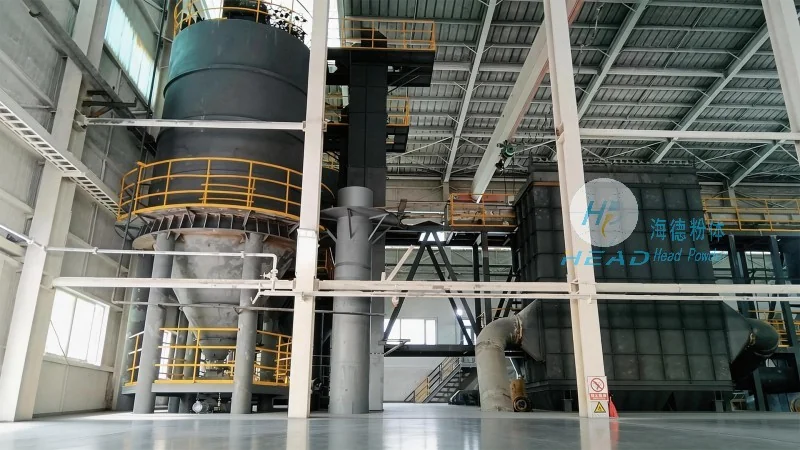
Key Components of a Paddy Grain Pneumatic Conveying System
At the heart of any pneumatic conveying system for paddy grain is a series of interconnected components that work in tandem to ensure smooth operation. These include: 1. **Inlet Hopper**: A container that collects the paddy grain and feeds it into the system. It often features a discharge valve to control the flow rate. 2. **Air Supply Unit**: This component generates the necessary air pressure or vacuum, using compressors or vacuum pumps depending on the system design. 3. **Conveying Pipeline**: The main channel through which the grain and air travel, typically made of durable materials like stainless steel or PVC to withstand the abrasive nature of paddy grains. 4. **Dust Extraction System**: To manage the fine particles and dust generated during the conveying process, an integrated filtration system is essential to maintain air quality and comply with environmental regulations. 5. **Discharge Unit**: The final component that delivers the paddy grain to the processing area, such as a milling or cleaning station. Each component is carefully selected and sized to match the specific characteristics of the paddy grain, including its size, moisture content, and bulk density.
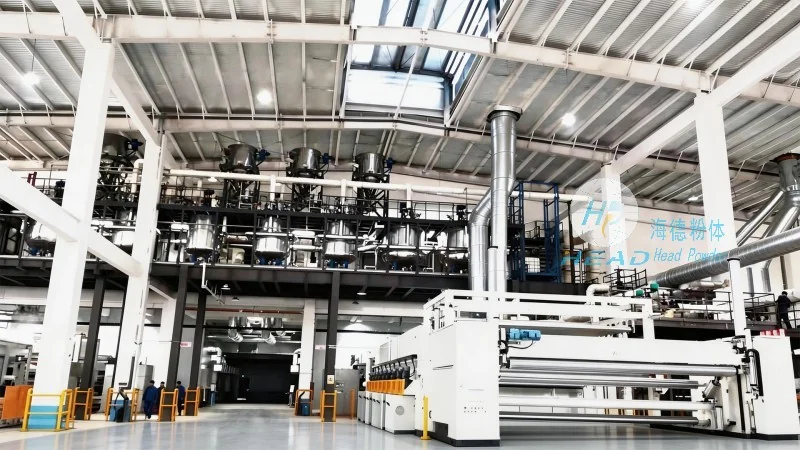
Advantages of Using Paddy Grain Pneumatic Conveying Systems
Implementing a pneumatic conveying system for paddy grain processing offers several distinct advantages over traditional methods. Firstly, it significantly reduces labor costs by automating the material handling process, as the system can operate continuously without the need for manual loading or unloading. Secondly, it minimizes product loss and contamination, as the enclosed pipeline system prevents exposure to external elements and reduces the risk of breakage or spillage. Thirdly, the system is highly flexible, allowing for easy reconfiguration or expansion to accommodate changes in production volume or processing requirements. Additionally, pneumatic conveying systems are more energy-efficient compared to mechanical conveyors, as they utilize air pressure to move the grain rather than mechanical force, resulting in lower operational costs over time.
Customization and Scalability: Tailoring Systems to Specific Needs
HeadPowder understands that each paddy grain processing facility has unique operational requirements. Therefore, the company offers customized pneumatic conveying solutions that are tailored to the specific needs of the client. Whether the facility processes a large volume of paddy grain or requires a system that integrates with existing equipment, HeadPowder’s engineering team works closely with clients to design a system that maximizes efficiency and minimizes downtime. The systems can be scaled from small, compact units for small-scale operations to large, industrial systems capable of handling thousands of tons of paddy grain per day. This scalability ensures that clients can start with a system that meets their current needs and expand it as their business grows, without the need for a complete overhaul.
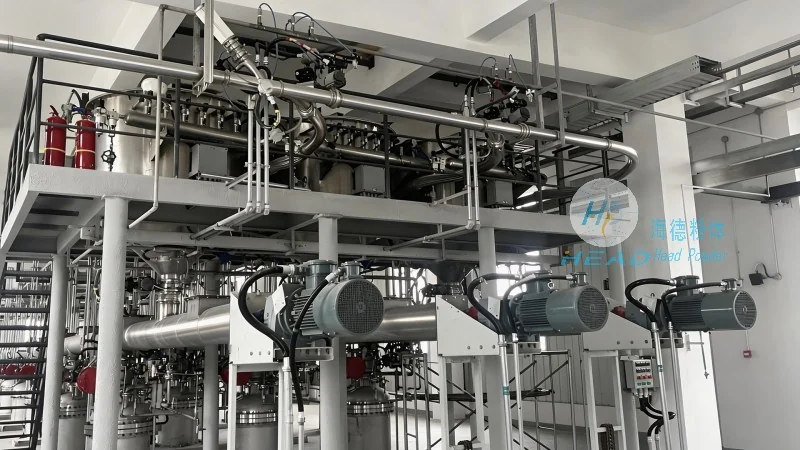
Installation and Maintenance: Ensuring Long-Term Reliability
Proper installation and regular maintenance are crucial for the long-term performance and reliability of a pneumatic conveying system. HeadPowder provides comprehensive installation services, ensuring that all components are correctly assembled and integrated into the existing facility. The company also offers maintenance and support programs to help clients keep their systems operating at peak efficiency. Regular maintenance includes cleaning the pipeline, inspecting the air supply unit, and checking the filtration system to prevent blockages and ensure consistent air quality. By adhering to a regular maintenance schedule, clients can extend the lifespan of their equipment and avoid costly repairs or system downtime.




