Carbon powder pneumatic conveying lines are critical components in industrial applications, particularly for the efficient transport of carbon powders. These systems are designed to handle fine particles like carbon powder, ensuring minimal loss and optimal performance. The operation and working principles of such lines are essential for understanding their functionality and maintaining their efficiency. This article provides a detailed overview of the operation process and working principles of carbon powder pneumatic conveying lines, focusing on the technical aspects and practical applications.
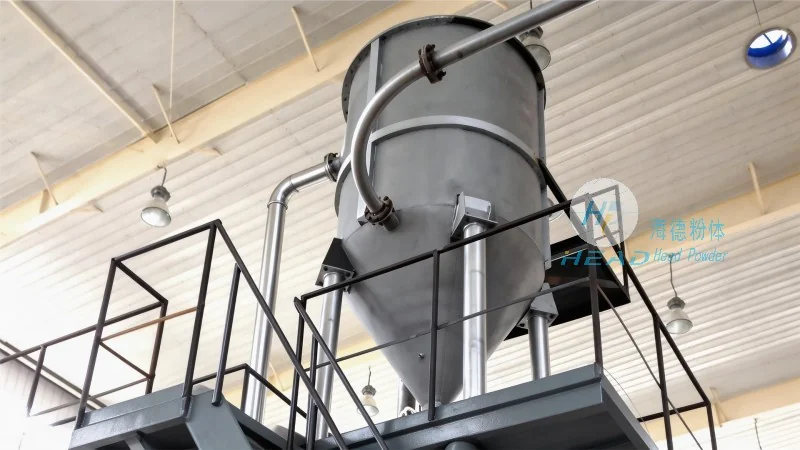
HeadPowder, a leading company in the field, specializes in the design, manufacturing, and installation of carbon powder pneumatic conveying systems. With operations based in Shandong, China, HeadPowder leverages advanced engineering and manufacturing capabilities to deliver high-quality solutions tailored to the specific needs of clients. The company’s expertise in carbon powder handling ensures that their conveying lines are built to withstand the unique challenges associated with transporting fine carbon powders, such as dust control, particle separation, and system reliability.
Working Principle of Carbon Powder Pneumatic Conveying Lines
The core working principle of a carbon powder pneumatic conveying line involves the use of compressed air to transport carbon powder particles through a pipeline. This method, known as pneumatic conveying, relies on the principle of fluidization, where the carbon powder is suspended in the air stream and moved from the source to the destination. The system typically consists of several key components, including a hopper for material storage, a feeder to control the flow rate, a compressor to generate the air pressure, and a pipeline network to guide the material. The compressed air is introduced into the system, creating a flow that lifts and transports the carbon powder particles. The velocity of the air stream is crucial, as it must be sufficient to keep the particles suspended and prevent deposition or blockage in the pipeline.
One of the primary advantages of pneumatic conveying for carbon powders is its ability to handle fine particles without the need for mechanical components that might cause wear or contamination. The air stream acts as a medium that carries the particles, reducing the risk of clogging and ensuring a smooth flow. Additionally, the system can be designed to operate in both positive and negative pressure modes, depending on the application requirements. Positive pressure systems push the material through the pipeline, while negative pressure systems draw the material from the source, making them suitable for different industrial scenarios.
Operation Process of Carbon Powder Pneumatic Conveying Lines
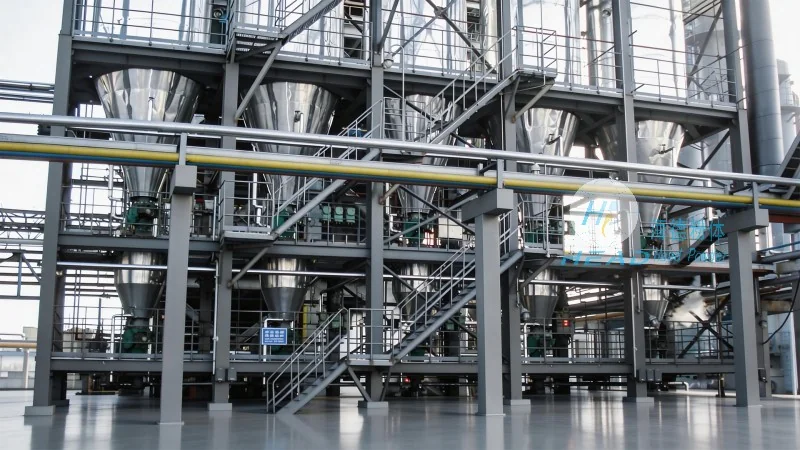
The operation process of a carbon powder pneumatic conveying line begins with the loading of carbon powder into the hopper. The hopper is equipped with a feeder, which regulates the flow rate of the powder into the system. The feeder may use various mechanisms, such as a rotary valve or a screw feeder, to control the amount of material entering the pipeline. Once the powder is in the hopper, the compressor starts, generating the required air pressure. The compressed air is then introduced into the pipeline, creating a flow that lifts the carbon powder particles from the hopper and transports them to the destination point.
During the operation, the system monitors the flow rate and pressure to ensure optimal performance. If the flow rate is too low, the system may experience blockages or inefficient transport. Conversely, if the flow rate is too high, it can lead to excessive wear on the components or increased energy consumption. The control system adjusts the air pressure and flow rate as needed to maintain a stable and efficient operation. The destination point, such as a storage silo or processing unit, is connected to the pipeline, and the carbon powder is deposited there as the air stream slows down and the particles settle.
Key Components and Their Roles in Carbon Powder Pneumatic Conveying Lines
Several key components are integral to the proper functioning of a carbon powder pneumatic conveying line. The hopper serves as the storage container for the carbon powder, providing a consistent supply of material to the system. It is typically designed with a sloped bottom to facilitate the flow of powder into the feeder. The feeder is responsible for controlling the flow rate of the powder, ensuring that it matches the demand of the downstream processes. Different types of feeders, such as rotary valves or vibratory feeders, are used depending on the particle size and flow characteristics of the carbon powder.
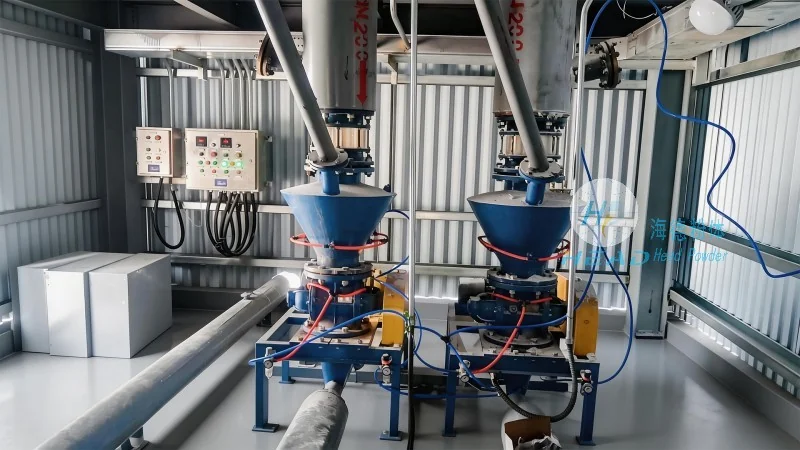
The compressor is a critical component that generates the compressed air required for the conveying process. It must be capable of producing the necessary pressure and volume to move the carbon powder through the pipeline. The choice of compressor type, such as rotary or reciprocating, depends on factors like the system pressure, flow rate, and energy efficiency requirements. The pipeline network connects all the components and guides the carbon powder from the source to the destination. It is typically made of materials resistant to corrosion and wear, such as stainless steel or plastic, to ensure long-term durability.
Benefits and Applications of Carbon Powder Pneumatic Conveying Lines
Carbon powder pneumatic conveying lines offer several benefits in industrial applications. One of the main advantages is the ability to transport fine particles efficiently without the need for mechanical handling equipment. This reduces the risk of contamination and improves product quality. The system also provides flexibility in terms of layout, as the pipeline can be configured to follow the existing industrial setup, minimizing the need for major structural changes. Additionally, pneumatic conveying systems are relatively easy to maintain and can be integrated with other processes, such as dust collection and material recovery.
These lines are widely used in various industries, including the production of carbon-based materials, such as carbon black, activated carbon, and carbon fibers. In the carbon industry, the efficient transport of carbon powders is crucial for maintaining production efficiency and reducing downtime. The systems are also used in other sectors, such as pharmaceuticals and food processing, where the handling of fine powders requires strict control over particle size and purity. HeadPowder’s carbon powder pneumatic conveying lines are designed to meet the specific needs of these industries, ensuring reliable and efficient operation.
Maintenance and Troubleshooting for Carbon Powder Pneumatic Conveying Lines
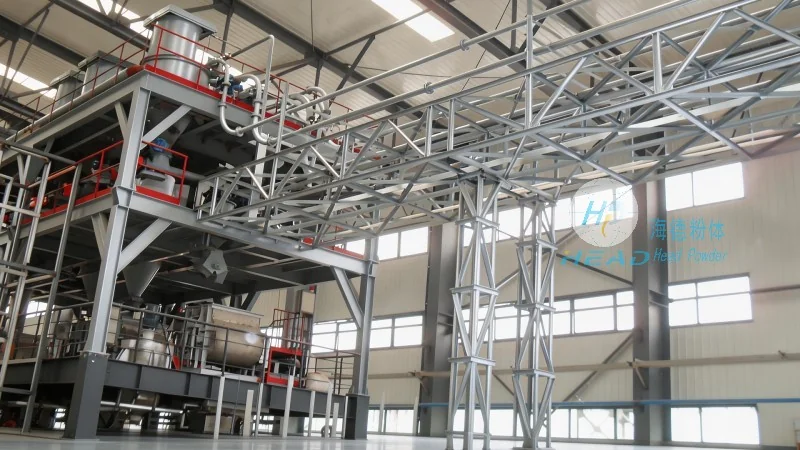
Maintaining the efficiency of a carbon powder pneumatic conveying line requires regular maintenance and monitoring. Regular checks of the system components, such as the hopper, feeder, and compressor, are essential to identify any potential issues before they cause system failure. The hopper and feeder should be inspected for signs of wear or blockage, and the compressor should be checked for proper air pressure and flow. Additionally, the pipeline should be inspected for any signs of corrosion or damage, and the air filters should be replaced as needed to maintain air quality.
Troubleshooting common issues in pneumatic conveying systems is also important. One common problem is blockage in the pipeline, which can be caused by excessive moisture or the accumulation of fine particles. To resolve this, the system may need to be flushed with clean air or the material flow rate adjusted. Another issue is the loss of air pressure, which can be due to a faulty compressor or a leak in the pipeline. In such cases, the compressor should be checked for proper operation, and the pipeline should be inspected for leaks. By addressing these issues promptly, the system can be kept in optimal condition, ensuring continuous and efficient operation.
Conclusion
Carbon powder pneumatic conveying lines are essential for the efficient and reliable transport of carbon powders in industrial applications. The working principle, which relies on compressed air to transport fine particles, offers several advantages over traditional mechanical conveying methods. The operation process involves loading the material, controlling the flow rate, and monitoring the system to ensure optimal performance. Key components, such as the hopper, feeder, and compressor, play critical roles in the system's functionality. The benefits of these systems include improved efficiency, reduced contamination, and flexibility in layout. Regular maintenance and troubleshooting are necessary to keep the system running smoothly. HeadPowder, with its expertise in carbon powder handling, provides high-quality pneumatic conveying solutions that meet the specific needs of clients, ensuring reliable and efficient operation in various industrial sectors.




