Artificial graphite, a critical material in various industrial applications, often requires efficient and reliable methods for transporting its powder and granular forms. Airflow conveying, also known as pneumatic conveying, has emerged as a preferred solution for handling such materials due to its ability to move powders and granules over long distances with minimal maintenance and operational complexity. This article explores the principles and applications of airflow conveying for artificial graphite, highlighting how companies like Shandong HeadPowder Engineering Co., Ltd. leverage this technology to optimize material handling processes.
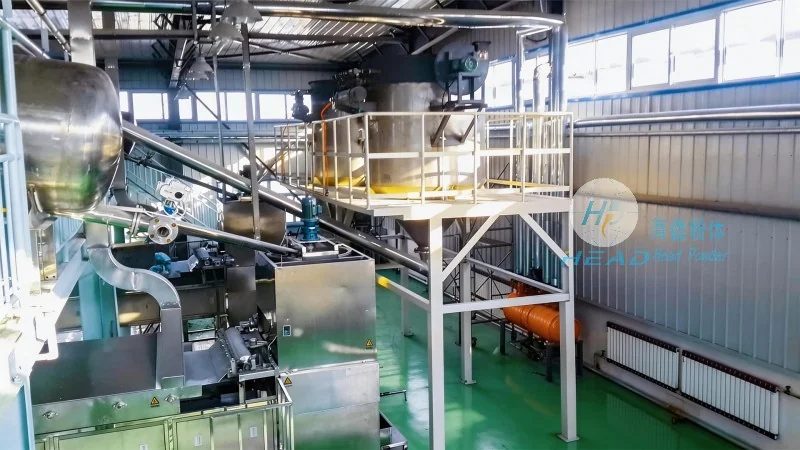
Understanding Pneumatic Conveying Systems
Pneumatic conveying systems utilize pressurized or vacuum air to transport bulk materials like artificial graphite. These systems can be categorized into two main types: dilute-phase and dense-phase. Dilute-phase systems, which are commonly used for artificial graphite, operate at higher velocities and lower material concentrations, making them suitable for long-distance transport. Dense-phase systems, on the other hand, use lower velocities and higher material concentrations, ideal for handling sensitive materials or when high pressure is required. The choice between these systems depends on factors such as material properties, distance, and desired flow rates. For artificial graphite, dilute-phase systems are often preferred due to their efficiency and ability to handle fine powders without excessive wear or degradation.
Key Components of Airflow Conveying Systems
Effective airflow conveying of artificial graphite relies on several key components that work in tandem to ensure smooth and efficient material transport. These components include the conveyor line (hose or pipe), air movers (blowers or vacuum pumps), feeders (hopper or rotary valves), and control systems. The conveyor line, typically made of stainless steel or other corrosion-resistant materials, is designed to withstand the abrasive nature of artificial graphite while maintaining low pressure drop. Air movers provide the necessary pressure or vacuum to move the material through the system. Feeders ensure a consistent and controlled flow of material into the conveyor line, preventing blockages and maintaining system efficiency. Control systems monitor and adjust the airflow and material feed rates in real-time, optimizing performance and minimizing downtime. Shandong HeadPowder Engineering Co., Ltd. specializes in designing and manufacturing these components, ensuring that each part is tailored to the specific needs of artificial graphite handling.
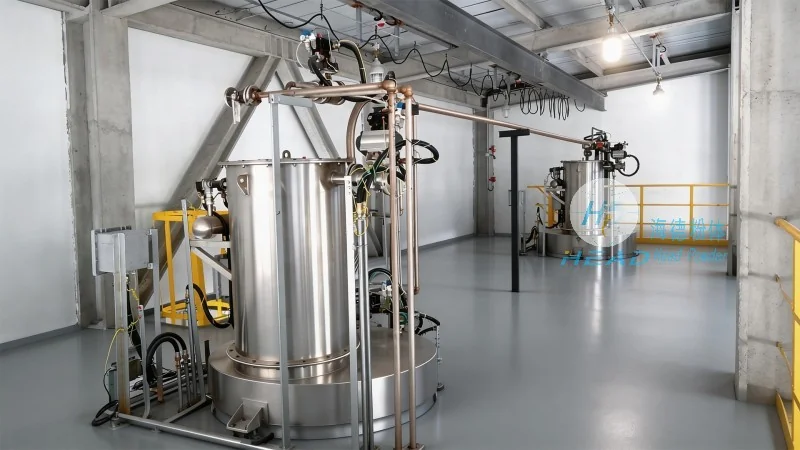
Advantages of Airflow Conveying for Artificial Graphite
Compared to traditional mechanical conveying methods, airflow conveying offers several advantages when handling artificial graphite. One of the primary benefits is the ability to transport materials in a closed system, which helps prevent contamination from external sources and reduces dust emissions. This is particularly important for artificial graphite, which is often used in applications where purity is critical, such as in battery manufacturing or refractory production. Additionally, airflow conveying systems are more flexible and can be easily reconfigured to accommodate changes in production requirements or material flow patterns. They also require less space compared to traditional conveyors, making them suitable for facilities with limited floor space. Another advantage is the reduced risk of material degradation, as the gentle handling of the material by the airflow minimizes abrasion and impact. This is crucial for artificial graphite, which can be sensitive to mechanical stress and may degrade if not handled properly. Overall, airflow conveying provides a cost-effective and efficient solution for transporting artificial graphite, enhancing productivity and maintaining material quality.
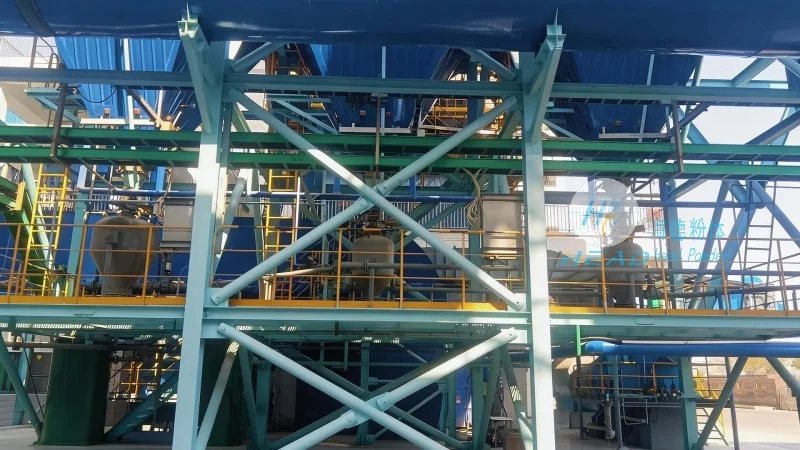
Applications of Airflow Conveying in Artificial Graphite Processing
Airflow conveying is widely used in various stages of artificial graphite processing, from raw material handling to finished product transport. In the raw material stage, airflow systems are used to move graphite powder from storage silos to processing equipment, ensuring a continuous and controlled supply of material. During the processing stage, such as grinding or mixing, airflow conveying can be used to transfer the processed graphite to storage or further processing steps. In the final stage, the finished artificial graphite products are often transported using airflow systems to packaging or shipping areas. The versatility of airflow conveying makes it suitable for a wide range of applications, including the production of battery anodes, refractory materials, and lubricants. Shandong HeadPowder Engineering Co., Ltd. has extensive experience in implementing these systems in various industrial settings, helping clients optimize their artificial graphite processing workflows and improve overall efficiency.
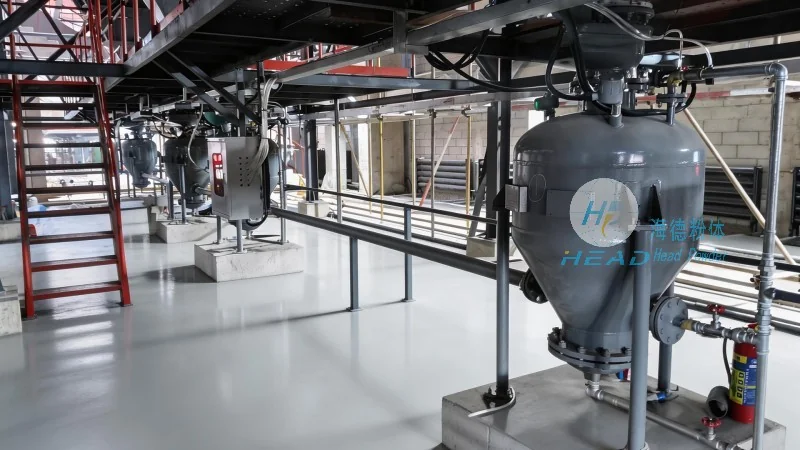
Case Study: Implementing Airflow Conveying for a Graphite Manufacturing Plant
Consider a graphite manufacturing plant that previously relied on traditional bucket elevators and belt conveyors for material transport. The plant faced challenges such as high maintenance costs, frequent breakdowns, and dust contamination issues. After consulting with Shandong HeadPowder Engineering Co., Ltd., the plant decided to implement an airflow conveying system. The new system was designed to handle the plant's artificial graphite production, with a capacity of 100 tons per hour. The system included stainless steel conveyor lines, high-efficiency blowers, and automated feeders. The implementation process involved careful planning and installation, with the company's engineers working closely with the plant's staff to ensure a smooth transition. The results were immediate and significant. The plant experienced a 30% reduction in maintenance costs, as the new system required less frequent repairs. The dust emissions were reduced by 90%, improving workplace safety and compliance with environmental regulations. The material handling efficiency increased by 25%, as the new system allowed for continuous and uninterrupted material flow. This case study demonstrates the effectiveness of airflow conveying in improving the overall performance of artificial graphite processing plants.
Conclusion and Future Trends
Airflow conveying has proven to be an efficient and reliable method for transporting artificial graphite and other fine powders. The technology continues to evolve, with advancements in materials and control systems enhancing its capabilities. Companies like Shandong HeadPowder Engineering Co., Ltd. play a crucial role in developing and implementing these systems, ensuring that clients can leverage the benefits of airflow conveying to optimize their operations. As the demand for artificial graphite grows in industries such as battery technology and renewable energy, the importance of efficient material handling will only increase. By adopting advanced airflow conveying systems, manufacturers can improve productivity, reduce costs, and maintain the quality of their products. The future of artificial graphite processing lies in the continued development and application of such technologies, and Shandong HeadPowder Engineering Co., Ltd. is at the forefront of this evolution.




