Pneumatic conveying systems have become a cornerstone in the handling of bulk powders, offering a versatile and efficient method to transport materials like sodium hydrosulfite from one location to another. For industries relying on this chemical, the ability to move these fine particles safely and effectively is critical. This article explores the principles and applications of pneumatic conveying for sodium hydrosulfite, highlighting how advanced systems can optimize material handling processes.
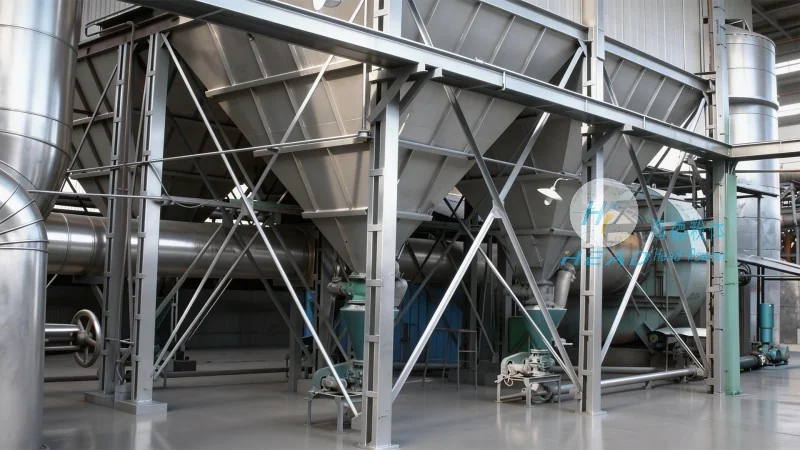
Sodium hydrosulfite, also known as sodium dithionite, is a widely used reducing agent in various industrial applications, including the textile, paper, and food industries. Its fine, powdery nature makes traditional methods of handling, such as manual shoveling or bucket elevators, not only labor-intensive but also prone to dust generation and material loss. Pneumatic conveying addresses these challenges by utilizing air flow to transport the material through a pipeline system, ensuring a clean, dust-free operation.
The core of a pneumatic conveying system involves a few key components: a feeding device, a conveying line, a separation unit, and a discharge point. The feeding device, such as a rotary valve or a screw feeder, introduces the sodium hydrosulfite into the system. Air is then introduced, either by a positive displacement blower or a centrifugal fan, creating a flow that propels the material through the pipeline. The separation unit, typically a cyclone or a filter, separates the material from the air, allowing the air to be recirculated or discharged while the material is collected.
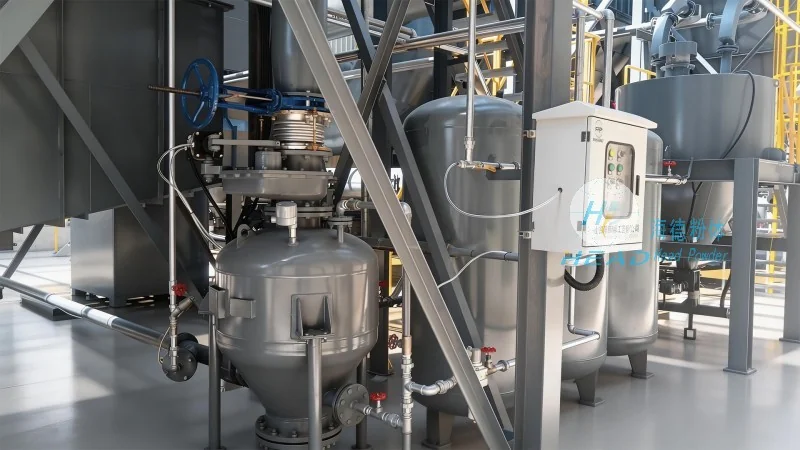
There are two primary types of pneumatic conveying systems: pressure and vacuum. Pressure systems use compressed air to push the material forward, while vacuum systems use a vacuum to pull the material. For sodium hydrosulfite, which is often handled in large quantities, pressure systems are commonly preferred due to their ability to handle higher material loads and longer distances. However, vacuum systems are advantageous in applications where the material needs to be transported from a higher elevation to a lower one or where the system is integrated with existing vacuum lines.
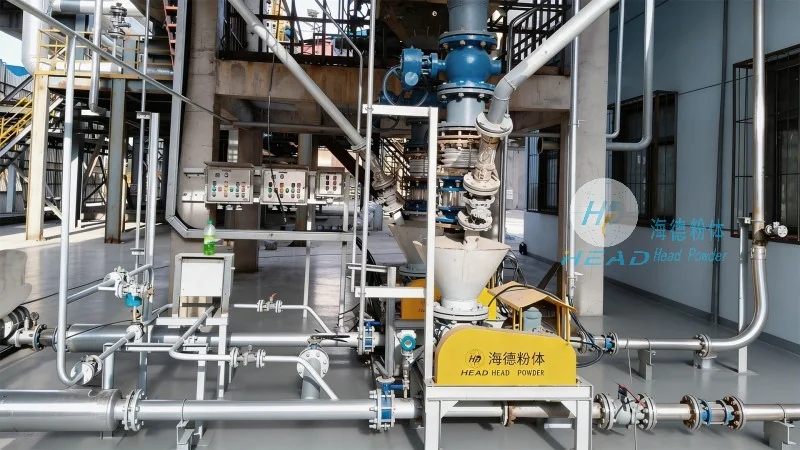
The efficiency of a pneumatic conveying system for sodium hydrosulfite depends on several factors, including the particle size, moisture content, and flow rate. Proper system design, including the selection of appropriate air velocity and pipeline diameter, is crucial to prevent blockages and ensure consistent flow. For example, headpowder, a leading provider in the field, offers customized solutions tailored to the specific characteristics of the sodium hydrosulfite being handled.
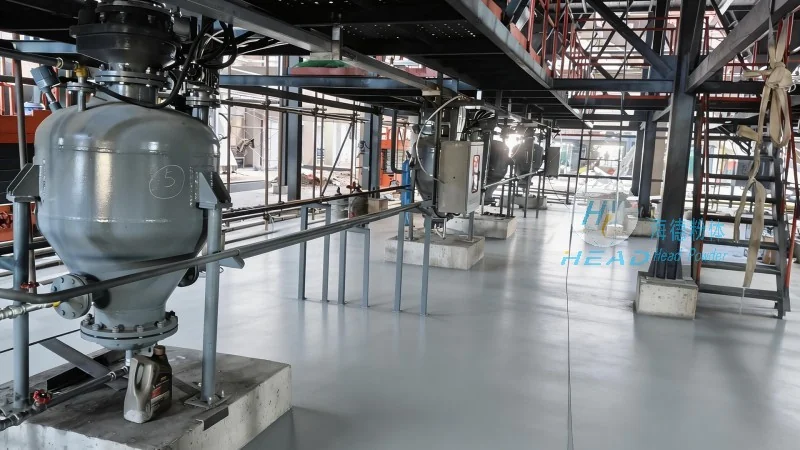
Headpowder, Shandong HeadPowder Engineering Co., Ltd., based in Shandong, China, specializes in the design, manufacturing, and installation of pneumatic conveying systems for various bulk materials. The company's expertise lies in understanding the unique properties of chemicals like sodium hydrosulfite and adapting the conveying system to meet the operational requirements of the client. Their systems are engineered to minimize dust emissions, reduce material degradation, and enhance overall process efficiency.
In conclusion, pneumatic conveying offers a reliable and efficient solution for transporting sodium hydrosulfite. By leveraging air flow to move the material through a closed system, industries can achieve safer, cleaner, and more productive operations. With companies like headpowder providing tailored solutions, the challenges associated with handling fine powders can be effectively addressed, ensuring optimal performance and cost savings in material handling processes.




