

Working Principle and Features of Industrial Alkali Pneumatic Conveying Systems
Industrial alkali pneumatic conveying systems are essential equipment in various industrial processes, particularly in the handling and transportation of alkaline materials. These systems utilize air or other gases to transport bulk materials from one location to another, offering a efficient and flexible solution for material handling. The working principle and key features of such systems are crucial for understanding their application and benefits in industrial settings.
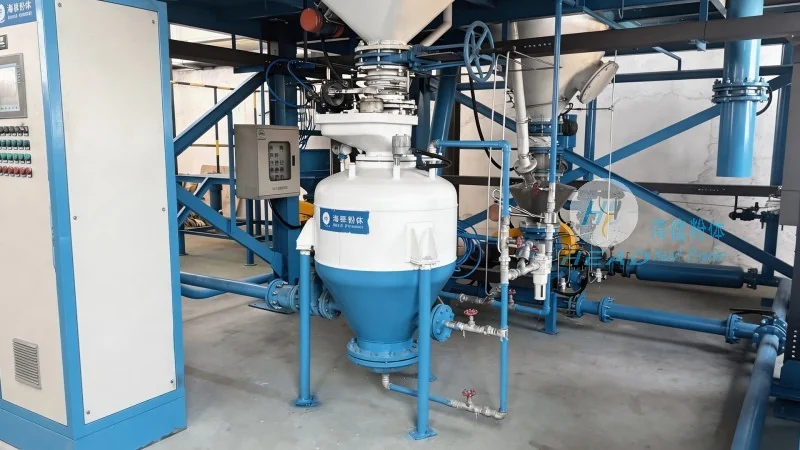
Overview of Industrial Alkali Pneumatic Conveying Systems
Industrial alkali pneumatic conveying systems are designed to transport alkaline materials, such as caustic soda, lime, or other chemical compounds, through a pipeline using air or gas as the conveying medium. The system typically consists of a hopper for material storage, a blower or compressor to generate the air flow, a pipeline network, and a discharge point where the material is released. The process involves feeding the material into the hopper, where it is then drawn into the pipeline by the air flow, and transported to the destination. This method eliminates the need for mechanical components like belts or buckets, reducing maintenance and increasing operational efficiency.
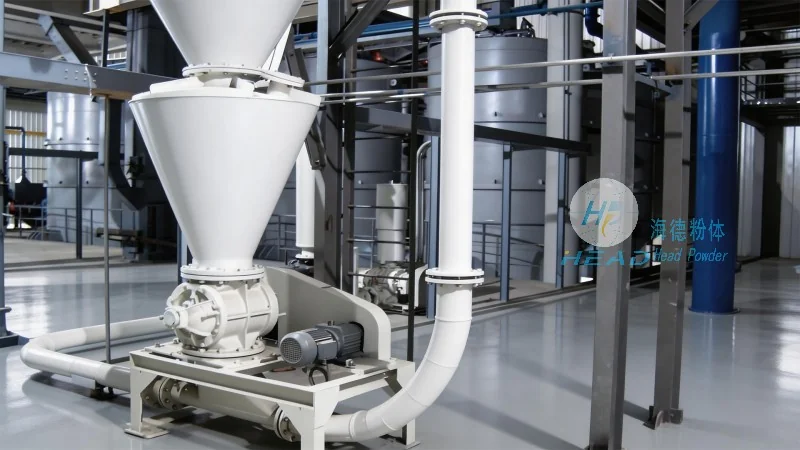
The Working Principle of Industrial Alkali Pneumatic Conveying Systems
The core working principle of industrial alkali pneumatic conveying systems is based on the creation of a high-velocity air stream that entrains the solid particles of the alkali material. As the material is introduced into the hopper, it falls into the pipeline, where the air flow, generated by a blower or compressor, picks up the particles and transports them through the system. The air velocity is carefully controlled to ensure that the particles are fully suspended and conveyed without causing blockages or excessive wear on the system components. The system operates under positive or negative pressure, depending on the specific design and application requirements. Positive pressure systems use compressed air to push the material through the pipeline, while negative pressure systems use suction to draw the material from the source. The choice between these two depends on factors such as the material properties, distance to be conveyed, and the need for dust control.
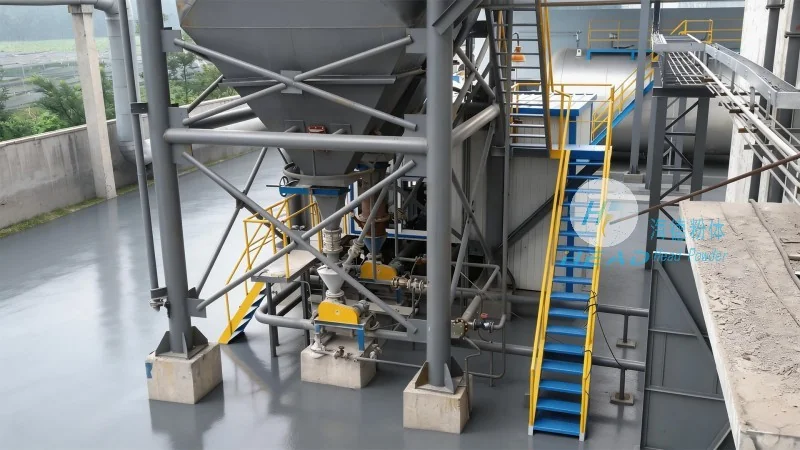
Key Features of Industrial Alkali Pneumatic Conveying Systems
Industrial alkali pneumatic conveying systems offer several advantages that make them ideal for handling alkaline materials. One of the primary features is their ability to handle a wide range of particle sizes and shapes, from fine powders to larger granules. This versatility allows for the transportation of various alkali materials without the need for multiple systems. Another key feature is the system's ability to maintain a consistent flow rate and pressure, ensuring reliable and continuous operation. This is crucial for processes that require a steady supply of material, such as in chemical manufacturing or food processing. Additionally, these systems are designed with corrosion-resistant materials, such as stainless steel or special coatings, to withstand the harsh chemical environment of alkali materials. This ensures long-term durability and minimal maintenance costs. The systems also incorporate dust control measures, such as cyclone separators or filters, to minimize the release of airborne particles and maintain a safe working environment. Furthermore, the modular design of these systems allows for easy expansion or modification to accommodate changing production needs. This flexibility is particularly valuable in industries where production volumes or material types may vary over time.
Application and Benefits in Industrial Settings
Industrial alkali pneumatic conveying systems are widely used in various industries, including chemical manufacturing, food processing, and pharmaceuticals. In chemical manufacturing, these systems are used to transport caustic soda, lime, or other alkaline chemicals to reactors or storage tanks. The efficient and safe transportation of these materials is critical for maintaining production efficiency and ensuring product quality. In food processing, the systems are used to handle alkaline ingredients, such as baking soda or calcium carbonate, in the production of baked goods or beverages. The ability to transport these materials without contamination or degradation is essential for maintaining food safety standards. In the pharmaceutical industry, the systems are used to handle alkaline powders or granules used in the production of medications. The sterile and controlled environment of these systems ensures that the materials are handled without introducing contaminants, which is critical for pharmaceutical quality. The benefits of using industrial alkali pneumatic conveying systems include increased operational efficiency, reduced labor costs, and improved safety. By eliminating the need for manual handling of bulk materials, these systems reduce the risk of accidents and injuries. Additionally, the consistent flow rate and pressure control ensure that the material is transported reliably, reducing downtime and increasing overall productivity. The corrosion-resistant materials used in the construction of these systems also contribute to their long service life, reducing the need for frequent replacements and maintenance.
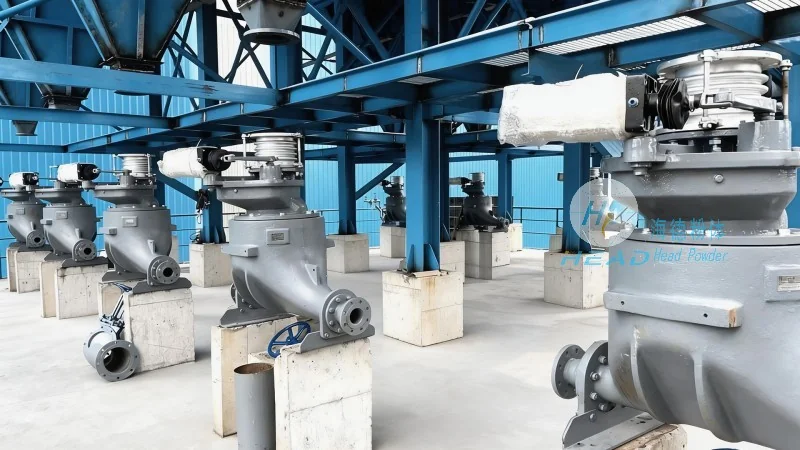
Conclusion
Industrial alkali pneumatic conveying systems are a vital component in the efficient and safe handling of alkaline materials in various industrial applications. The working principle, which involves the use of air or gas to transport solid particles, combined with key features such as versatility, durability, and dust control, makes these systems an ideal choice for industrial processes. The systems are designed and manufactured by companies like Shandong HeadPowder Engineering Co., Ltd., a leading provider of industrial material handling solutions. With their expertise in engineering and manufacturing, HeadPowder offers high-quality pneumatic conveying systems that meet the specific needs of their clients. The company's commitment to quality and customer satisfaction ensures that their systems are reliable, efficient, and cost-effective, contributing to the success of their clients' operations. As industrial processes continue to evolve, the demand for advanced material handling solutions will only increase, and industrial alkali pneumatic conveying systems will remain a critical part of the industry's infrastructure.