Camellia seed, also known as tea seed, is a key raw material in the production of oil and other derivatives. The efficient handling and transportation of these seeds are crucial for optimizing the overall production process in oil processing facilities. The pneumatic conveying line designed specifically for camellia seeds represents a sophisticated solution that integrates advanced engineering principles to ensure reliable and efficient material transport. This document provides an overview of the structure and operational principles of such a system, highlighting its key components and the technology behind its functionality.
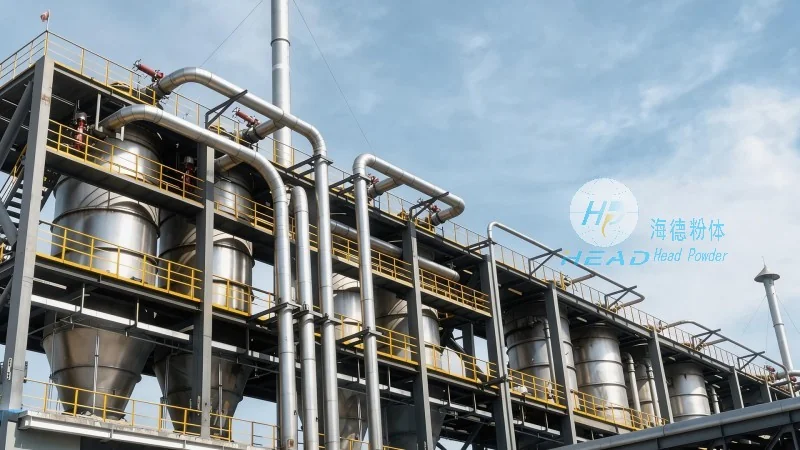
Key Structural Components of the Pneumatic Conveying Line
The camellia seed pneumatic conveying line consists of several interconnected components that work in harmony to transport seeds from the source to the processing unit. The primary components include the hopper, feeder, air compressor, conveying pipeline, and control system. Each component plays a vital role in the overall operation, ensuring smooth and continuous material flow.
The hopper is the initial storage unit where camellia seeds are collected before being fed into the system. It is typically designed with a wide opening to facilitate easy loading and a smooth interior surface to minimize seed degradation. The feeder, often a rotary valve or a screw feeder, regulates the flow of seeds from the hopper into the conveying pipeline. This component ensures a consistent and controlled feed rate, preventing overloading or underfeeding that could disrupt the conveying process.
The air compressor is the heart of the pneumatic system, responsible for generating the necessary air pressure to move the seeds through the pipeline. High-pressure air is introduced into the pipeline, creating a flow that propels the seeds forward. The choice of compressor type, such as a rotary screw or a piston compressor, depends on factors like the required air volume, pressure, and the nature of the material being conveyed. In the case of camellia seeds, a compressor that can handle the specific particle size and density is essential for maintaining efficient transport.
The conveying pipeline is a network of pipes that connects the feeder to the processing unit. The design of the pipeline, including the diameter, material, and layout, is critical for minimizing pressure losses and ensuring uniform flow. The pipeline may include bends, elbows, and other fittings that are carefully engineered to maintain the air-seed mixture's velocity and prevent blockages. The use of smooth, corrosion-resistant materials like stainless steel or high-grade plastic is common to ensure durability and prevent seed contamination.
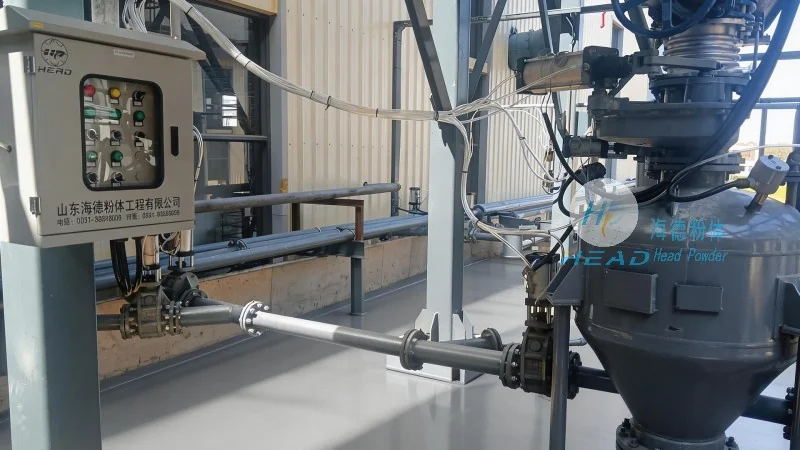
The control system monitors and regulates the operation of the entire conveying line. It includes sensors, valves, and a control panel that allows operators to adjust parameters such as air pressure, feed rate, and pipeline temperature. The system can be equipped with safety features, such as pressure relief valves and emergency shut-off mechanisms, to prevent accidents and protect equipment. Advanced control systems may also incorporate data logging and remote monitoring capabilities, enabling real-time tracking of the conveying process and facilitating maintenance scheduling.
Working Principle of the Pneumatic Conveying System
The operation of the camellia seed pneumatic conveying line is based on the principle of pneumatic transport, where solid particles are suspended and transported by a moving air stream. The process begins when seeds are discharged from the hopper into the feeder. The feeder then introduces the seeds into the conveying pipeline at a controlled rate. Simultaneously, the air compressor supplies high-pressure air into the pipeline, creating a flow that carries the seeds forward.
As the air and seeds mix in the pipeline, the seeds are suspended in the air stream, allowing them to be transported over long distances without the need for mechanical conveyors. The velocity of the air stream must be sufficient to keep the seeds in suspension and overcome the gravitational forces acting on them. The design of the pipeline and the air pressure are carefully optimized to achieve this balance, ensuring efficient transport with minimal energy consumption.
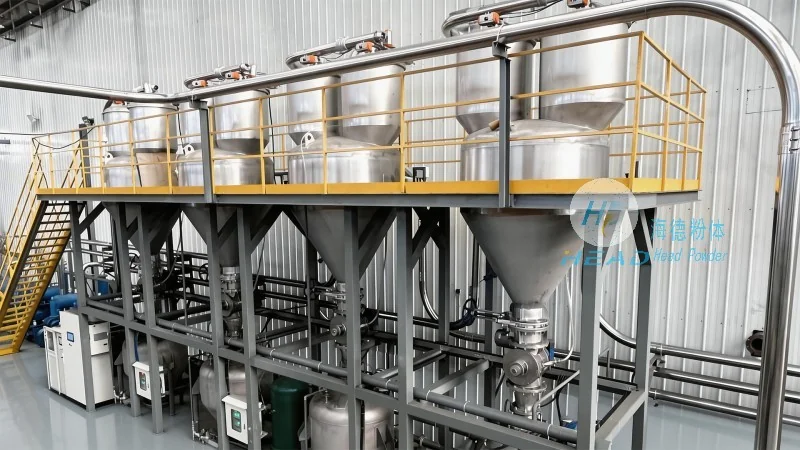
Upon reaching the processing unit, the air-seed mixture is separated. This is typically done using a separator or a cyclone, which uses centrifugal force to separate the seeds from the air. The separated seeds are then collected and directed to the next stage of processing, such as oil extraction or further cleaning. The air, now free of seeds, is either filtered and recirculated back into the system or discharged to the atmosphere, depending on the system design and environmental regulations.
The entire process is continuous and automated, with the control system ensuring that the feed rate and air pressure are maintained at optimal levels. This automation reduces the need for manual intervention, minimizing the risk of human error and enhancing the overall efficiency of the operation. The system is also designed to be flexible, allowing adjustments to be made based on changes in seed quantity or processing requirements.
About HeadPowder Engineering Co., Ltd.
HeadPowder Engineering Co., Ltd., headquartered in Shandong, China, is a reputable manufacturer specializing in the development and production of advanced material handling equipment. The company has built a strong reputation for its commitment to quality, innovation, and customer satisfaction. With a team of experienced engineers and technicians, HeadPowder designs and manufactures pneumatic conveying systems that meet the highest industry standards. The camellia seed pneumatic conveying line is a testament to the company's expertise in tailoring solutions to specific industrial needs, ensuring that clients receive equipment that is both efficient and reliable.
HeadPowder's products are designed to enhance productivity and reduce operational costs in various industries. By leveraging advanced engineering principles and using high-quality materials, the company ensures that its equipment can withstand the rigors of continuous operation. The company also provides comprehensive after-sales support, including installation, maintenance, and technical assistance, to ensure that clients can maximize the performance of their equipment over its lifespan.




