In the coffee processing and transportation industry, pneumatic conveying technology is a key factor in ensuring efficient, clean transmission of products from raw materials to finished goods. For coffee powders and other fragile, environmentally sensitive materials, choosing the right pneumatic conveying method is crucial. This article delves into the application of positive pressure and negative pressure conveying methods in the coffee industry, comparing their technical characteristics, advantages and disadvantages, and applicable scenarios to provide valuable references for coffee processing enterprises.
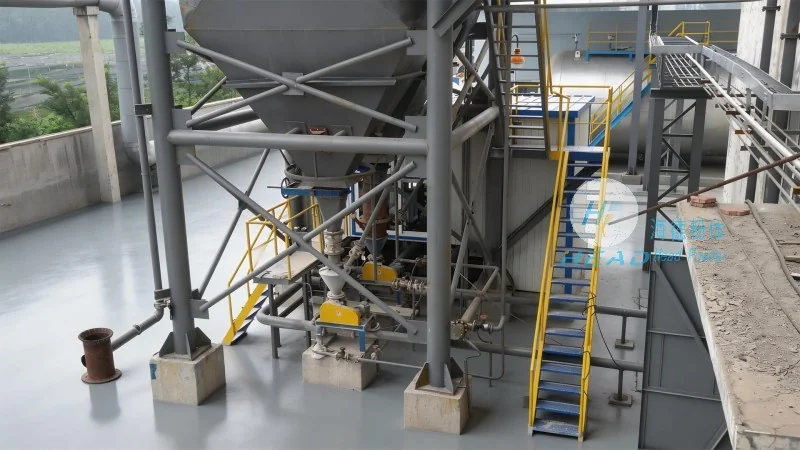
Coffee Processing and Pneumatic Conveying: The Importance of Choosing the Right Method
Throughout the coffee supply chain—from planting and roasting to final packaging—the material handling stage directly impacts production efficiency, product quality, and operational safety. As a contactless, continuous conveying technology, pneumatic conveying is widely used for transporting coffee beans and powders. However, different pneumatic conveying methods, such as positive pressure and negative pressure conveying, have significant differences in their principles, system structures, and application effects. Understanding the strengths and weaknesses of these methods helps enterprises select the most suitable conveying solution based on their production scale, material properties, and process requirements.
Positive Pressure Conveying: Advantages and Applications
Positive pressure conveying (Positive Pressure Conveying) pushes materials from the feeding point to the receiving point by maintaining an air pressure higher than the ambient pressure in the conveying pipeline. For coffee powders, which are prone to dust generation and moisture absorption, positive pressure conveying offers several advantages: first, the system pressure is higher than atmospheric pressure, effectively preventing external air from entering the pipeline and reducing the contact between materials and air, thus minimizing oxidation and moisture absorption risks and preserving the original flavor and quality of the coffee powder. Second, positive pressure conveying has a faster conveying speed, capable of handling large volumes of materials to improve production efficiency. Additionally, the system typically uses a closed pipeline, reducing dust leakage and improving the working environment, meeting the environmental requirements of modern industry. In coffee roasting, cooling, grinding, and packaging stages, positive pressure conveying is commonly used to transport freshly roasted coffee powders, ensuring their rapid and clean transmission to packaging equipment.
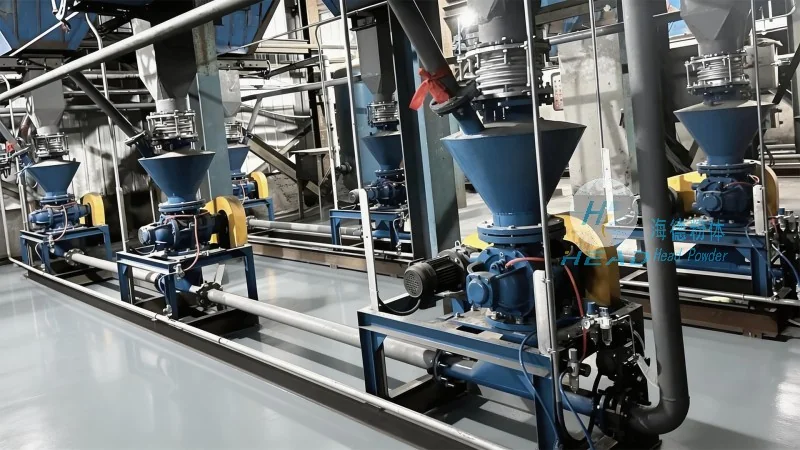
Negative Pressure Conveying: Characteristics and Use Cases
Negative pressure conveying (also known as suction conveying) draws materials from the receiving point into the conveying pipeline by maintaining an air pressure lower than the ambient pressure. Compared to positive pressure conveying, negative pressure conveying has its unique advantages in the coffee industry. First, the system typically uses an open or semi-open structure, facilitating material collection from multiple points and is suitable for the initial processing of raw coffee beans. Second, negative pressure conveying can cover longer distances, with simpler pipeline layouts and lower equipment costs for long-distance transportation. Additionally, it causes less wear on materials, making it suitable for handling brittle coffee beans and reducing breakage rates. However, negative pressure conveying also has limitations: the system pressure is lower than atmospheric pressure, requiring more complex filtration and dust removal equipment to prevent external pollutants from entering the system; and its conveying speed is slower, which may require more pipelines or equipment for high-output coffee processing lines to meet production demands.
Key Differences and Selection Criteria
There are significant differences between positive and negative pressure conveying in technical parameters, system structures, and application effects. Enterprises should consider the following factors when selecting: first, material properties. For oxidizable and moisture-sensitive coffee powders, positive pressure conveying is more suitable; for coffee beans, negative pressure conveying may be better. Second, production scale. Large-scale coffee processing enterprises may need the high-efficiency handling capacity of positive pressure systems, while small and medium-sized enterprises may prefer the flexibility and low cost of negative pressure systems. Third, conveying distance. For long-distance transportation, negative pressure conveying has simpler pipeline layouts, while positive pressure conveying may require higher pressure and more complex sealing systems. Fourth, environmental requirements. The closed system of positive pressure conveying is more suitable for dust control in production environments, while negative pressure conveying may require additional dust removal equipment. Additionally, system maintenance costs, energy consumption, and investment budgets are also important considerations for enterprises.
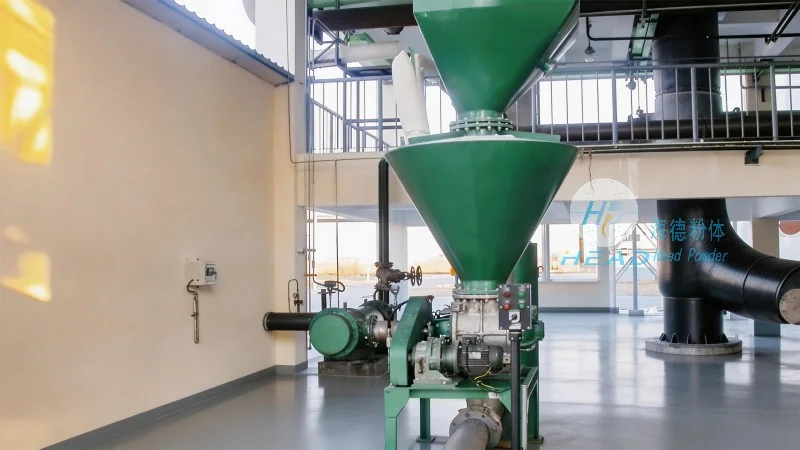
Case Study: Application in Shandong HeadPowder Engineering Co., Ltd.
Shandong HeadPowder Engineering Co., Ltd., a leading enterprise specializing in powder engineering solutions, has extensive experience in the design, manufacturing, and installation of pneumatic conveying systems for the coffee industry. The company provides customized positive or negative pressure conveying systems based on customer needs. For example, a large coffee roasting enterprise chose HeadPowder's positive pressure conveying system for material transport from coffee bean coolers to grinders. The system uses a high-pressure blower to keep coffee beans dry during conveying, avoiding moisture damage and maintaining their original flavor. The closed pipeline also reduces dust leakage, improving the workshop environment. Operational data shows that the system increased material conveying efficiency by about 30% while preserving the coffee bean's original flavor. Another coffee packaging enterprise adopted HeadPowder's negative pressure conveying system to collect coffee powders from multiple raw material silos and transport them to the packaging line. The system draws coffee powders from multiple points using a negative pressure blower, filters and dusts them before sending to packaging equipment. Although the conveying speed is slower, its flexible collection method meets the needs of multi-raw material and small-batch packaging, reducing equipment costs.
Conclusion: Choosing the Right Pneumatic Conveying Method for Coffee
As two main pneumatic conveying methods in the coffee industry, positive and negative pressure conveying each have unique advantages and application scenarios. Positive pressure conveying excels in preserving material quality, improving conveying efficiency, and improving the working environment, making it suitable for coffee powders and other environmentally sensitive materials; while negative pressure conveying has advantages in material collection flexibility, long-distance transportation, and handling brittle materials, suitable for coffee bean processing. Enterprises should choose the appropriate pneumatic conveying method based on their production needs, material properties, production scale, and cost budgets. Additionally, cooperating with professional powder engineering companies, such as Shandong HeadPowder Engineering Co., Ltd., ensures the optimized design and efficient operation of conveying systems, providing strong support for coffee processing enterprises' production efficiency and product quality. By scientifically selecting and reasonably applying pneumatic conveying technology, coffee enterprises can better control the production process and enhance product competitiveness, meeting market demands for high-quality coffee products.




