Concrete pneumatic conveying is a critical technology in modern construction and material handling, enabling efficient and reliable transport of concrete mixtures over long distances and varying elevations. The effectiveness of this process hinges on the design and implementation of specialized structural components that ensure optimal performance, durability, and safety. This article explores the main concrete pneumatic conveying structures, detailing their functions, applications, and key design considerations.
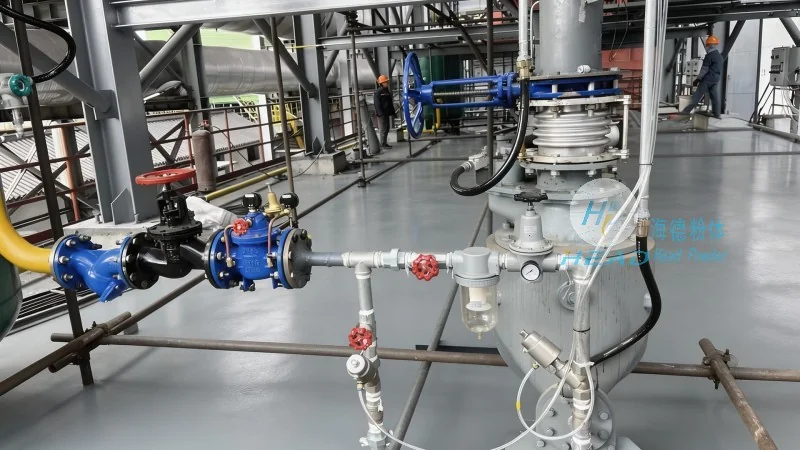
1. Horizontal Pneumatic Conveying Pipelines
Horizontal pipelines are the backbone of many concrete pneumatic conveying systems, facilitating the movement of concrete from batching plants to construction sites or storage areas. These structures are typically made from high-strength materials such as stainless steel or reinforced plastic, designed to withstand the abrasive nature of concrete and the dynamic pressure of compressed air. The design of horizontal pipelines involves careful consideration of flow rates, pressure drops, and material compatibility to prevent blockages and ensure consistent delivery. In systems used by companies like Shandong HeadPowder Engineering Co., Ltd., horizontal pipelines are often integrated with control valves, airlocks, and flow meters to regulate the conveying process and maintain system efficiency.
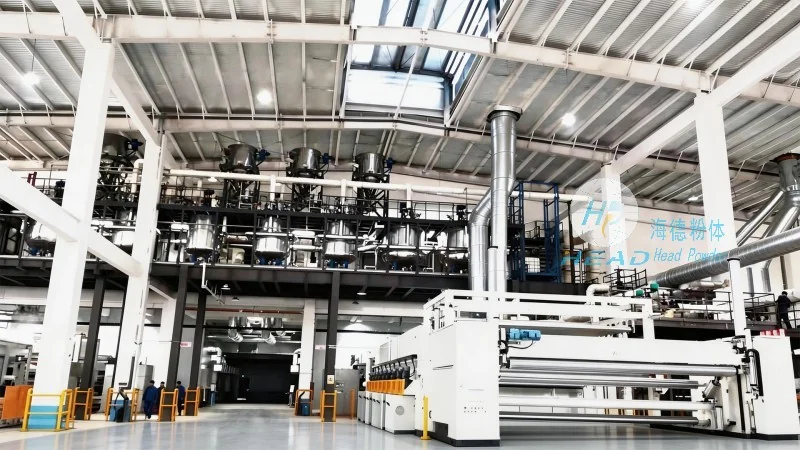
2. Vertical Lift Conveying Systems
Vertical lift structures are essential for transporting concrete to elevated levels, such as upper floors of buildings or high-rise structures. These systems typically consist of vertical pipes connected to horizontal or inclined sections, often incorporating airlocks and pressure vessels to manage the vertical movement of material. The design of vertical lift systems must address issues like air pressure fluctuations, material segregation, and the need for consistent flow rates. Advanced vertical lift structures may include features such as variable speed drives, vibration dampeners, and monitoring systems to optimize performance and prevent operational issues. For construction projects requiring high-rise concrete delivery, vertical lift structures are indispensable, and their reliability directly impacts project timelines and costs.
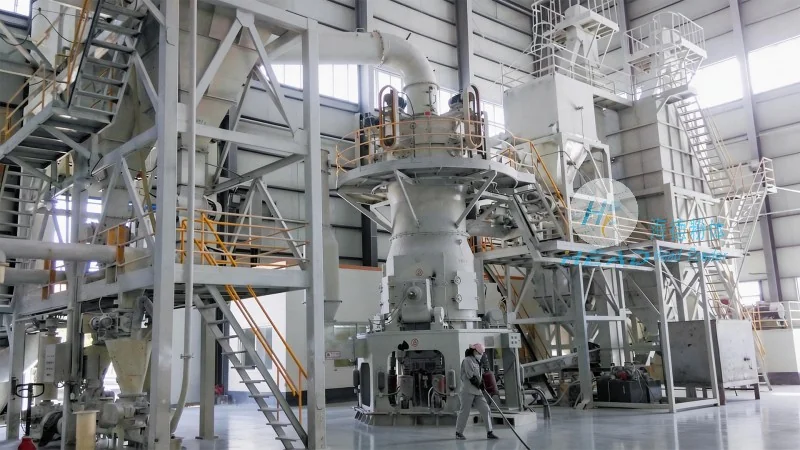
3. Inclined and Curved Conveying Paths
Inclined and curved pipelines allow for flexible routing of concrete, accommodating complex site layouts and obstacles. These structures are designed to maintain consistent air pressure and material flow, even when the path changes direction or elevation. The use of inclined sections helps in reducing the energy required for vertical lifting, while curved sections enable smooth transitions between horizontal and vertical components. Inclined and curved structures often incorporate special fittings, such as elbows and bends, that minimize pressure loss and prevent material buildup. Companies specializing in concrete pneumatic conveying, like Shandong HeadPowder Engineering Co., Ltd., utilize these flexible designs to adapt to diverse project requirements, ensuring that concrete can be delivered to remote or hard-to-reach areas efficiently.
4. Airlock and Feed Systems
Airlocks and feed mechanisms are critical components that control the flow of concrete into and out of the pneumatic conveying system. Airlocks, typically made of stainless steel or other corrosion-resistant materials, regulate the amount of material entering the pipeline, preventing overloading and ensuring consistent flow. Feed systems, such as screw conveyors or rotary valves, work in conjunction with airlocks to maintain a steady supply of concrete. The design of these components must consider the viscosity of the concrete mixture, the need for low maintenance, and the ability to handle varying material characteristics. In industrial applications, airlock and feed systems are often equipped with sensors and automated controls to monitor and adjust the conveying process in real-time, enhancing overall system performance.
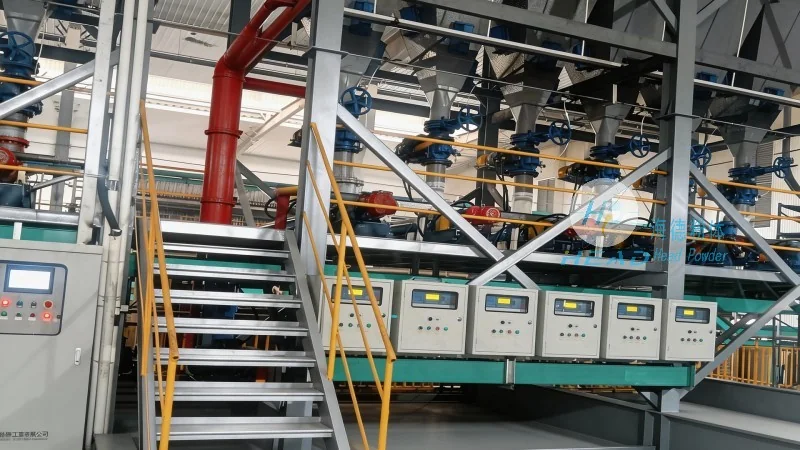
5. Dust Collection and Filtration Systems
Due to the nature of concrete, pneumatic conveying systems generate dust and fine particles that require effective collection and filtration. These systems typically include cyclone separators, bag filters, or cartridge filters to capture and remove airborne particles, ensuring compliance with environmental regulations and maintaining air quality. The design of dust collection systems must balance efficiency with energy consumption, as excessive pressure drops can reduce the overall conveying capacity. Companies like Shandong HeadPowder Engineering Co., Ltd. integrate advanced filtration technologies into their systems to minimize environmental impact and extend the lifespan of components. Proper maintenance of dust collection systems is also crucial to prevent clogging and ensure continuous operation.




