When it comes to transporting bulk materials like steel and limestone, pneumatic conveying systems offer an efficient and reliable solution. However, a common challenge in such operations is the risk of pipeline blockages, which can halt production and lead to costly downtime. Understanding how to prevent these blockages through proper design and maintenance is crucial for optimizing system performance. This article explores effective strategies and key design parameters that help mitigate blockages in pneumatic conveying systems used for steel and limestone transport.
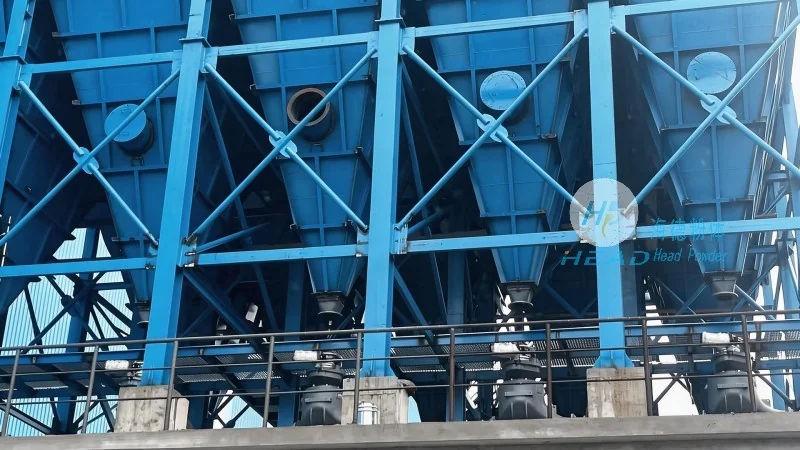
About HeadPowder Engineering
HeadPowder, a leading engineering company based in Shandong, China, specializes in the design, manufacturing, and installation of advanced pneumatic conveying systems. With years of experience in the industry, HeadPowder has developed expertise in handling challenging materials such as steel and limestone, ensuring systems are built to withstand the demands of heavy-duty applications. The company’s commitment to quality and innovation has made it a trusted partner for businesses seeking reliable material handling solutions.
Key Design Parameters for Preventing Pipeline Blockages
Preventing pipeline blockages in pneumatic conveying systems for steel and limestone transport involves careful consideration of several critical design parameters. These parameters are tailored to the specific characteristics of the materials being conveyed and the operational requirements of the system. Below are the key factors that contribute to a blockage-free operation:
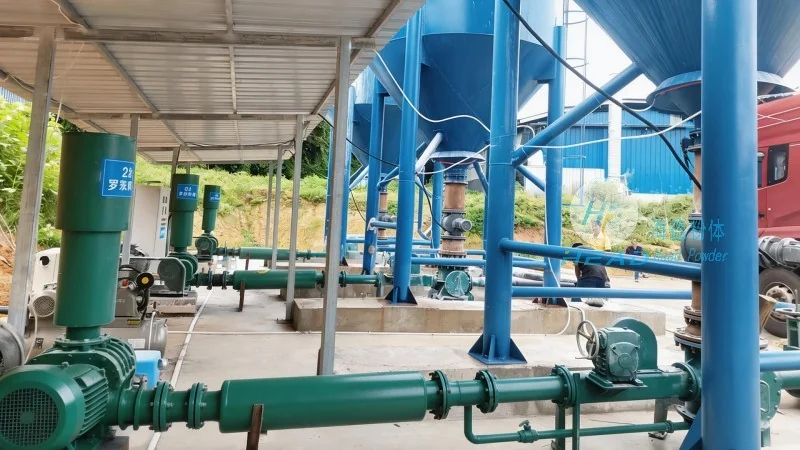
System Pressure and Airflow Rate
The pressure and airflow rate are fundamental to the success of a pneumatic conveying system. Higher pressure and adequate airflow ensure that the material is adequately suspended and transported through the pipeline. For steel and limestone, which are often abrasive and have varying particle sizes, maintaining optimal pressure levels is essential. HeadPowder recommends using pressure ranges that are suitable for the material's density and flowability. For example, in systems handling limestone, pressures between 0.5 to 1.0 MPa are common, while steel applications may require higher pressures, typically ranging from 1.0 to 1.5 MPa. The airflow rate must be sufficient to keep the material in suspension, preventing it from settling and causing blockages. Properly sizing the air compressor and ductwork is crucial to achieve the required pressure and airflow.
Pipeline Diameter and Length
The diameter of the pipeline and its length play a significant role in preventing blockages. Larger diameter pipes reduce the velocity of the material, which can help prevent abrasion and wear on the system components. However, overly large pipes may increase energy consumption and cost. For steel and limestone, a common diameter range is 100 to 200 mm, depending on the material flow rate and particle size. The length of the pipeline also affects the system's performance. Longer pipelines may require additional boosters or larger diameter pipes to maintain sufficient pressure and airflow. HeadPowder engineers carefully calculate the pipeline dimensions based on the material's characteristics and the system's operational parameters to ensure optimal performance and minimize the risk of blockages.
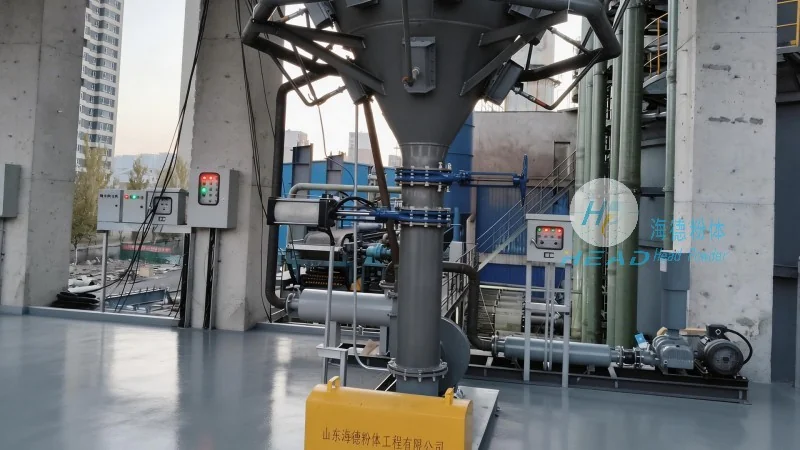
Bend and Elbow Design
The design of bends and elbows in the pipeline is critical for preventing blockages, especially in systems handling abrasive materials like steel and limestone. Sharp bends can cause material to impact the pipe walls, leading to wear and potential blockages. HeadPowder uses smooth, gradual bends with radii that are at least 5 times the pipe diameter. This design reduces friction and prevents material accumulation at the bend points. Additionally, the use of wear-resistant materials for the bends, such as stainless steel or special alloys, further enhances the system's durability and reduces the risk of blockages caused by wear and tear.
Material Characteristics and Feeding Methods
The physical properties of the material being conveyed, including particle size, density, and flowability, directly impact the risk of blockages. Steel and limestone often have irregular shapes and high abrasiveness, which can increase the likelihood of blockages if not properly managed. HeadPowder recommends using proper feeding methods, such as rotary valves or star feeders, to ensure a consistent and controlled flow of material into the system. These feeding devices help prevent surges and uneven material distribution, which can lead to blockages. Additionally, pre-screening or conditioning the material before it enters the conveying system can help remove oversized particles or moisture, reducing the risk of blockages caused by material buildup.
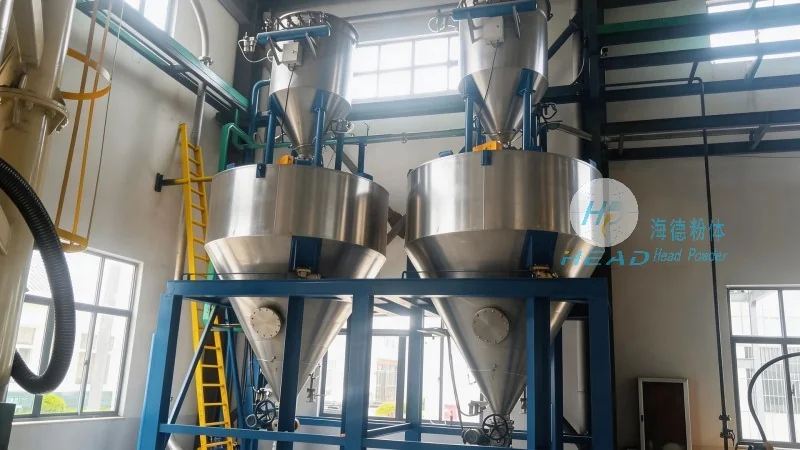
System Maintenance and Monitoring
Even with proper design, regular maintenance and monitoring are essential to prevent pipeline blockages. HeadPowder emphasizes the importance of routine inspections, cleaning, and lubrication of system components. This includes checking for wear on the pipe walls, bends, and elbows, as well as ensuring that the air filters and compressors are functioning correctly. Modern monitoring systems, such as pressure sensors and flow meters, can provide real-time data on the system's performance, allowing operators to detect potential issues before they lead to blockages. By implementing a proactive maintenance schedule, businesses can extend the life of their pneumatic conveying systems and minimize downtime caused by blockages.
Conclusion
Preventing pipeline blockages in pneumatic conveying systems for steel and limestone transport requires a combination of proper design, material handling expertise, and regular maintenance. HeadPowder Engineering, with its extensive experience and commitment to quality, provides comprehensive solutions that address the unique challenges of handling these materials. By focusing on key design parameters such as system pressure, pipeline dimensions, bend design, and material feeding methods, businesses can ensure efficient and reliable operation of their pneumatic conveying systems. With HeadPowder's expertise, companies can minimize downtime, reduce maintenance costs, and achieve optimal performance in their material handling operations.




