Coal particle pneumatic conveying systems are essential equipment in modern material handling, particularly for transporting bulk materials like coal over long distances or within industrial facilities. These systems utilize air as the primary medium to move solid particles, offering advantages such as dust control, flexibility in layout, and the ability to handle various particle sizes and moisture content. Understanding the structure and working principles of such systems is crucial for optimizing performance and ensuring efficient operation in coal processing and transportation applications.
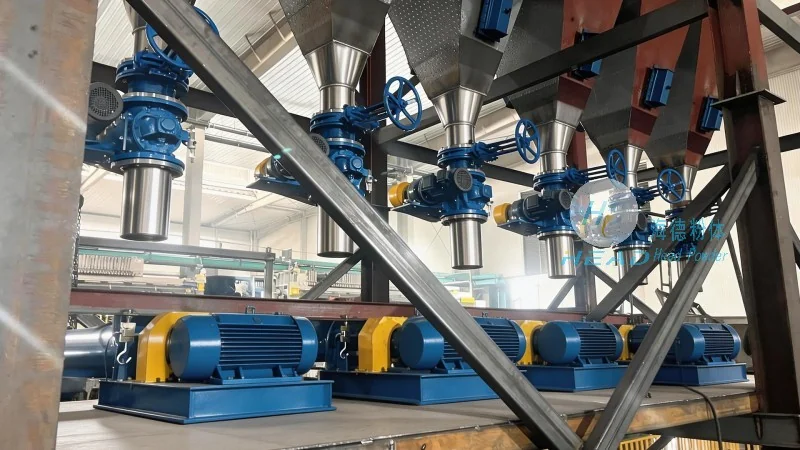
Key Components of a Coal Particle Pneumatic Conveying System
A typical coal particle pneumatic conveying system consists of several critical components that work in concert to achieve material transport. The main components include a hopper or feeder for material storage and feeding, a conveying line (either positive or negative pressure), a separator or filter to remove air from the material stream, and a discharge unit for delivering the coal to its destination. Each component plays a vital role in the overall efficiency and reliability of the system.
Working Principle of Pneumatic Conveying
The operation of a coal particle pneumatic conveying system is based on the principle of air movement and particle suspension. In a positive pressure system, air is blown into the conveying line, creating a pressure higher than the ambient air, which forces the coal particles to move along the pipe. The particles are suspended in the air stream, allowing them to travel through the system without significant friction or blockage. In contrast, a negative pressure system draws air and particles into the line using a vacuum, creating a lower pressure environment that pulls the material along. Both systems rely on the balance of air velocity and particle size to maintain efficient transport.
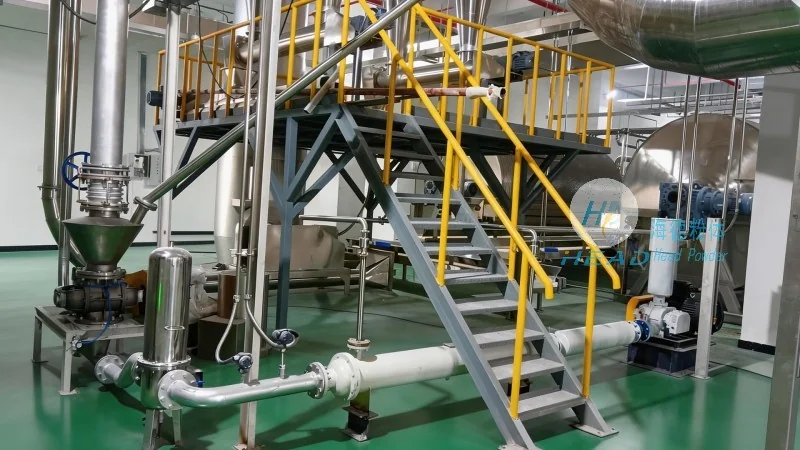
Structural Design Considerations
The structural design of a coal particle pneumatic conveying system is tailored to the specific characteristics of the coal being transported, including particle size distribution, moisture content, and abrasiveness. The hopper and feeder are designed to minimize material buildup and ensure consistent feeding, which is critical for preventing blockages and maintaining system stability. The conveying line is typically made of durable materials like stainless steel or special alloys to withstand the abrasive nature of coal particles and the effects of moisture. The separator or filter is designed to efficiently separate the air from the material stream, often using cyclone separators or bag filters, which help maintain air quality and prevent dust emissions. The discharge unit is engineered to handle the material at the end of the line, ensuring smooth and controlled delivery to the final storage or processing location.
Advantages of Coal Particle Pneumatic Conveying
Coal particle pneumatic conveying systems offer several advantages over traditional mechanical conveying methods. These include reduced labor costs due to automated operation, lower maintenance requirements compared to belt or screw conveyors, and improved safety by minimizing direct human contact with the material. Additionally, the systems are highly flexible, allowing for changes in layout or transport routes without major modifications. The ability to control dust and prevent environmental contamination is another significant benefit, as the enclosed system prevents dust from escaping into the environment. These advantages make pneumatic conveying an attractive option for coal handling in various industrial applications.
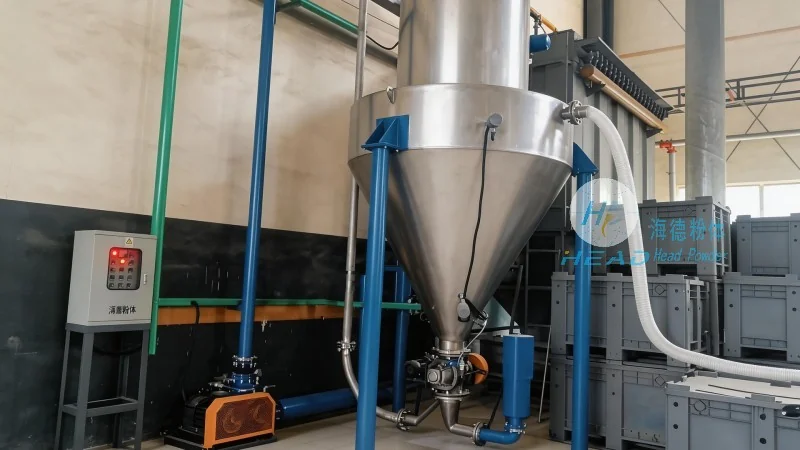
Applications in Coal Processing
Coal particle pneumatic conveying systems are widely used in coal processing facilities for transporting raw coal from storage to processing units, such as crushers or washers. They are also employed in power plants to deliver coal to boilers for combustion, ensuring a continuous and reliable supply of fuel. The systems are particularly useful in applications where long distances or complex layouts are involved, as they can transport coal over several hundred meters or more with minimal loss. Furthermore, the systems are adaptable to different coal types, including low-rank coals with higher moisture content, which can be challenging to handle with other conveying methods.
Maintenance and Operational Tips
Proper maintenance is essential to ensure the long-term performance and reliability of a coal particle pneumatic conveying system. Regular inspection of components such as the hopper, feeder, and conveying line is necessary to detect and address issues like material buildup or wear. The air filter and separator should be cleaned or replaced as needed to maintain efficient air flow and prevent dust accumulation. Monitoring the system's pressure and air flow rates can help identify potential problems early, allowing for timely adjustments or repairs. Additionally, ensuring proper sealing of all connections and joints is crucial to prevent air leaks, which can reduce system efficiency and increase energy consumption. By following these maintenance and operational tips, users can maximize the lifespan and efficiency of their coal particle pneumatic conveying systems.




