For coffee processing facilities, efficient and reliable material handling is crucial to maintaining production flow and product quality. Among the various technologies available, coffee bean pneumatic conveying systems have emerged as a preferred solution due to their ability to transport coffee beans with minimal damage and high efficiency. This article provides a detailed introduction to the structure and working principles of these systems, highlighting their key components and operational mechanisms.
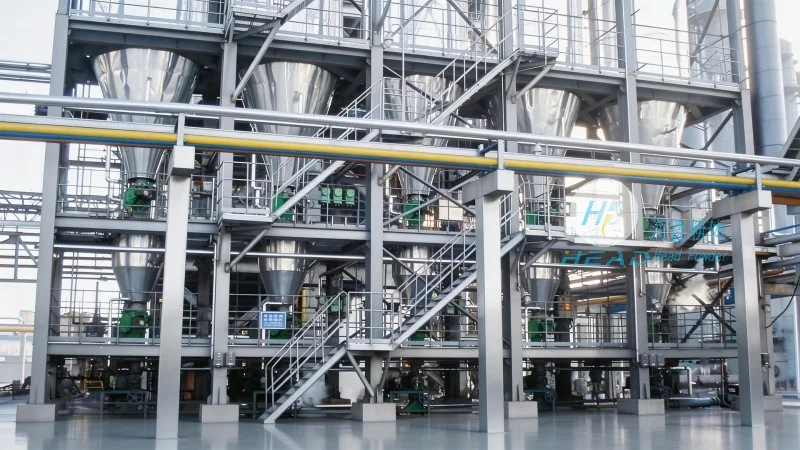
Key Components of Coffee Bean Pneumatic Conveying Systems
The core components of a coffee bean pneumatic conveying system are designed to work in tandem to ensure smooth material transport. The primary elements include the hopper, which serves as the initial storage and feeding point for the coffee beans. The hopper is typically equipped with a discharge valve or gate to control the flow of beans into the system. Adjacent to the hopper is the air compressor or blower, which generates the necessary air pressure to move the beans through the pipeline. The pipeline itself is a critical component, often made of durable materials such as stainless steel or food-grade plastic, to prevent contamination and ensure longevity. At the receiving end, the system includes a receiver or silo where the coffee beans are deposited after transport. Additionally, the system may incorporate filters and cyclones to separate any fine particles or moisture from the air, maintaining air quality and preventing system blockages.
Working Principles of Pneumatic Conveying in Coffee Processing
The operation of a coffee bean pneumatic conveying system is based on the principle of air movement to transport solid materials. There are two main types of pneumatic conveying systems: dilute-phase and dense-phase. Dilute-phase systems use low air velocity and high air-to-material ratios, making them suitable for short-distance transport and handling of relatively dry materials like coffee beans. In this system, the air compressor draws air from the environment and mixes it with the coffee beans in the hopper. The mixture is then forced through the pipeline to the receiving end, where the beans are separated from the air by a cyclone or filter. Dense-phase systems, on the other hand, use higher air velocity and lower air-to-material ratios, which are ideal for longer distances or when handling more delicate materials that require gentler transport. These systems operate by creating a slurry of coffee beans and air, which is then transported through the pipeline under higher pressure.
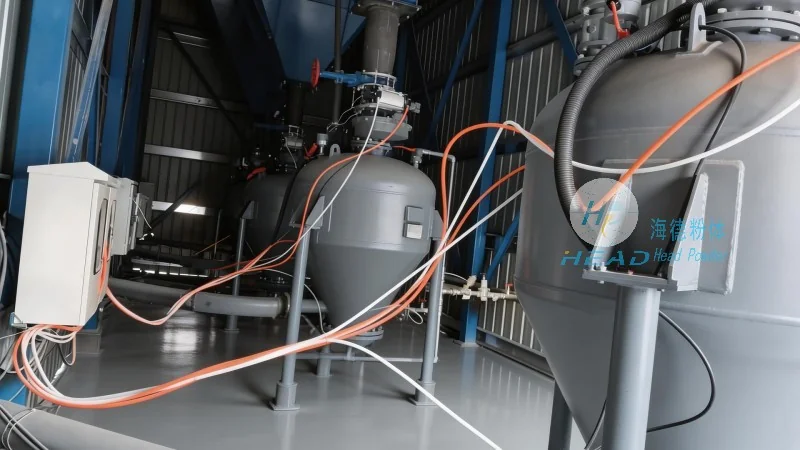
Advantages of Using Pneumatic Conveying for Coffee Beans
Implementing a coffee bean pneumatic conveying system offers several advantages over traditional mechanical conveying methods. First, it minimizes product damage by reducing friction and impact during transport, which is particularly important for delicate coffee beans that can be easily bruised or broken. Second, the system is highly flexible, allowing for changes in the layout of the processing facility without major modifications. This adaptability is beneficial for facilities that may expand or reconfigure their operations over time. Third, pneumatic conveying systems are more hygienic and easier to clean compared to mechanical systems, which is essential in food processing environments where sanitation is a top priority. Finally, these systems can be integrated with other processing equipment, such as roasters or grinders, to create a seamless production line, enhancing overall operational efficiency.
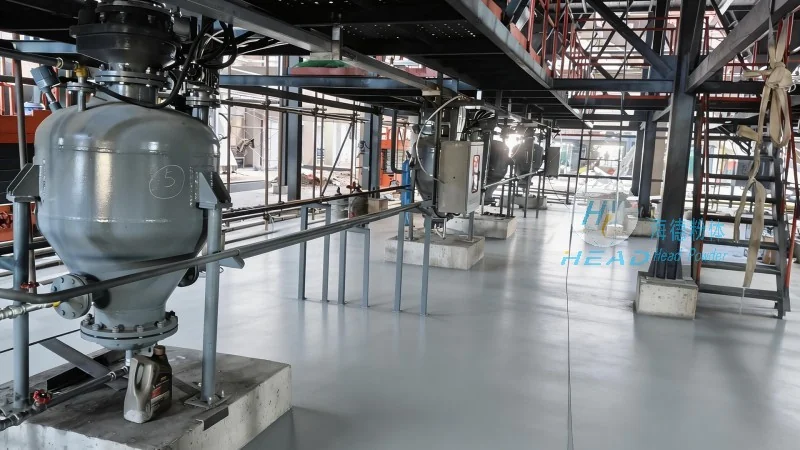
Applications in Coffee Processing Facilities
Coffee bean pneumatic conveying systems are widely used in various stages of coffee processing. In the raw material handling phase, they efficiently transport coffee beans from storage silos or trucks to the processing plant. During the roasting process, the system can move roasted beans from the roaster to the cooling and packaging areas. Additionally, in the post-roasting stage, pneumatic conveying is used to transport ground coffee or other coffee products to storage tanks or packaging lines. The versatility of these systems makes them suitable for both small-scale and large-scale coffee processing operations, ensuring consistent and reliable material transport throughout the entire production cycle.
About Shandong HeadPowder Engineering Co., Ltd.
Shandong HeadPowder Engineering Co., Ltd., commonly known as headpowder, is a leading manufacturer of pneumatic conveying systems and related equipment for the food and beverage industry. With a strong commitment to quality and innovation, the company specializes in designing and producing customized solutions tailored to the specific needs of coffee processing facilities. HeadPowder's products are engineered to meet the highest standards of hygiene, durability, and efficiency, ensuring that coffee beans are handled with care from the initial stage of processing to the final packaging. The company's headquarters is located in Shandong, China, where it leverages advanced manufacturing technologies and a team of experienced engineers to deliver reliable and cost-effective solutions to its global clients.




