Borax, a widely used industrial chemical, often requires efficient and reliable handling in bulk form. Pneumatic conveying systems have emerged as a preferred solution for transporting borax powder due to their ability to handle fine powders with minimal product degradation. Shandong HeadPowder Engineering Co., Ltd. specializes in the design and manufacturing of such equipment, ensuring optimal performance for borax powder transport. This article delves into the operation process and working principles of borax powder pneumatic conveying equipment, highlighting the key components, operational steps, and technical aspects that ensure efficient and safe material handling.
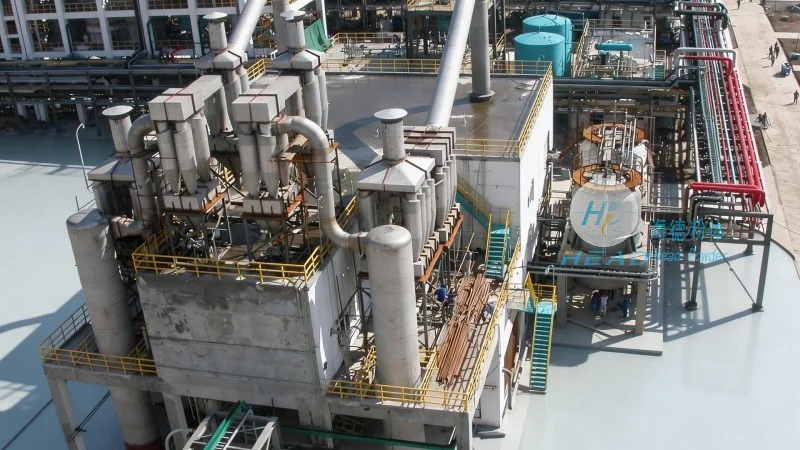
Key Components of the Borax Powder Pneumatic Conveying System
The borax powder pneumatic conveying system typically consists of several critical components that work in tandem to achieve effective material transport. These include the feed hopper or storage bin, which holds the borax powder and feeds it into the system; the air compressor or blower, which generates the necessary air pressure to move the powder; the conveying pipeline or duct, which transports the powder from the source to the destination; and the receiver or discharge hopper, where the powder is collected. Additional components such as filters, cyclones, and control valves may be integrated to enhance system efficiency, ensure air quality, and maintain operational safety.
Working Principle of the Borax Powder Pneumatic Conveying Equipment
The core working principle of the system is based on the use of compressed air to create a flow that entrains and transports the borax powder particles. When the air compressor operates, it generates a high-pressure air stream. This air is introduced into the conveying pipeline, creating a pressure differential that draws the borax powder from the feed hopper into the pipeline. The powder particles are suspended in the air stream and carried through the pipeline to the receiver. The velocity and pressure of the air are carefully controlled to ensure that the powder is transported without clogging the system or causing excessive wear on components. The system may operate in either dilute-phase or dense-phase mode, depending on the desired flow rate and powder characteristics.
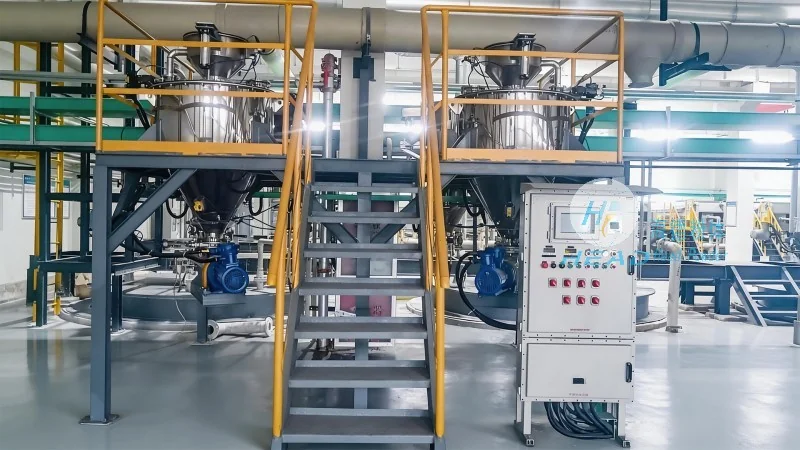
Operation Process of the Borax Powder Pneumatic Conveying Equipment
The operation process of the borax powder pneumatic conveying equipment involves several sequential steps. First, the borax powder is loaded into the feed hopper, ensuring a consistent and sufficient supply. The air compressor is then started, and the system is pressurized to the required level. The feed mechanism, such as a rotary valve or screw feeder, begins to discharge the powder into the conveying pipeline. As the air stream moves through the pipeline, it carries the powder particles to the receiver, where the powder is deposited. The system may include a filter or cyclone to separate any fine particles from the air before it is released back into the environment or recirculated. Control systems monitor the pressure, flow rate, and other parameters to maintain optimal operation and prevent issues such as blockages or overpressure. The entire process is designed to be automated, reducing the need for manual intervention and enhancing operational efficiency.
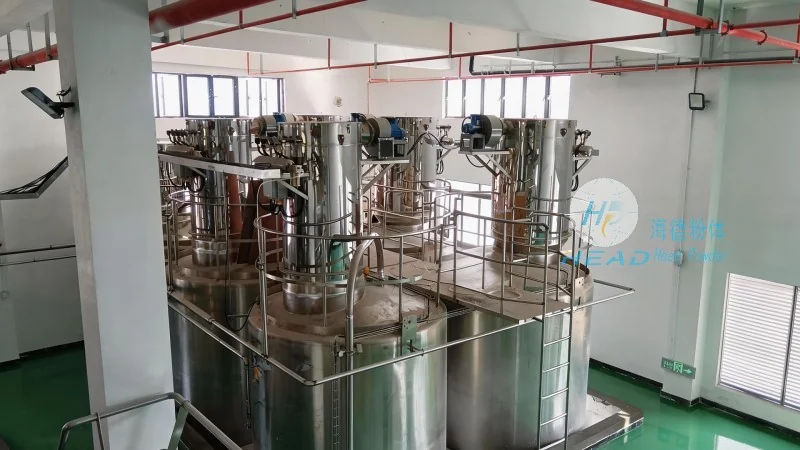
Advantages of Using Borax Powder Pneumatic Conveying Equipment
Implementing a pneumatic conveying system for borax powder offers several advantages over traditional methods like belt conveyors or bucket elevators. These include reduced product contamination due to enclosed systems, lower maintenance requirements as there are fewer moving parts in contact with the powder, and the ability to handle fine or cohesive powders without the risk of bridging or caking. Additionally, pneumatic conveying systems can be designed for both dilute-phase and dense-phase transport, allowing for flexibility in handling different types of borax powders and varying production rates. The enclosed nature of the system also helps in controlling dust emissions, making it more environmentally friendly compared to open systems.
Applications and Industries Utilizing Borax Powder Pneumatic Conveying
Borax powder pneumatic conveying equipment is widely used in various industries that rely on borax as a raw material. These include the glass manufacturing industry, where borax is used as a flux to lower the melting point of glass; the detergent and cleaning product industry, where it serves as a water softener and cleaning agent; and the chemical and pharmaceutical sectors, where it is used in the production of various compounds, including flame retardants and preservatives. The equipment is also employed in mining and mineral processing operations for the handling of borax ore and its derivatives. The ability to transport borax powder efficiently and safely makes it an essential component in these industrial processes, contributing to higher productivity and lower operational costs.




