For industrial applications involving the handling of polyethylene materials, efficient and reliable material transport is crucial. Pneumatic conveying systems offer a solution that combines flexibility, safety, and efficiency in material transfer. This article provides an overview of polyethylene pneumatic conveying systems, detailing their structural components and operational principles.
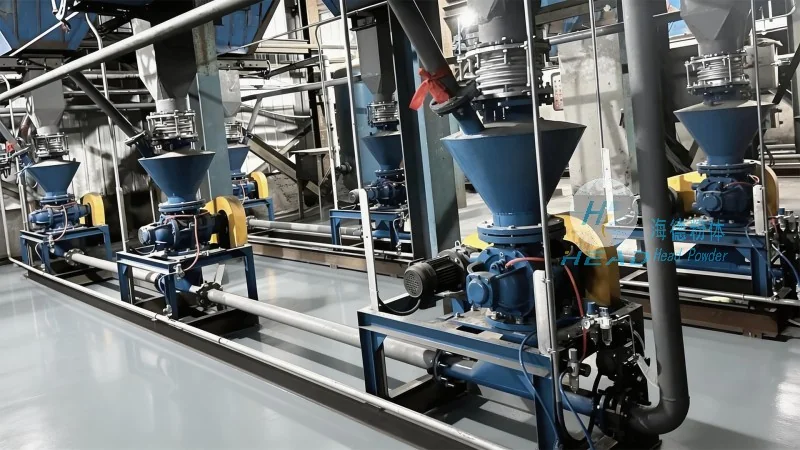
Overview of Polyethylene Pneumatic Conveying Systems
Polyethylene, a widely used thermoplastic polymer, is often handled in bulk quantities across various industries such as plastics manufacturing, packaging, and chemical processing. Traditional methods like belt conveyors or bucket elevators may not always be suitable for polyethylene due to its lightweight, dusty nature and potential for static buildup. Pneumatic conveying systems provide an alternative that minimizes material degradation, reduces labor costs, and enhances process safety.
Key Structural Components of Pneumatic Conveying Systems
The design of a polyethylene pneumatic conveying system typically includes several core components that work in tandem to ensure smooth material transport. These components are engineered to handle the specific properties of polyethylene, such as its low density and tendency to generate static electricity. The main structural elements include:
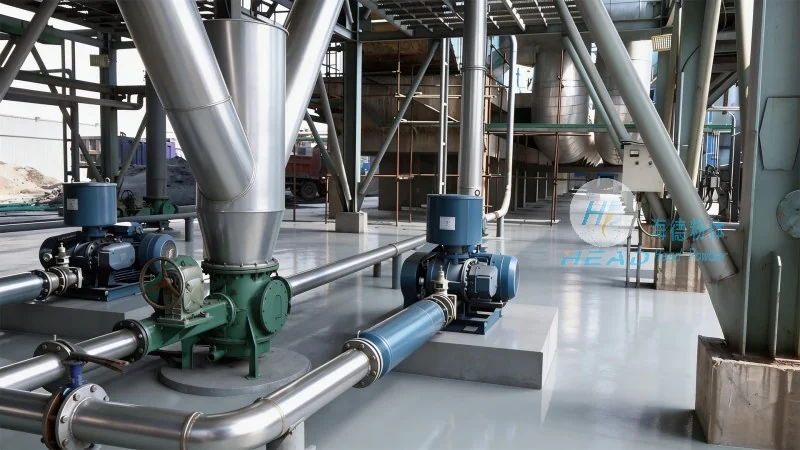
- Feeder Unit: This component is responsible for introducing polyethylene material into the conveying system. It may include a hopper, a rotary valve, or a vacuum feeder to control the flow rate and prevent material blockages. The feeder is designed to handle polyethylene's free-flowing characteristics while maintaining consistent material feed.
- Pneumatic Conveying Pipe: The pipe network is the backbone of the system, transporting polyethylene particles using compressed air. The pipe material is often selected for its resistance to polyethylene's chemical properties and its ability to prevent static accumulation. The pipe diameter and length are optimized based on the material's flow characteristics and the required transport distance.
- Compressor and Air Treatment System: A compressor generates the necessary pressure to move polyethylene particles through the system. The air treatment system, including filters and dryers, ensures that the air is clean and dry, preventing contamination of the polyethylene and reducing equipment wear. This component is critical for maintaining the system's efficiency and longevity.
- Separation and Collection Unit: At the end of the conveying line, the polyethylene is separated from the air stream. This unit may include a cyclone separator, a bag filter, or a rotary valve to collect the material. The design of this component is crucial for preventing material loss and ensuring complete collection of polyethylene particles.
- Control and Monitoring System: Modern pneumatic conveying systems are equipped with control panels and sensors to monitor pressure, flow rate, and material levels. This system allows for real-time adjustments to optimize performance and prevent system failures. The control unit may also include safety features to shut down the system in case of abnormal conditions.
Working Principles of Pneumatic Conveying for Polyethylene
The operational principle of a polyethylene pneumatic conveying system involves the use of compressed air to transport material particles. There are two primary modes of operation: pressure and vacuum systems.
In a pressure system, compressed air is introduced at the feeder end of the pipe, creating a positive pressure that pushes polyethylene particles through the system. The air velocity is maintained above the material's terminal velocity to ensure that particles remain suspended and are transported efficiently. The pressure system is suitable for short to medium distance transport and is often used in applications where the material needs to be conveyed from a hopper to a processing unit.
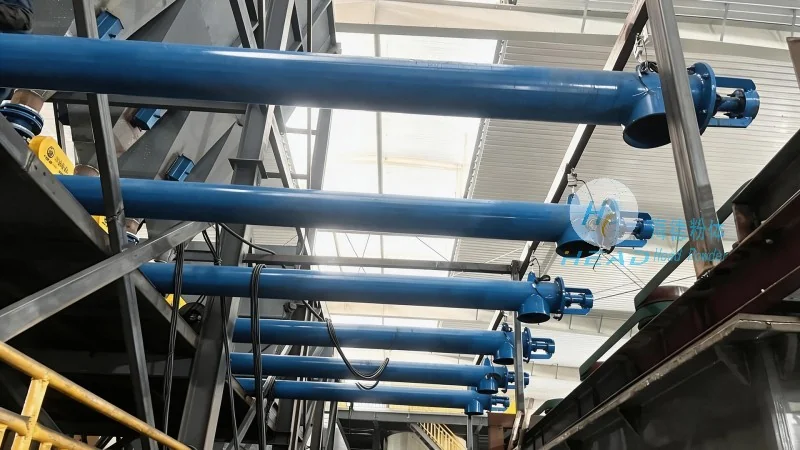
In a vacuum system, a vacuum is created at the discharge end of the pipe, drawing polyethylene particles from the source into the system. The vacuum is generated by a vacuum pump, and the air flow is directed back to the compressor for recycling. Vacuum systems are ideal for long-distance transport and for handling materials that are difficult to feed, such as powders or fine particles. The vacuum system's ability to create a negative pressure ensures that polyethylene particles are drawn into the pipe without the need for mechanical feeding at the source.
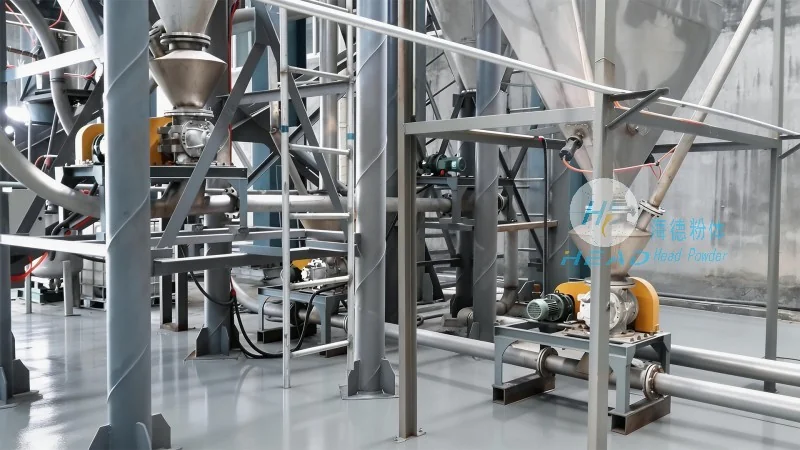
Advantages of Using Pneumatic Conveying for Polyethylene
Implementing a pneumatic conveying system for polyethylene offers several advantages over traditional material handling methods. These benefits include:
- Reduced Material Degradation: Pneumatic conveying minimizes mechanical stress on polyethylene particles, preventing breakage and reducing the risk of dust generation. This is particularly important for high-value polyethylene products where material integrity is critical.
- Improved Process Safety: By eliminating the need for manual handling of polyethylene powders or pellets, the system reduces the risk of dust explosions and worker exposure to hazardous materials. The enclosed system also prevents contamination from external sources.
- Enhanced Efficiency and Cost Savings: Pneumatic conveying systems can handle large volumes of polyethylene at high speeds, reducing labor costs and increasing production throughput. The automated control system also minimizes downtime and maintenance requirements.
- Flexibility in Layout: The modular design of pneumatic conveying systems allows for easy integration into existing production lines or new facility layouts. The pipe network can be reconfigured to accommodate changes in production requirements or to expand the system's capacity.
- Environmental Benefits: By containing polyethylene particles within the system, the pneumatic conveying process reduces airborne dust and minimizes environmental impact. The system also reduces the need for additional cleaning or dust control measures, contributing to a cleaner working environment.
About Shandong HeadPowder Engineering Co., Ltd.
Shandong HeadPowder Engineering Co., Ltd., operating under the brand name headpowder, is a leading manufacturer and supplier of industrial material handling solutions. With a focus on innovation and customer satisfaction, the company specializes in designing and manufacturing pneumatic conveying systems tailored to the specific needs of polyethylene and other plastic materials. Headpowder's expertise in material science and engineering ensures that their products are reliable, efficient, and compliant with industry standards.




