Introduction to Catalyst Powder Pneumatic Conveying: Structure and Working Principles
Release time:2026-09-21 18:01:43
name of the company:Shandong Headpowder Engineering Co., Ltd.
telephone:156-6277-7102
contacts:Zhang manager
HeadPowder, a leading enterprise in the field of powder handling technology, specializes in the design, manufacturing, and application of advanced pneumatic conveying systems for catalyst powders. This article provides an overview of the catalyst powder pneumatic conveying system, focusing on its structural components and operational principles to help users understand the technology's core mechanisms.
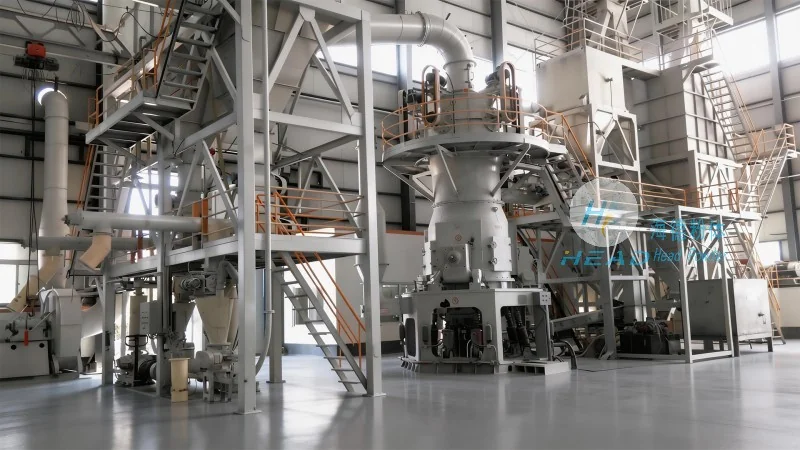
Overview of Catalyst Powder Pneumatic Conveying Systems
HeadPowder's catalyst powder pneumatic conveying systems are engineered to efficiently transport fine catalyst powders over long distances with minimal loss and high reliability. The system operates by using compressed air or other gases to create a flow that moves the powder through a pipeline network. This method is particularly suitable for catalyst powders due to their high reactivity and sensitivity to moisture or contamination.
Key Structural Components of the Pneumatic Conveying System
The catalyst powder pneumatic conveying system from Shandong HeadPowder Engineering Co., Ltd. comprises several critical components that work in concert to ensure smooth and efficient operation. These components include:
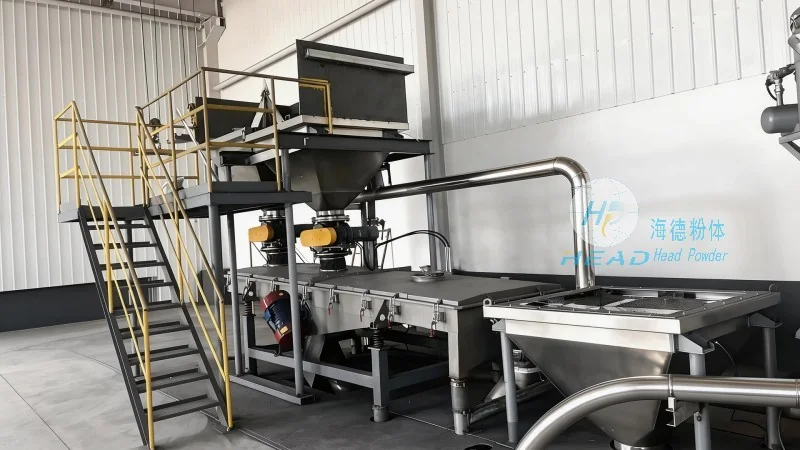
- Feeding Unit: This component is responsible for accurately and uniformly feeding the catalyst powder into the conveying line. It often features a rotary valve or a metering device to control the flow rate, preventing overloading or underfeeding that could affect system performance.
- Conveying Pipeline: The pipeline is typically made of materials resistant to corrosion and wear, such as stainless steel or special plastic composites, to ensure durability and maintain the purity of the catalyst powder. The pipeline design includes bends and elbows that are carefully engineered to minimize pressure drop and prevent powder deposition.
- Pressure Control System: This system regulates the air pressure within the pipeline, ensuring consistent flow rates and preventing excessive pressure that could lead to powder degradation or equipment damage. It includes pressure regulators, filters, and safety valves to maintain optimal operating conditions.
- Separation and Discharge Unit: At the receiving end, the system uses a cyclone separator or a bag filter to separate the catalyst powder from the air stream. The separated powder is then discharged into a storage bin or a processing vessel. This unit is designed to capture high-efficiency powder recovery, minimizing waste and ensuring product quality.
Working Principles of the Pneumatic Conveying Process
The operation of the catalyst powder pneumatic conveying system follows a simple yet effective principle: the catalyst powder is suspended in a high-velocity air stream and transported through the pipeline. The key steps in the process are as follows:
- Powder Loading: The catalyst powder is loaded into the feeding unit, where it is metered and introduced into the pipeline.
- Air Injection: Compressed air is introduced into the pipeline, creating a high-velocity flow that lifts and transports the powder particles. The air velocity is maintained above the minimum fluidization velocity to ensure the powder remains suspended.
- Pipeline Transport: The mixture of powder and air travels through the conveying pipeline, with the air providing the necessary kinetic energy to move the powder. The pipeline design minimizes pressure drop by using smooth surfaces and appropriate bend radii.
- Separation and Discharge: At the destination, the air and powder mixture enters the separation unit. The centrifugal force in the cyclone or the filtration media separates the powder from the air. The clean air is discharged to the atmosphere, while the catalyst powder is collected and transferred to the next processing stage.
Advantages of Using Pneumatic Conveying for Catalyst Powders
HeadPowder's catalyst powder pneumatic conveying systems offer several advantages over traditional bulk handling methods. These include:
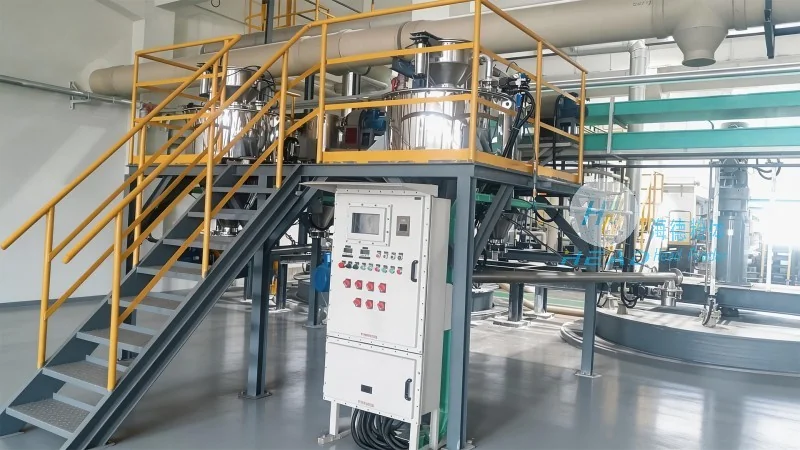
- Efficient and Continuous Operation: The system allows for continuous, unattended operation, reducing labor costs and improving production efficiency.
- Low Product Loss and Contamination: The enclosed pipeline design minimizes exposure to external contaminants and reduces product loss during transport.
- Flexible and Scalable: The system can be easily scaled to accommodate varying production volumes and can be integrated with existing processing lines.
- Energy Efficiency: By optimizing air pressure and flow rates, the system minimizes energy consumption while maintaining high conveying efficiency.
Application Scenarios and Industry Use Cases
The catalyst powder pneumatic conveying systems from Shandong HeadPowder Engineering Co., Ltd. are widely used in various industrial applications, particularly in the chemical and petrochemical sectors. Common applications include:
- Catalyst Production and Handling: Transporting catalyst powders between production lines, storage silos, and reactors.
- Reactor Charging and Discharging: Efficiently charging catalysts into reactors and discharging spent catalysts for regeneration or disposal.
- Batch Processing: Handling catalyst powders in batch processes where precise control over flow rates is critical.
- Quality Control and Sampling: Ensuring consistent quality by transporting catalyst powders to sampling and analysis stations.
Conclusion and Company Profile
HeadPowder, with its headquarters in Shandong, China, is a reputable manufacturer specializing in advanced powder handling solutions. The company's catalyst powder pneumatic conveying systems are designed to meet the demanding requirements of modern industrial processes, providing reliable, efficient, and cost-effective transportation of catalyst powders. By leveraging years of experience and continuous innovation, HeadPowder ensures that its systems deliver optimal performance and contribute to the overall productivity and quality of its clients' operations.




