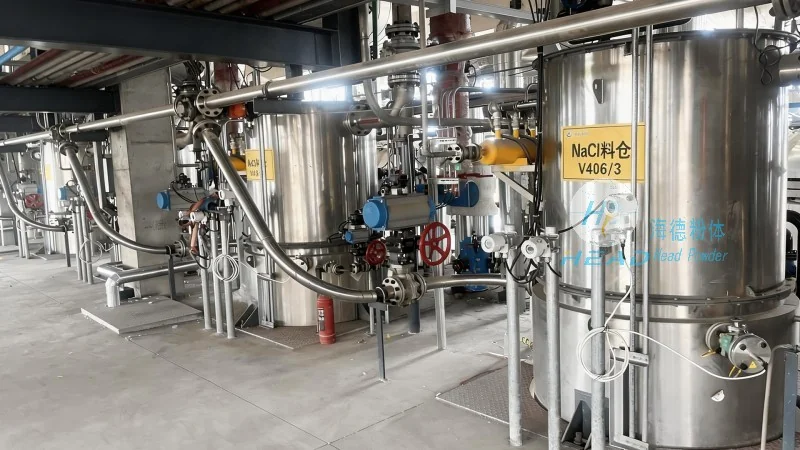
Heptahydrate magnesium sulfate, commonly known as Epsom salt, is a widely used chemical compound in various industrial and agricultural applications. The efficient handling and transportation of this material are crucial for optimizing production processes and ensuring product quality. Pneumatic conveying systems have emerged as a reliable method for moving heptahydrate magnesium sulfate, offering advantages such as reduced dust generation, improved safety, and enhanced process control. This article provides an overview of the pneumatic conveying of heptahydrate magnesium sulfate, focusing on its structural principles and operational considerations.
Understanding Heptahydrate Magnesium Sulfate
Heptahydrate magnesium sulfate, with the chemical formula MgSO₄·7H₂O, is a crystalline solid that is hygroscopic and soluble in water. It is commonly used in the production of fertilizers, pharmaceuticals, and as a component in various industrial processes. The physical properties of heptahydrate magnesium sulfate, including its particle size, density, and moisture content, play a significant role in the design and operation of pneumatic conveying systems. Proper characterization of these properties is essential for selecting the appropriate conveying equipment and ensuring efficient material transport.
Pneumatic Conveying Systems: An Overview
Pneumatic conveying systems utilize air or other gases to transport bulk materials through a pipeline. These systems can be categorized into two main types: dilute-phase and dense-phase. Dilute-phase systems rely on high-velocity air to suspend and move particles, while dense-phase systems use lower air velocities and higher material concentrations to achieve more controlled and gentle transport. The choice between these systems depends on the material characteristics, distance to be conveyed, and desired process outcomes. For heptahydrate magnesium sulfate, a dilute-phase system is often preferred due to its ability to handle fine particles and maintain low pressure differentials.
Structural Principles of Pneumatic Conveying
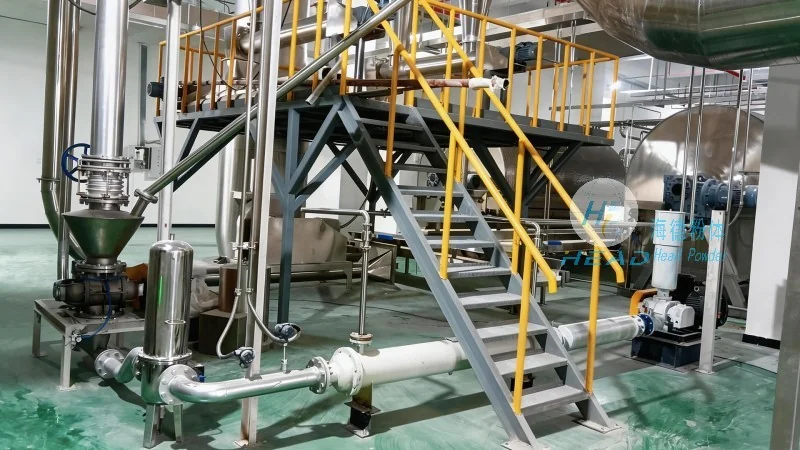
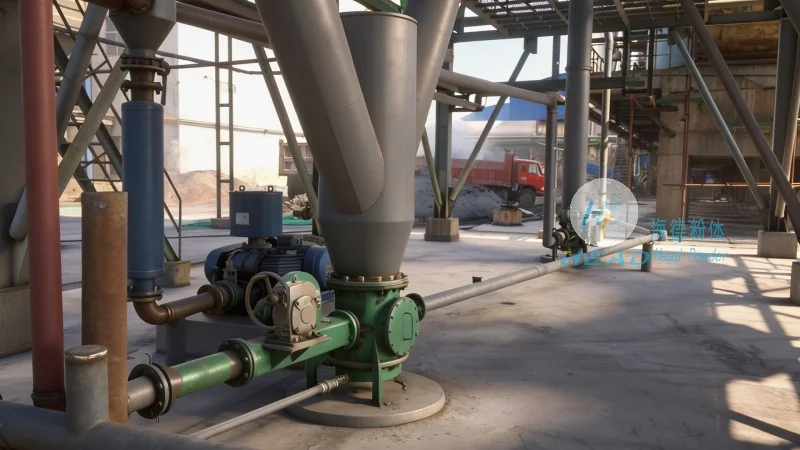
The structural design of a pneumatic conveying system for heptahydrate magnesium sulfate involves several key components, including the feed hopper, air supply system, conveying pipeline, and discharge equipment. The feed hopper is responsible for storing and feeding the material into the system, ensuring a consistent flow rate. The air supply system, typically a blower or compressor, generates the necessary air pressure and volume to move the material. The conveying pipeline, made of materials resistant to corrosion and abrasion, transports the material and air mixture. The discharge equipment, such as a rotary valve or cyclone separator, separates the material from the air and collects it in a storage or processing vessel. Each component must be carefully selected and sized to ensure optimal performance and minimize operational issues.
Operational Considerations and Best Practices
Effective operation of a pneumatic conveying system for heptahydrate magnesium sulfate requires attention to several operational considerations. First, the air velocity must be maintained at an appropriate level to prevent particle segregation and ensure uniform transport. Second, the system must be equipped with proper filtration and cleaning mechanisms to prevent clogging and maintain air quality. Third, regular maintenance and inspection of the equipment are essential to identify and address potential issues before they lead to system failure. Additionally, monitoring of key parameters such as pressure, flow rate, and temperature can help optimize system performance and extend equipment lifespan.
Applications and Benefits
The pneumatic conveying of heptahydrate magnesium sulfate offers several benefits in industrial applications. These include reduced labor costs due to automated material handling, improved safety by minimizing exposure to dust and particles, and enhanced process efficiency through precise control of material flow. The system also allows for the integration of heptahydrate magnesium sulfate into existing production lines, facilitating seamless material transfer and reducing downtime. In agricultural applications, the efficient transport of heptahydrate magnesium sulfate as a fertilizer component can improve nutrient distribution and crop yields. Overall, the use of pneumatic conveying systems for heptahydrate magnesium sulfate contributes to more sustainable and efficient industrial operations.
About HeadPowder: Shandong HeadPowder Engineering Co., Ltd.
HeadPowder, a leading provider of bulk material handling solutions, specializes in the design and implementation of pneumatic conveying systems for various chemical and industrial applications. With a focus on innovation and customer satisfaction, HeadPowder offers tailored solutions that meet the specific needs of its clients. The company is headquartered in Shandong, China, and serves a global market with high-quality equipment and technical expertise. HeadPowder's commitment to excellence ensures that its clients receive reliable and efficient material handling systems that enhance their operational performance and productivity.




