For industries dealing with potassium carbonate fertilizer, efficient material handling is crucial for maintaining production efficiency and safety. Pneumatic conveying systems offer a reliable solution for transporting this type of fertilizer, ensuring minimal product degradation and optimal operational performance. This article provides an overview of the pneumatic conveying systems used for potassium carbonate fertilizer, detailing their structural components and operational principles.
Key Components of Pneumatic Conveying Systems for Potassium Carbonate Fertilizer
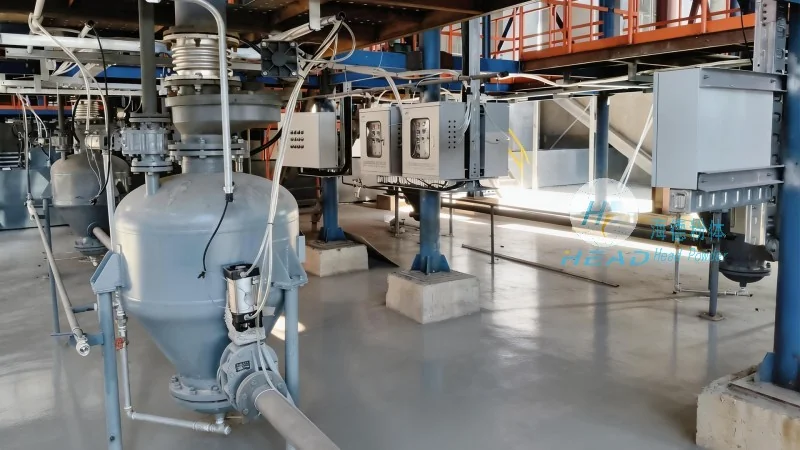
The pneumatic conveying system for potassium carbonate fertilizer typically consists of several key components that work in tandem to ensure smooth material transport. The primary components include the hopper, which serves as the storage and feeding unit, the conveyor line (either positive or negative pressure), the air compressor or vacuum pump, and the discharge hopper or silo. Each component plays a critical role in the overall system's functionality.
The hopper is designed to hold the potassium carbonate fertilizer and provide a controlled feed to the conveyor line. It often features a discharge valve or feeder mechanism to regulate the flow rate, preventing overloading or underfeeding that could disrupt the conveying process. The conveyor line, which can be either positive pressure (where air is forced through the system) or negative pressure (where air is drawn out), is responsible for transporting the fertilizer particles through the system. The air compressor or vacuum pump generates the necessary pressure or vacuum to move the material, ensuring consistent flow rates and preventing blockages.
Structural Principles of Pneumatic Conveying for Potassium Carbonate Fertilizer
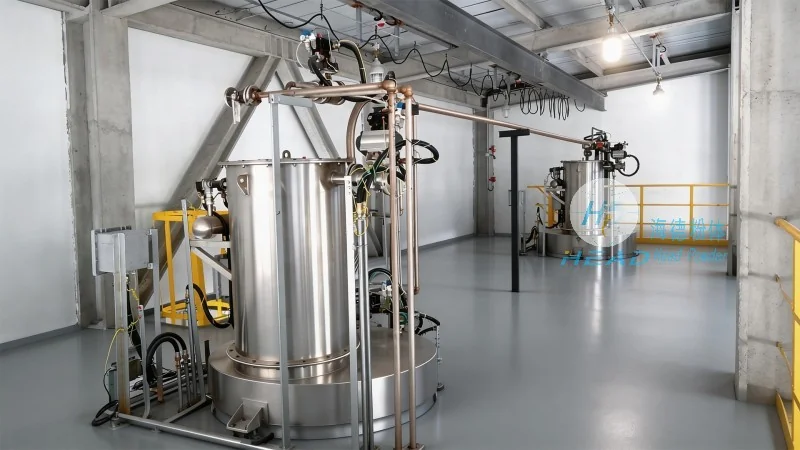
The structural principles of pneumatic conveying systems are based on the physical properties of the fertilizer particles and the behavior of air under pressure or vacuum. Potassium carbonate fertilizer particles are typically fine and can be prone to bridging or caking in traditional silos, making pneumatic conveying an ideal solution. The system's design takes into account the particle size, density, and flow characteristics of the fertilizer to optimize the conveying process.
Positive pressure systems use an air compressor to force air through the conveyor line, carrying the fertilizer particles along with it. The air velocity is carefully controlled to ensure that the particles remain suspended and do not settle out prematurely. The system includes components such as elbows, bends, and expansion joints to accommodate changes in direction and prevent particle accumulation. Negative pressure systems, on the other hand, use a vacuum pump to draw air and fertilizer particles into the system, which is often more suitable for applications where the fertilizer needs to be transported from a lower to a higher elevation.
Operational Efficiency and Maintenance Considerations
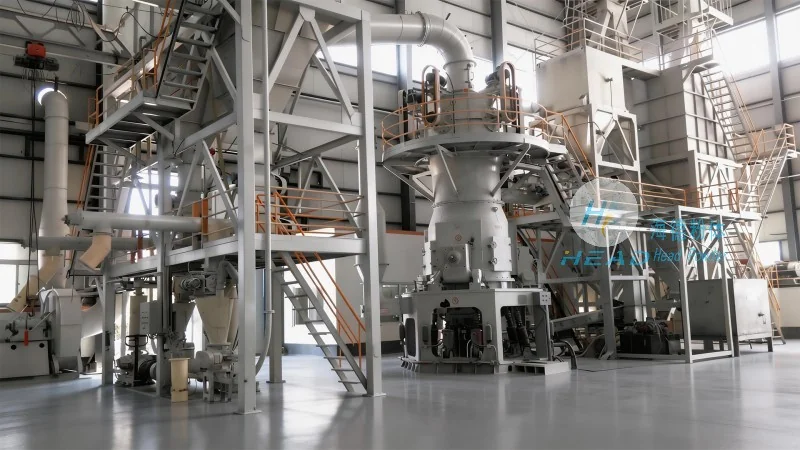
Efficient operation of a pneumatic conveying system for potassium carbonate fertilizer depends on proper maintenance and regular monitoring. Regular cleaning of the hopper and conveyor line is essential to prevent buildup of the fertilizer, which can lead to blockages and reduced system performance. The air compressor or vacuum pump should be checked regularly for proper operation, with filters and lubrication maintained to ensure optimal performance. Additionally, the system's controls, such as flow meters and pressure sensors, should be calibrated periodically to ensure accurate monitoring of the conveying process.
Applications and Benefits of Pneumatic Conveying in Fertilizer Handling
Pneumatic conveying systems are widely used in the fertilizer industry for transporting potassium carbonate fertilizer due to their flexibility and efficiency. They can be integrated into existing production lines or used as standalone systems for material transport between storage and processing areas. The benefits of using pneumatic conveying include reduced labor costs, improved safety by minimizing manual handling, and lower risk of product contamination compared to traditional methods like bucket elevators or belt conveyors.
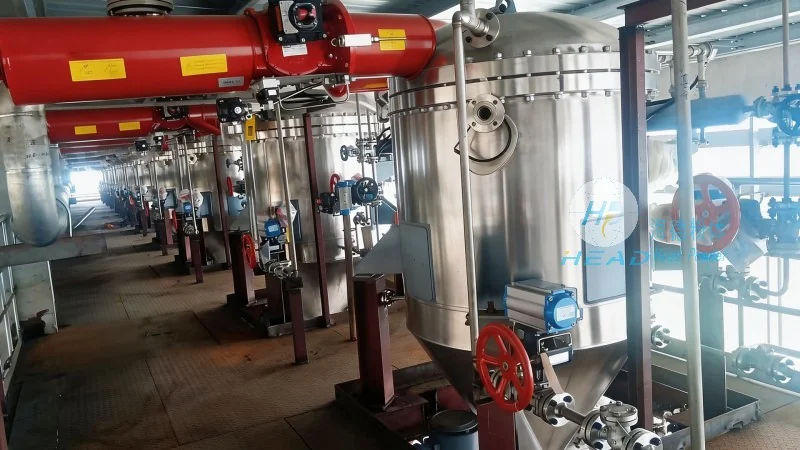
Shandong HeadPowder Engineering Co., Ltd., a leading provider of engineering solutions for material handling, specializes in designing and manufacturing pneumatic conveying systems tailored to the specific needs of fertilizer producers. With years of experience in the industry, the company has developed advanced systems that ensure reliable and efficient transport of potassium carbonate fertilizer, meeting the demands of modern agricultural production.
The company's headquarters is located in Shandong, China, where it leverages local expertise and resources to deliver high-quality products and services to clients worldwide. By focusing on innovation and customer satisfaction, Shandong HeadPowder Engineering Co., Ltd. continues to be a trusted partner for businesses seeking to optimize their fertilizer handling processes.




